
Last updated November 16, 2026
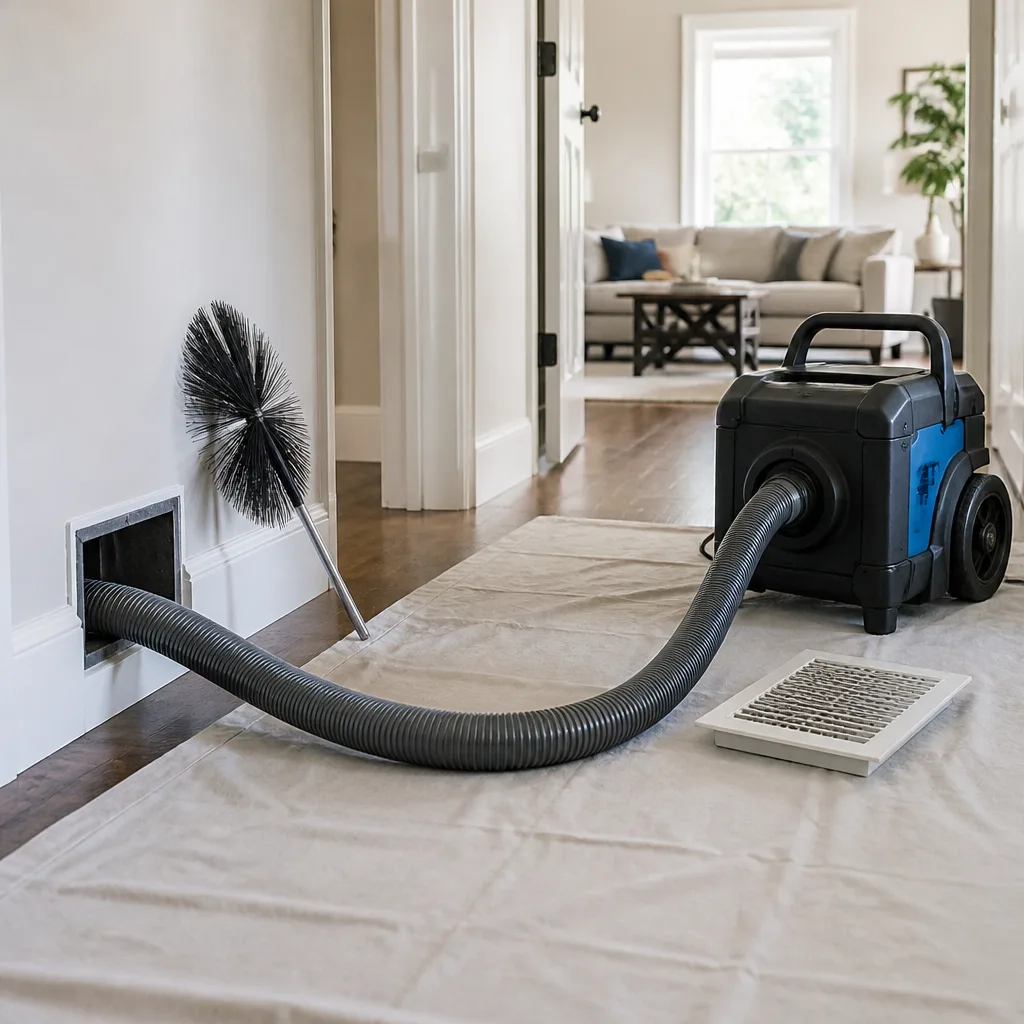 Whole-home duct cleaning
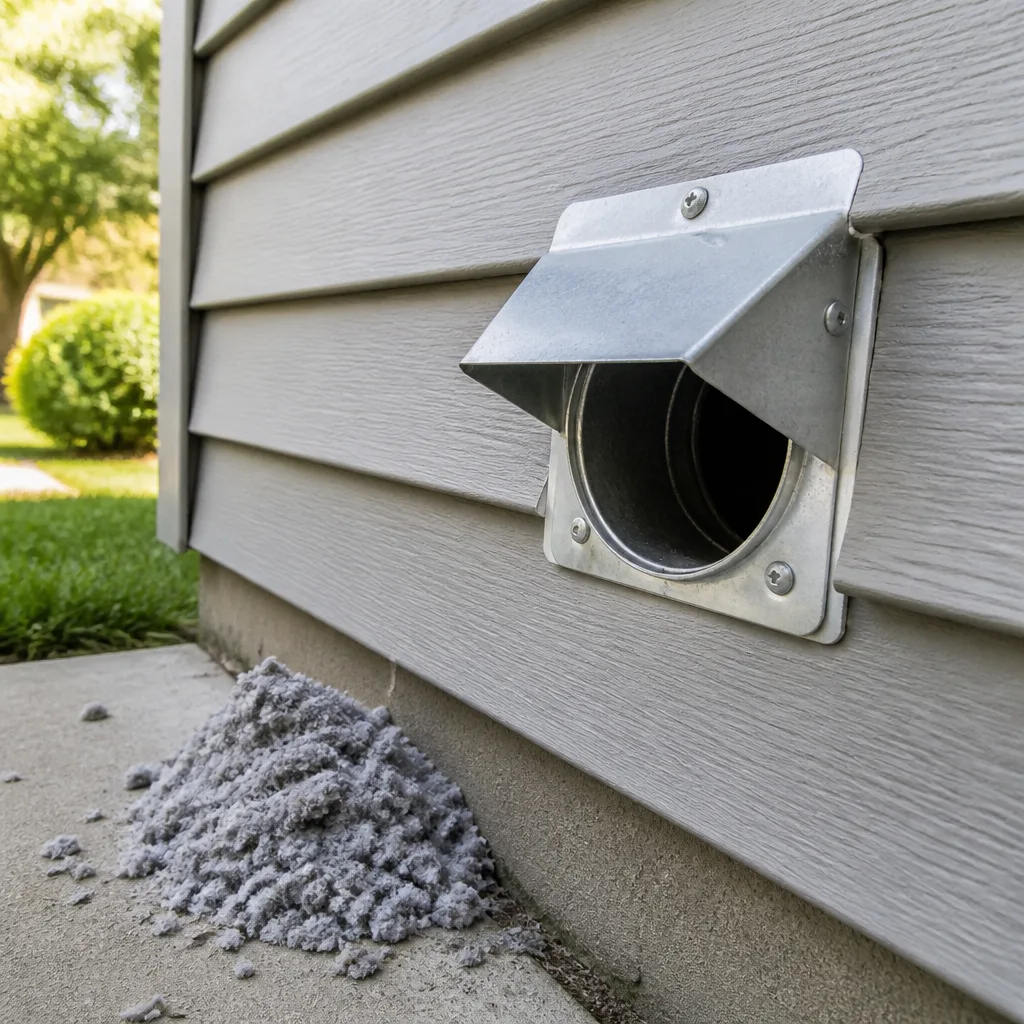 Dryer vent cleaning
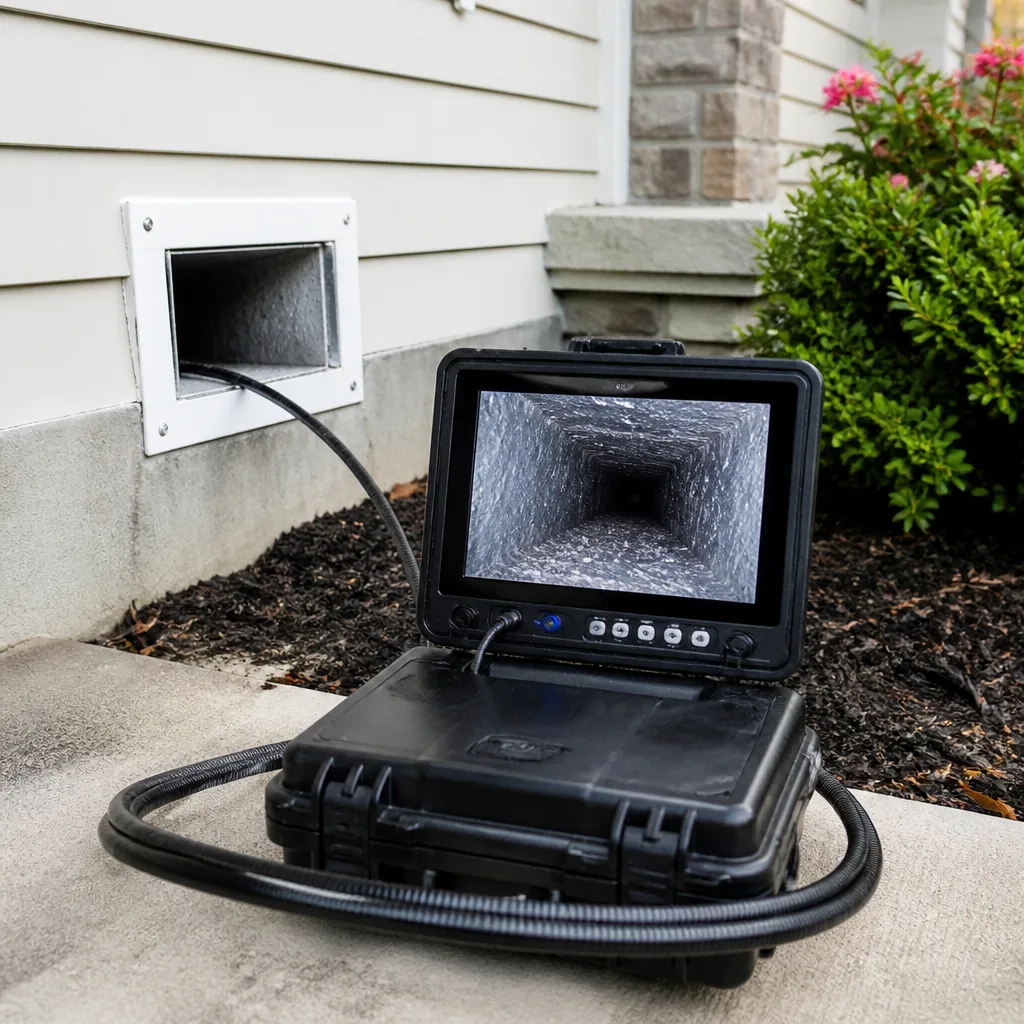 Camera inspection
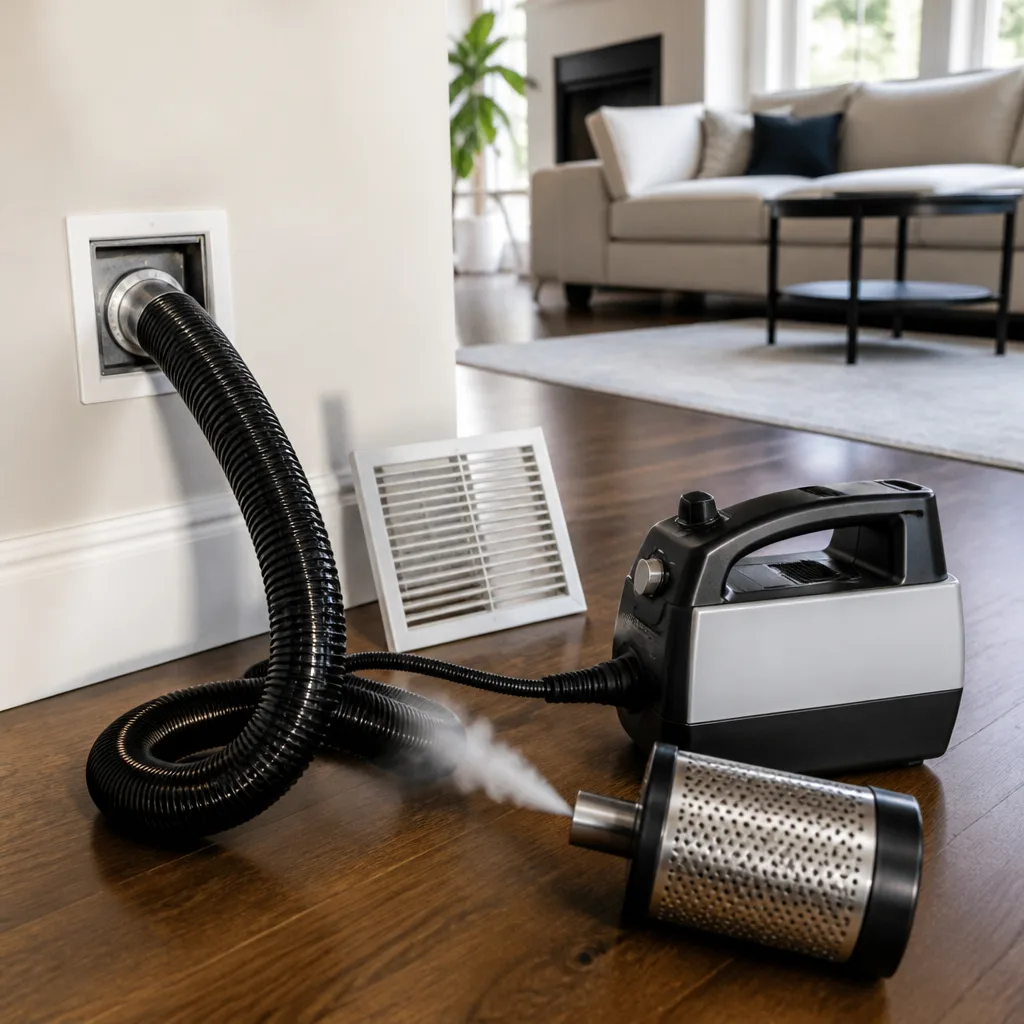 Sanitizing & deodorizing
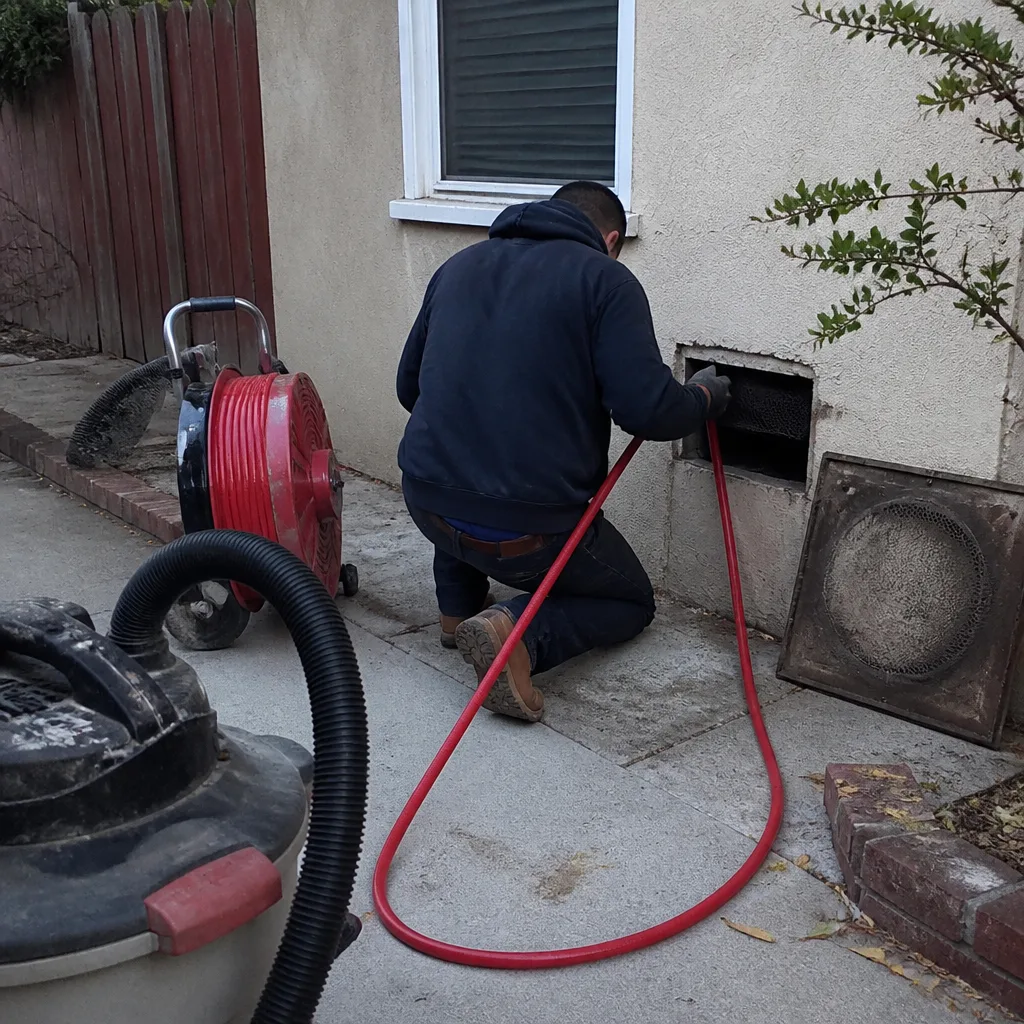
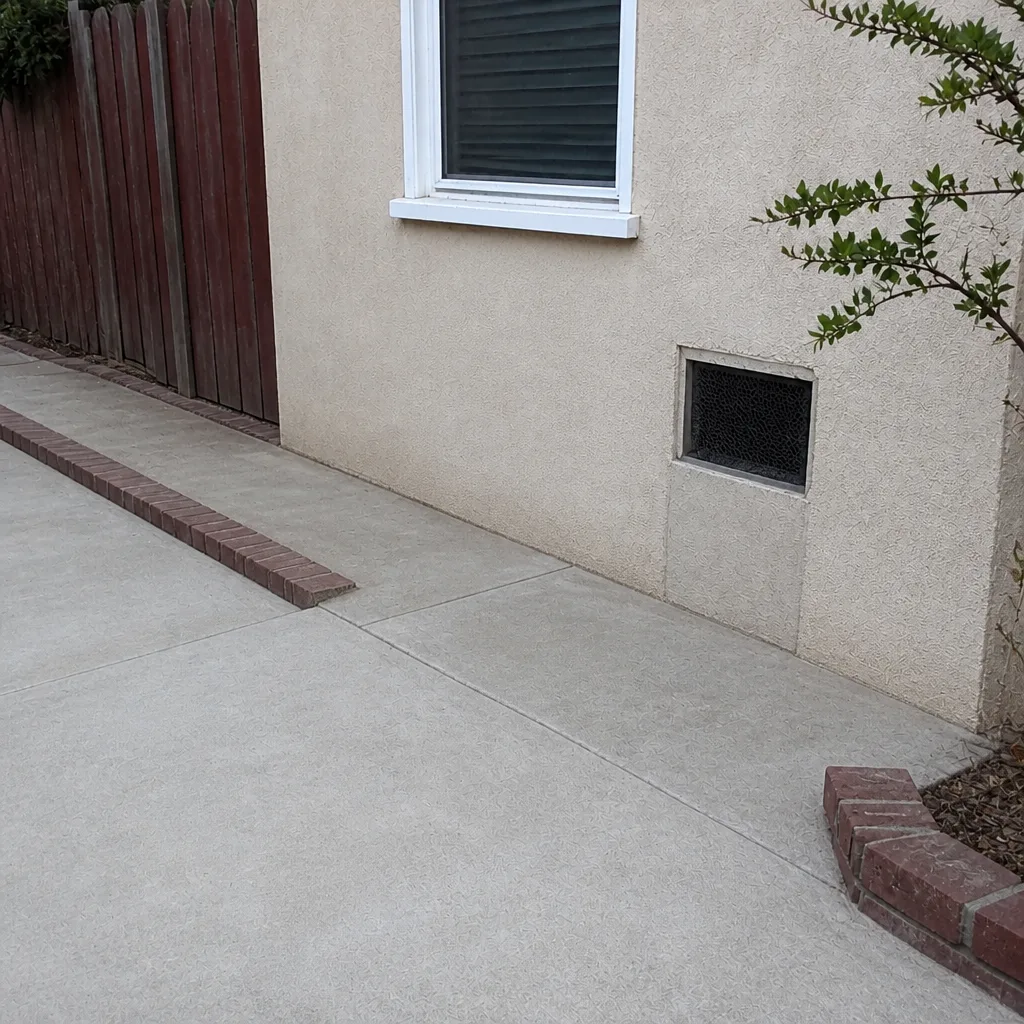
Whole-system duct and dryer vent check with before-and-after photos - you see exactly what came out of your vents
That "$99 whole-house special" is a bait ad - the real number appears once they are in your hallway, or the "clean" is a shop-vac at the register. We photograph the inside of your ducts before and after instead.
Seasonal Air Duct Cleaning Care for Stockton: Year-Round Homeowner’s Guide
Most homeowners treat duct cleaning as a single event on a vague multi-year clock. In Stockton, that approach misses the point. This valley moves through four distinct stress periods for ductwork, and each one leaves a different kind of debris and moisture behind. The tule fog that settles over the valley in winter doesn’t just cut visibility to near zero. It holds ambient humidity in the 85 to 95 percent range for weeks, and that is exactly the moisture window where microbial growth takes hold inside flex duct liner. Fall brings harvest dust and crop residue. Spring loads return ducts with pollen. Summer pushes system runtime and static pressure to their annual peak. Read on to learn how to time cleaning and inspection to each window instead of reacting to last season’s problem.
Quick Answer
Seasonal air duct cleaning in Stockton works best as a two-year cycle built around four inspection points rather than a generic three-to-five-year interval: a post-harvest check in fall before heating season, a moisture inspection in winter after fog season, a filter and return-duct review in spring during bloom, and a static pressure check in summer before peak cooling load. Clean when the inspection shows accumulation, not on a calendar alone.
Styles & brands we work with
- Whole-home duct cleaning
- Dryer vent cleaning
- Camera inspection
- Sanitizing & deodorizing
Table of Contents
- Why Stockton Has Four Duct Seasons, Not Two
- Fall (September-November): Harvest Dust and the Pre-Heating Inspection
- Winter (December-February): Tule Fog, Humidity, and What a Borescope Finds
- Spring (March-May): Pollen Loading in Return Ducts
- Summer (June-August): Runtime, Static Pressure, and the Cost of a Clogged Supply
- Building a Two-Year Professional Cleaning Cycle
- What Professional Equipment Actually Changes
- Common Mistakes to Avoid
Why Stockton Has Four Duct Seasons, Not Two
Most duct cleaning advice is written for a two-season climate: hot and cold. Stockton doesn’t work that way. The San Joaquin Valley sits in a bowl, and the air that settles into it carries whatever the surrounding farmland and the city itself put into it. Agriculture is the dominant land use around Stockton, and the harvest calendar shapes what’s airborne through September and October. Then the fog season arrives and the valley’s air goes still and damp for weeks. Spring brings a pollen load that lands on every horizontal surface, including the inside of return ducts. Summer drives the longest continuous runtime your system will see all year.
Each of these periods leaves something different inside the ductwork. Harvest season deposits fine organic dust and crop residue. Fog season raises moisture content in the duct liner and any dust sitting on it. Bloom season loads the returns with pollen. Summer stresses airflow and exposes every restriction the previous three seasons created. Treating all of that as one annual event means you’re always cleaning up what already happened instead of catching it before it compounds.
We’ve inspected Stockton ductwork in every month of the year, and the honest pattern is this: the material that accumulates changes with the season, but the decision about whether to clean depends on what a borescope shows, not on a calendar. A home near the Port of Stockton may pick up different particulate than one out by Weston Ranch, but both are subject to the same seasonal moisture cycle. Our technicians have up to experience reading exactly this kind of accumulation, and the seasonal timing of an inspection matters as much as the inspection itself.
Fall (September-November): Harvest Dust and the Pre-Heating Inspection
Fall is the most important inspection window in Stockton, and it’s the one most homeowners skip. Harvest activity around the valley puts fine organic dust and crop residue into the air through September and October. That material settles into return grilles, filter housings, and the first few feet of return duct. If it’s sitting there when you first switch the system to heat, you push all of it through the supply side before you’ve had a chance to look.
A post-harvest inspection before heating season is not the same thing as a cleaning. It’s a look at what the warm months left behind. The sequence matters:
- Inspect return grilles and filter housing for visible dust accumulation and crop residue.
- Run a borescope through the main trunk and a sample of supply runs to see what’s actually coating the duct walls.
- Check the filter for loading and note when it was last changed.
- Look at the blower compartment and evaporator coil for dust bypass, which tells you whether the filter is doing its job.
- Decide from what you find whether a cleaning is warranted now or whether the system is fine until spring.
The reason this window matters so much in Stockton specifically is agricultural geography. The city sits surrounded by farmland, and fall is when that land is worked and harvested. Whatever settles onto your roof and into your outdoor air intake during those weeks ends up in your return system. A fall inspection catches the seasonal deposit before the heating season circulates it through every room. If you’re scheduling air duct cleaning, late fall before the first sustained heating use is the natural slot. Here’s a closer look at air duct cleaning and what a full service visit covers.
Winter (December-February): Tule Fog, Humidity, and What a Borescope Finds
Tule fog is the defining winter feature in Stockton, and it’s the reason winter is a moisture inspection window rather than a cleaning window. The fog forms when the ground is cool and the air is damp and still, and it can hold the valley under near-zero visibility for days at a stretch. What matters for ductwork is that this period pushes ambient humidity into the 85 to 95 percent range for weeks. That is precisely the moisture band where microbial colonization in flex duct liner accelerates.
That’s a claim worth taking seriously. Duct liner is porous. When humidity sits in that range for an extended period, any dust that accumulated during the warm months becomes a food source, and the liner holds moisture long enough for growth to establish. This is not visible from a vent. You need a borescope to see it, and winter is the season to look.
What a borescope shows after a wet inversion period typically falls into a few categories:
- Dry, light dust: normal, no action needed beyond a filter change.
- Damp, matted dust on the liner: the moisture has done its work and cleaning is warranted.
- Visible dark staining or biofilm on the liner: cleaning plus an honest conversation about whether the affected flex run should be replaced.
- Condensation at joints or a disconnected run: a repair issue, not a cleaning issue.
Homes with gas furnaces get a second look in winter for a different reason. Reduced ventilation during fog season means combustion byproducts have less air to dilute them, and that makes proper duct connections and return airflow a safety matter, not just a comfort one. Gas appliances themselves are not something to work on yourself. Have a qualified technician check gas connections and combustion during the same visit. If a borescope inspection turns up a damaged or disconnected run, that’s where duct cleaning Stockton and the repair side of the same visit come together: we repair what we find, not just clean around it.
Spring (March-May): Pollen Loading in Return Ducts
Spring in Stockton is a pollen season, and the returns take the hit first. Every bit of air your system pulls in comes through the return ducts, and whatever the filter doesn’t catch deposits on the return duct walls. By the end of a bloom season, return ducts often carry more accumulated material than the supply side. That’s the reverse of what most homeowners expect.
Filter upgrades during bloom season are the single most effective thing you can do to reduce downstream accumulation. Here’s how the logic works:
- Match the filter’s MERV rating to what your system can actually move air through. A filter that’s too restrictive drops airflow and creates its own problems.
- Change the filter more frequently during bloom season than you would in winter. Pollen loading fills a filter faster than everyday household dust.
- Check the fit. A filter that sits loose in its slot lets unfiltered air bypass it entirely, which defeats the purpose no matter the rating.
- Inspect return grilles and the return plenum at the end of bloom season to see whether the filter did its job.
This is where familiarity with filtration systems pays off. Our technicians work with Honeywell and Aprilaire products, which covers the range from basic high-MERV filters to whole-home air cleaners and media cabinets. Understanding how a filtration system is supposed to perform means we can tell you whether your filter setup is protecting the ductwork or just filtering the air you happen to notice. If you want a spring walkthrough, a Stockton homeowner can schedule an inspection that also checks the dryer vent, since the same dust and lint load tends to build in both systems through the spring.
Summer (June-August): Runtime, Static Pressure, and the Cost of a Clogged Supply
Summer is when every restriction you didn’t deal with in spring shows up on your electricity bill. When Stockton’s afternoon temperatures push the system into long continuous runtime, a duct system with reduced airflow works harder and longer to reach the same setpoint. Static pressure is the measurement that tells you whether the system is fighting itself. High static pressure means the blower is pushing air through a restriction, and that costs energy on every hour of runtime.
A summer check should cover:
- Static pressure at the supply and return: measured with a manometer, compared against the equipment’s rated capacity.
- Supply register airflow: a quick check at each register reveals whether one run is starving while others are fine.
- Filter loading: a clogged filter is the most common cause of high static pressure and the cheapest to fix.
- Coil condition: a dirty evaporator coil restricts airflow and reduces cooling capacity at the same time.
- Duct connections: summer is when disconnected or leaking runs show up as rooms that never cool properly.
The electricity connection is worth spelling out plainly. A clogged supply duct or a system running at high static pressure means the blower runs longer to move the same amount of air. That shows up as higher runtime and higher consumption through the cooling season. In a Stockton summer, that’s a real cost compounded over months. Clearing the restriction and verifying static pressure is one of the few duct services that pays back in operating cost, not just comfort. A summer static pressure check is best scheduled before peak cooling load, not after the first expensive bill arrives.
Building a Two-Year Professional Cleaning Cycle
The generic “every three to five years” duct cleaning interval is a starting point, not a schedule. In Stockton, a two-year cycle built around the four seasonal windows makes more sense because the seasons here stress the system in four distinct ways rather than two. Here’s how we’d build it:
- Year one, fall: post-harvest inspection before heating season. Borescope the trunk and a sample of runs. Clean if accumulation warrants it.
- Year one, winter: moisture inspection after fog season. Look specifically at liner condition and any condensation at joints.
- Year one, spring: filter and return-duct review during bloom. Upgrade filtration if the existing setup is letting material bypass.
- Year one, summer: static pressure and airflow check before peak cooling. Confirm no restriction carried over from spring.
- Year two, fall: full cleaning if the previous year’s inspections showed accumulation trending upward. If not, inspect again.
- Year two, winter through summer: repeat the same seasonal checks. By the end of year two you have a real baseline for your specific home.
The point of the two-year frame is that it produces data. A home near the University of the Pacific with a tightly sealed envelope may need cleaning far less often than an older home near downtown with leaky returns and a system that’s been running hard. Two years of seasonal inspections tell you which category your home is in, and from there the interval becomes specific to your house rather than a guess. The dryer vent fits into the same cycle. Dryer vents are a leading home fire cause, and they load up on the same schedule as the rest of the airflow chain, so dryer vent cleaning belongs on the same two-year plan.
What Professional Equipment Actually Changes
The difference between a real duct cleaning and a vent wipe-down is the equipment. Purpose-built equipment, not improvised tools, is what distinguishes a service that removes accumulation from one that just disturbs it. Here’s what actually gets used and why each piece matters.
Rotobrush rotary brush systems provide mechanical agitation with simultaneous extraction. The rotary brush contacts the duct wall and loosens what’s bonded to it, while the vacuum pulls that material out at the same time. That combination matters because dislodging dust without capturing it just moves the problem into the room.
Nikro HEPA-filtered vacuum equipment captures dislodged particulates at the source. HEPA filtration is the standard for containment, and it’s what keeps fine particulate from re-entering the living space while the work is happening.
Abatement Technologies air-containment equipment is the remediation standard applied to everyday duct cleaning. Negative air pressure keeps dislodged material moving toward the collection point rather than into the room. This is the same category of equipment used in restoration and remediation work, and it’s what makes the cleaning genuinely contained rather than nominally contained.
Guardsman protection products go down before any equipment is set up, protecting floors and surfaces through the job. It’s a small detail, but it signals care for the home interior, not just the vents. If you’re comparing services, ask what equipment will be on site and whether containment is part of the job. The answer tells you a lot about how the work will actually go.
Common Mistakes to Avoid
- Cleaning on a calendar instead of an inspection. A three-year interval in one Stockton home may be too frequent and in another too infrequent. Borescope first, then decide, or you’re guessing.
- Skipping the fall window entirely. If harvest dust sits in the returns until December, the first heating cycle circulates it through the house. Inspect before heating season begins.
- Ignoring winter humidity. Tule fog holds humidity in the range where liner growth establishes, and none of it is visible from a vent. A post-fog borescope inspection is the only way to know.
- Running a filter too restrictive for the blower. A high-MERV filter on a system not designed for it drops airflow and raises static pressure, which can cost more than the dust it catches. Match the filter to the equipment.
- Letting a loose filter bypass the housing. An unfiltered bypass gap sends pollen straight into the return duct and the evaporator coil. Check the fit, not just the rating.
- Treating dryer vent cleaning as optional. Dryer vents are a leading home fire cause, and they load on the same seasonal cycle as the rest of the airflow chain. Put them on the plan.
- Cleaning around a problem instead of repairing it. A disconnected or crushed run will keep collecting debris no matter how many times it’s cleaned. Repair first, then clean.
When to Call a Professional
Some signs point to a job that’s beyond a homeowner’s reach. If you’re seeing visible dust blowing from supply registers shortly after a filter change, or musty odors when the system starts up, those point to accumulation inside the ductwork rather than at the grille. Reduced airflow in one or more rooms, especially if it’s getting worse season by season, suggests a restriction or a failing run. A recent renovation, with drywall dust and construction debris in the air, is a strong reason to inspect before the system runs again. And any moisture staining or condensation at a duct joint is a cue to get a borescope on it before fog season does more damage. Duct Cleaning Stockton offers free estimates in Stockton. Call (855) 263-2873.
See the difference
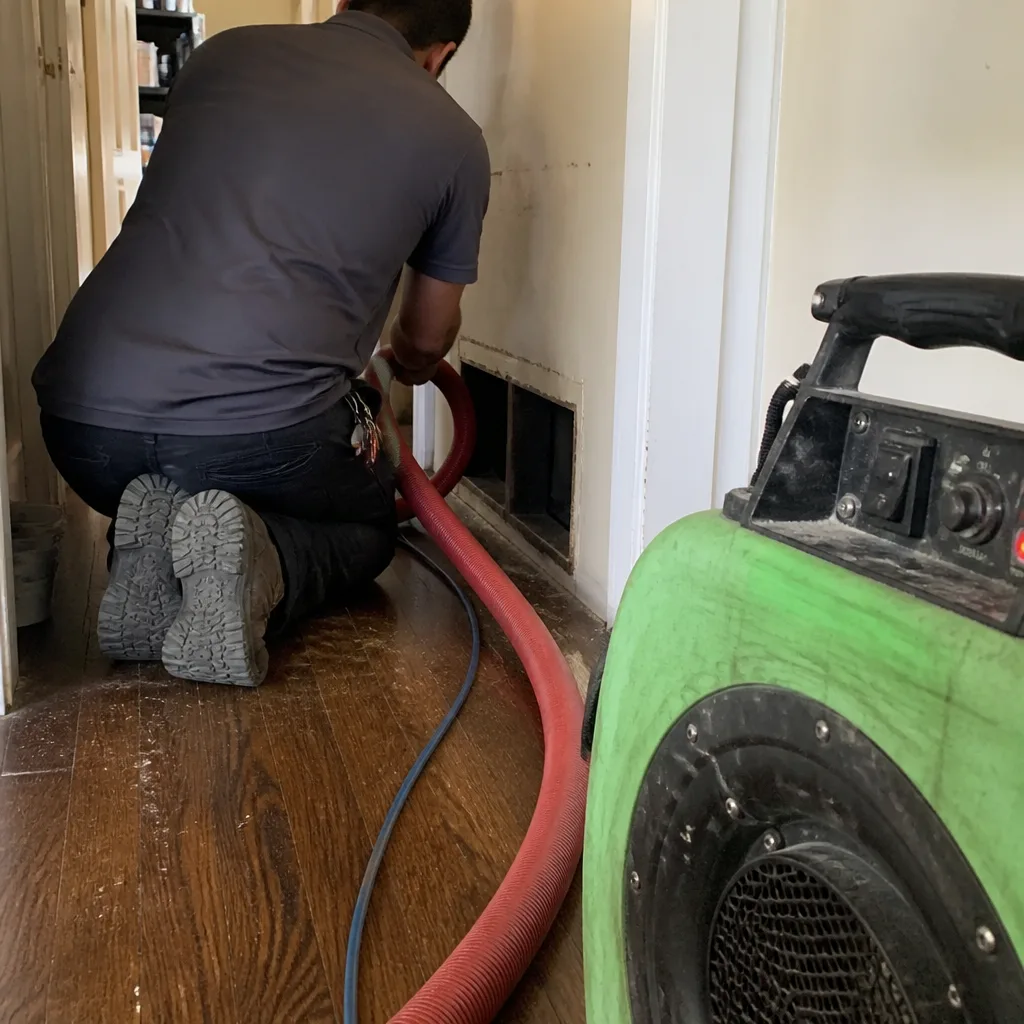 Before
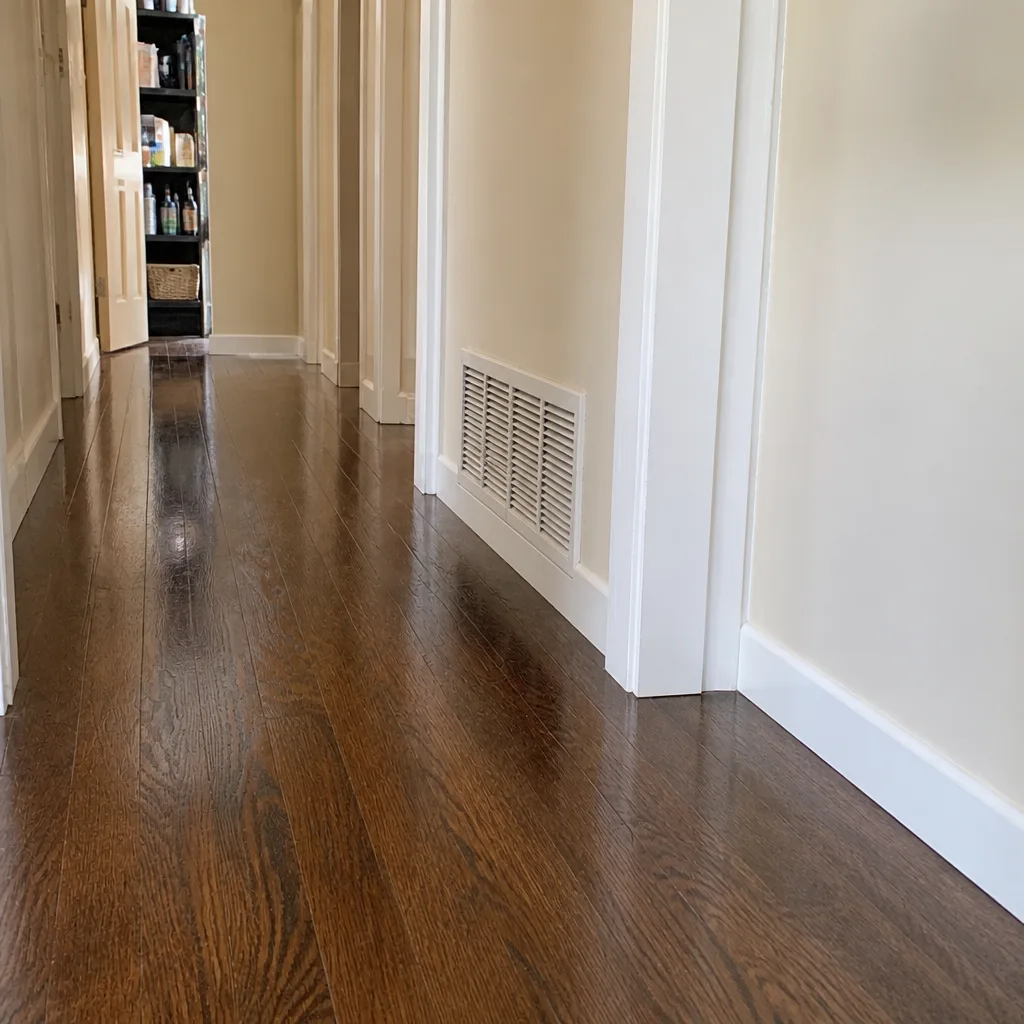 After
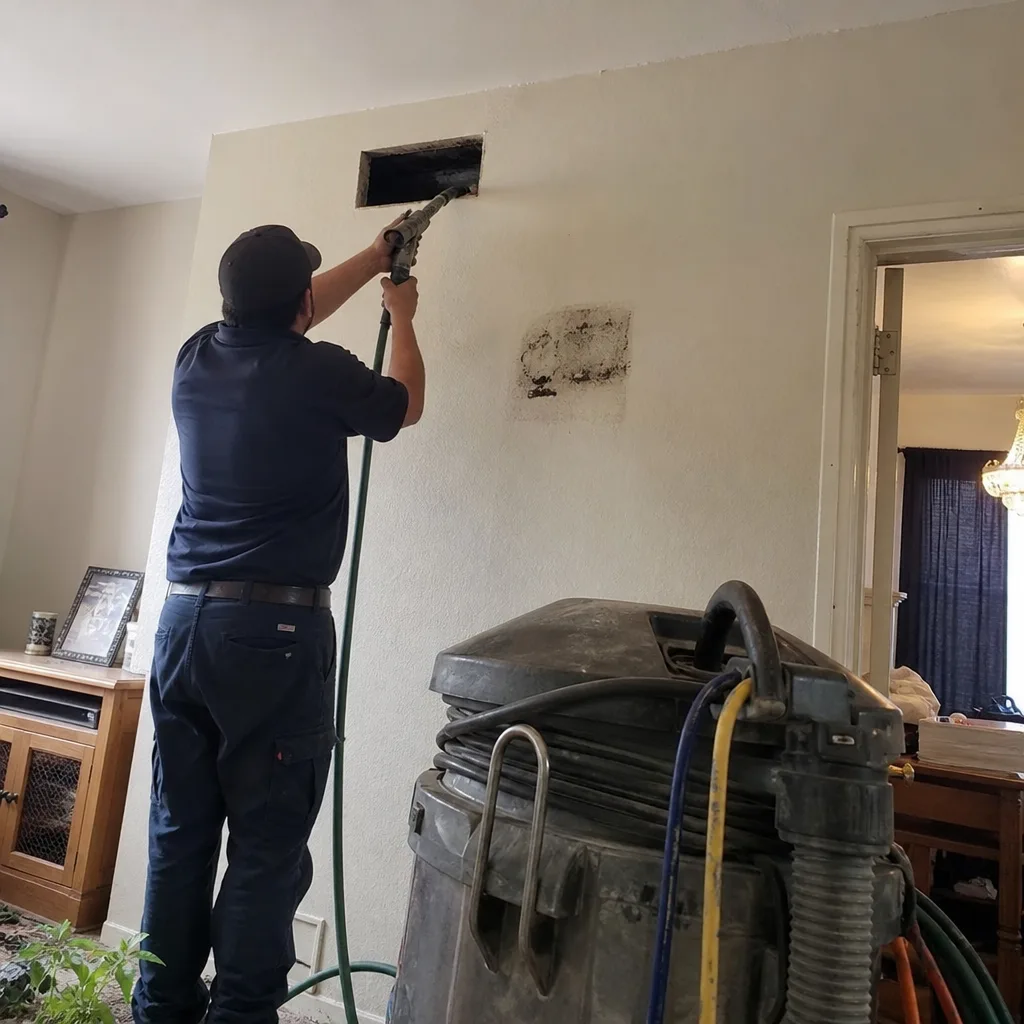 Before
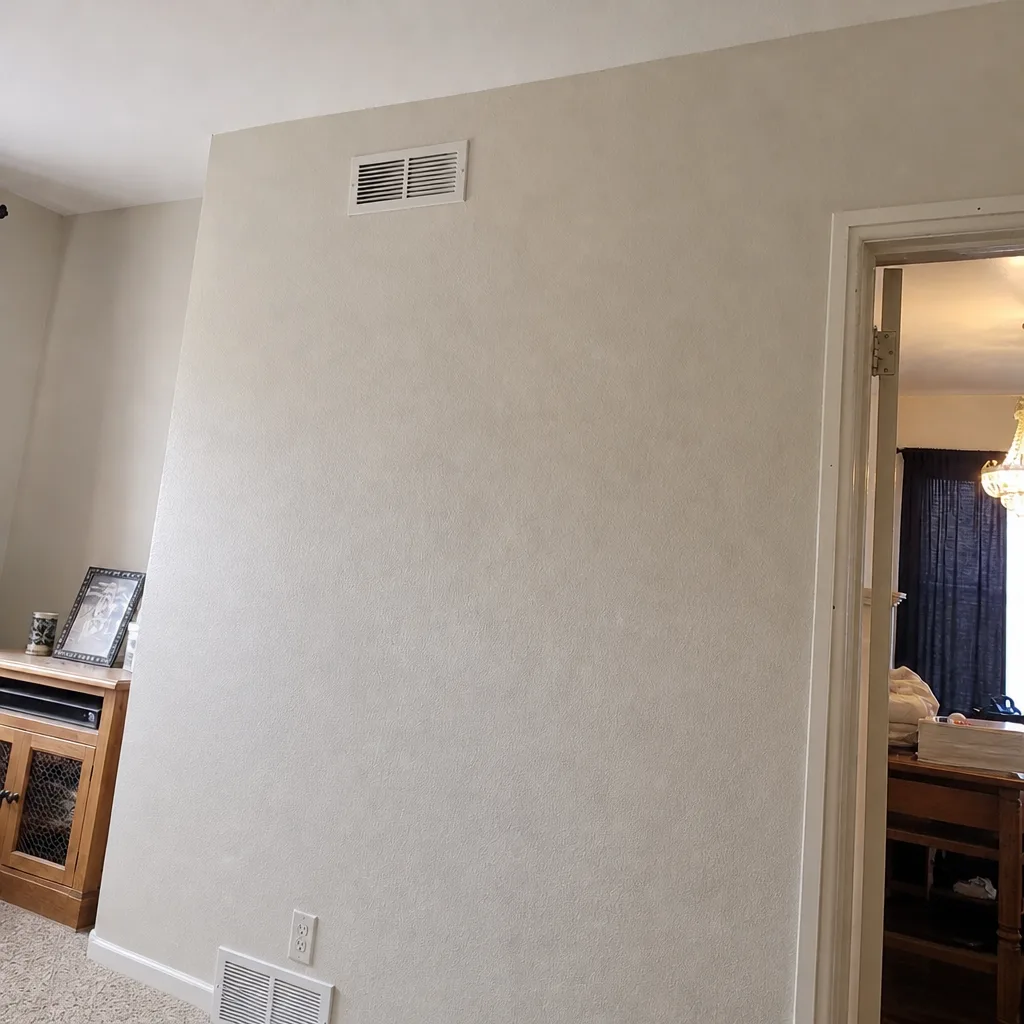 After
 Before
 After
Frequently Asked Questions
A two-year cycle with seasonal inspections works better in Stockton than the generic three-to-five-year interval. The valley has four distinct stress periods, so checking at each one and cleaning when the inspection shows accumulation gives you a schedule specific to your home rather than a guess.
Yes, through humidity rather than fog itself. Tule fog holds ambient humidity in the 85 to 95 percent range for weeks, and that’s the moisture band where microbial growth in flex duct liner can establish. The growth isn’t visible from a vent, so a post-fog borescope inspection is the way to know.
A clogged supply duct raises static pressure, which makes the blower run longer to move the same air. In a Stockton summer with long cooling runtime, that shows up as higher consumption over the season. A static pressure check before peak cooling load tells you whether you’re paying for a restriction.
Cheap quotes usually skip containment and use shop-style vacuums rather than HEPA equipment, which disturbs dust without capturing it. Ask what equipment will be on site. A quote that doesn’t include professional containment, rotary agitation, and HEPA extraction isn’t doing the same job.
Ask for before-and-after photos of your own ductwork, and ask to see the borescope images taken at the start and end of the job. Photos of your ducts, not stock images, are the verification that matters.
Late fall, after harvest but before heating season, is the natural window for a full cleaning. Spring, after bloom, is the second-best slot if you missed fall. Either way, inspect first and clean when the evidence calls for it.
The Bottom Line
Stockton’s ductwork doesn’t face two seasons, it faces four. Harvest dust in fall, fog-driven humidity in winter, pollen loading in spring, and peak runtime in summer each leave something different behind. A fall inspection before heating season, a post-fog borescope check in winter, a filter and return review in spring, and a static pressure check in summer give you a real picture of your home. Build the cleaning schedule on that evidence rather than a generic interval. Purpose-built equipment, HEPA containment, and actual duct repair when something is broken are what separate a real cleaning from a vent wipe.
Contact
If you’re ready to put seasonal duct care on a schedule that matches how Stockton actually works, call us for a free estimate. Call (855) 263-2873. We answer 24/7. Fast dispatch from 7am to 7pm, Sunday through Friday. We’ll inspect first, show you what’s there, and give you a clear picture before any work starts.
Written by the team at Duct Cleaning Stockton.