
Last updated November 16, 2026
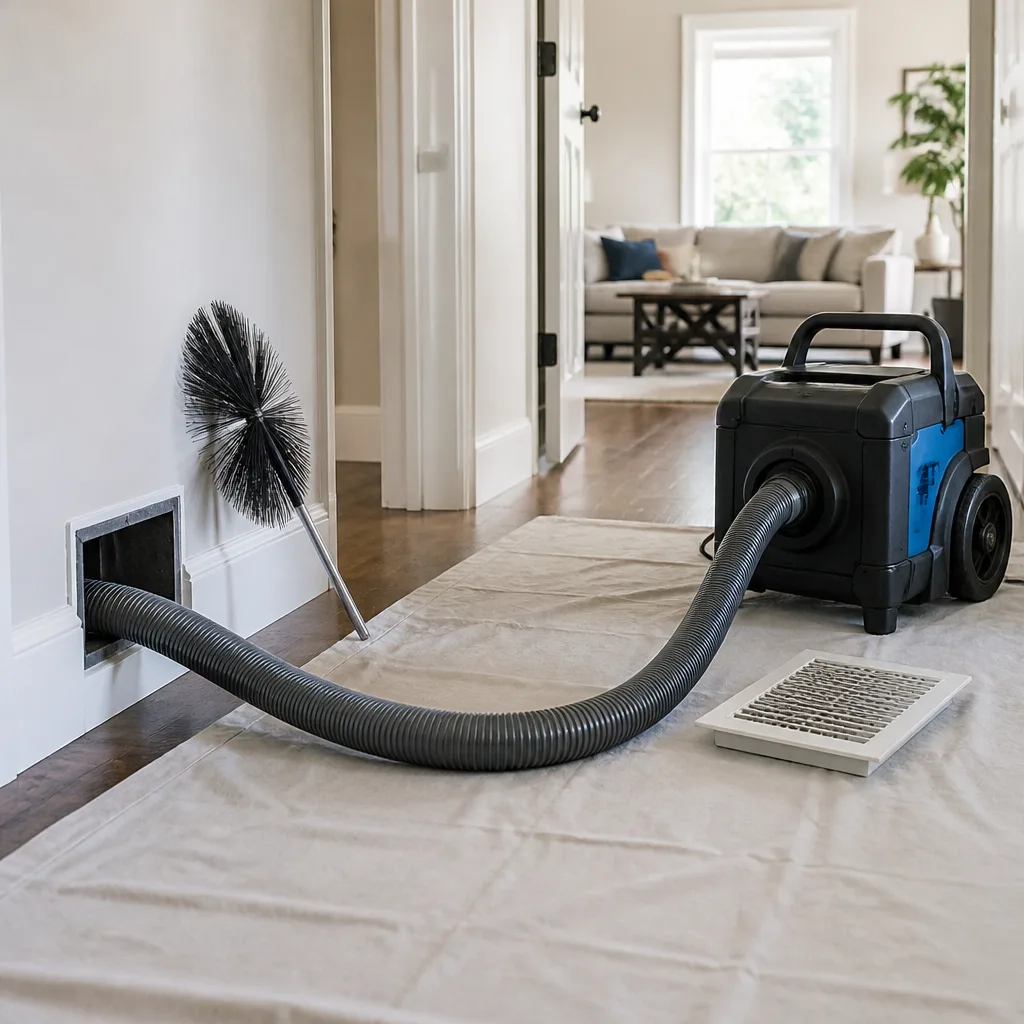 Whole-home duct cleaning
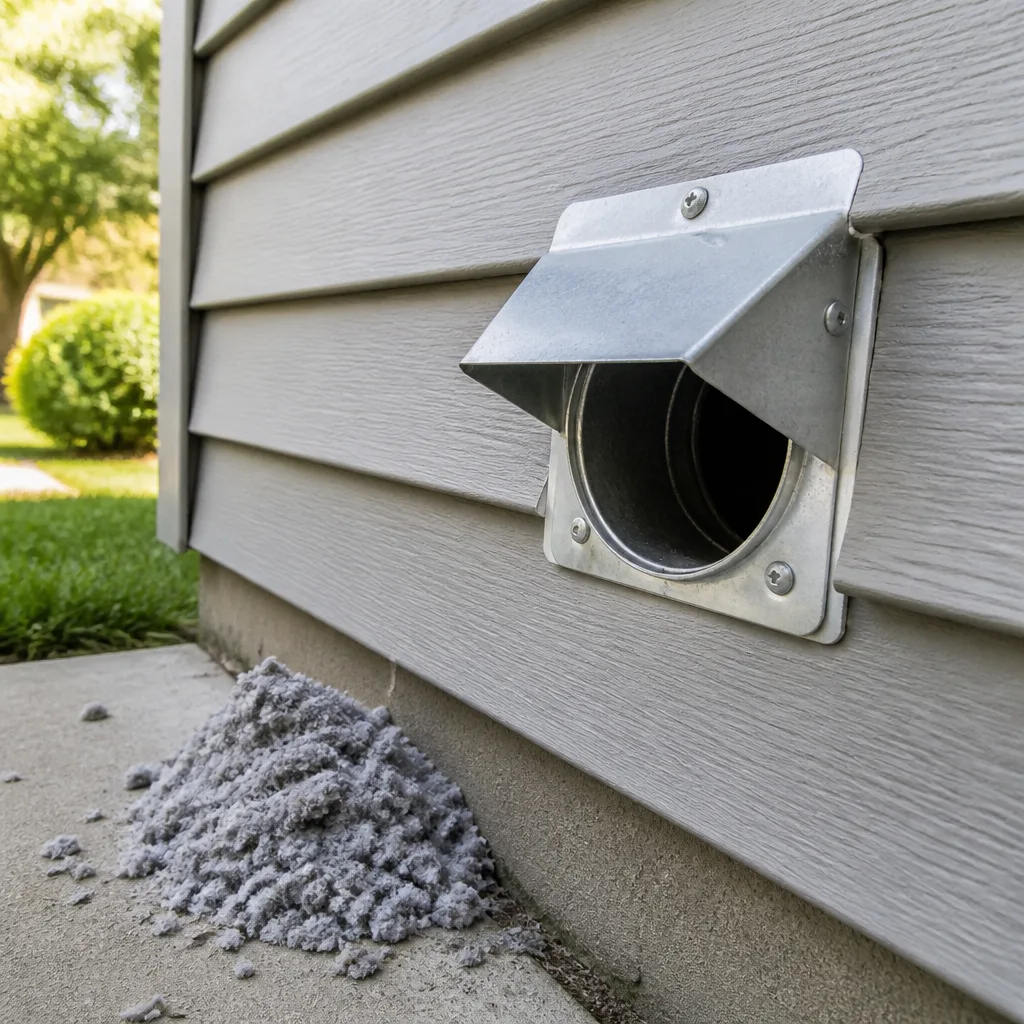 Dryer vent cleaning
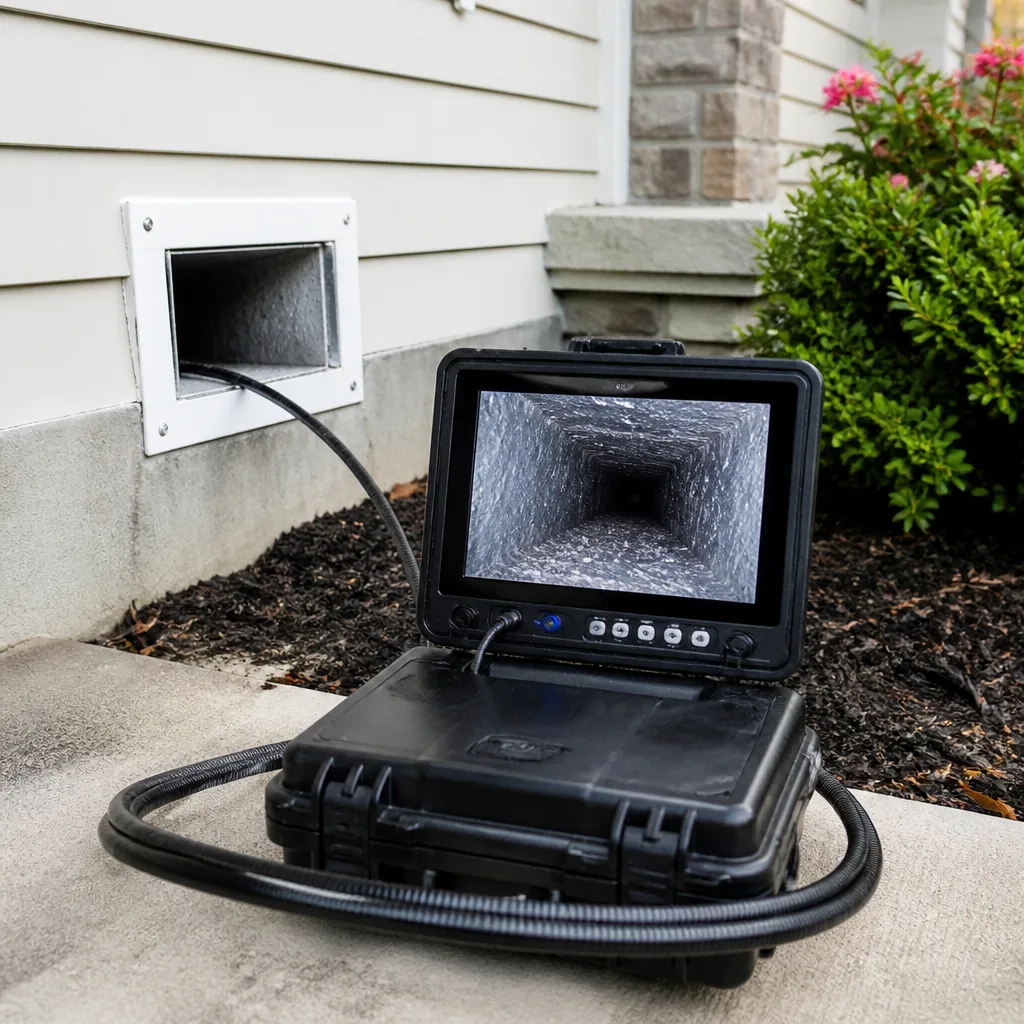 Camera inspection
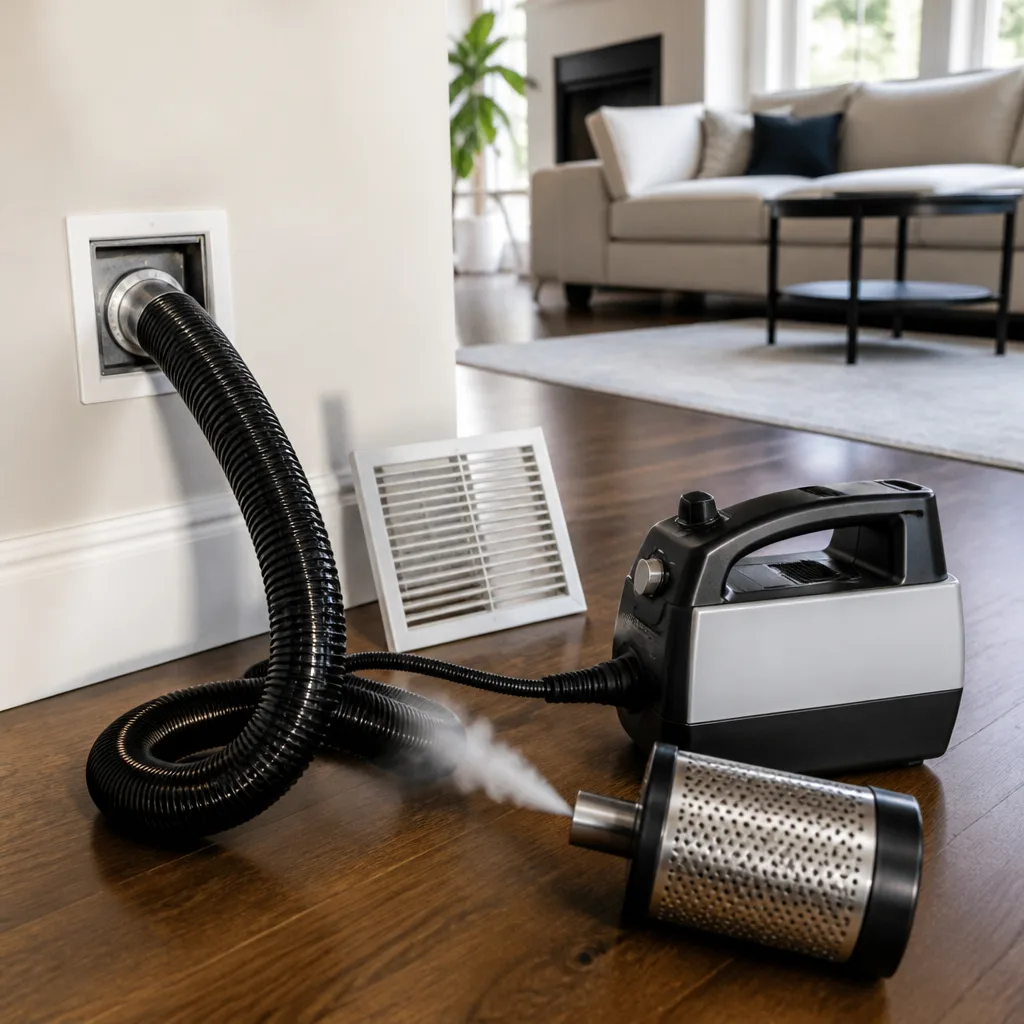 Sanitizing & deodorizing
Whole-system duct and dryer vent check with before-and-after photos - you see exactly what came out of your vents
That "$99 whole-house special" is a bait ad - the real number appears once they are in your hallway, or the "clean" is a shop-vac at the register. We photograph the inside of your ducts before and after instead.
Air Duct Cleaning Cost Breakdown: The Stockton Homeowner’s Reference for 2026
Two contractors quote the same 1,800-square-foot Stockton house. One says $99. The other says $850. Both call it duct cleaning, and both will show up with something that looks like a vacuum. The difference is what’s attached to the hose. A portable shop-vac-class unit moves roughly 150 cubic feet per minute. A commercial collection system from Nikro moves over 4,000. That gap isn’t a marketing detail, it’s the entire job. One machine loosens dust and pulls it out of the system; the other stirs it up and leaves most of it in the ducts. This guide breaks down what every dollar in a Stockton duct cleaning quote actually pays for, so you can read a bid and know which machine is coming to your house.
Quick Answer
Air duct cleaning in Stockton typically runs $350 to $550 for a home under 1,500 square feet, $450 to $750 for 1,500 to 2,500 square feet, and $650 to $1,200 or more for homes over 2,500 square feet or multi-zone systems. The price is driven by register count, linear duct footage, trunk-line size, and whether access panels need to be cut. A quote under about $200 almost always signals a portable unit and a surface-only pass rather than source removal.
Styles & brands we work with
- Whole-home duct cleaning
- Dryer vent cleaning
- Camera inspection
- Sanitizing & deodorizing
Table of Contents
- What Actually Drives the Price of Duct Cleaning
- Equipment Reality: Why the Machine Sets the Price
- Stockton Price Ranges by Home Size
- Add-On Services Decoded: What’s Worth It
- How to Read a Written Quote Like a Technician
- Renovation, New Construction, and Stockton Dust
- What a Proper Cleaning Actually Involves
- Common Mistakes to Avoid
What Actually Drives the Price of Duct Cleaning
Duct cleaning isn’t priced by the hour or by square footage alone. It’s priced by the amount of work the system demands, and five factors do most of the moving. Understanding them lets you compare two quotes on equal terms instead of wondering why one is four times the other.
The first is register count. Every supply and return register is a point where the technician has to connect equipment, agitate the branch run, and extract. A house with 12 registers takes meaningfully longer than one with 7, even if the square footage is identical. The second is linear duct footage: the total length of trunk and branch runs. Long runs in a sprawling ranch layout hold more debris and take more passes to clear than a compact two-story with the same register count.
The third is trunk-line diameter and configuration. A large rectangular trunk needs different tooling and more extraction time than round flex duct. The fourth is access. If the system has no service panels at the plenum or trunk, the technician has to cut and later reseal access points, which is real labor and real material. The fifth is system configuration: a single-zone system with one air handler is straightforward, while a multi-zone setup with two air handlers or a zoned damper system doubles the equipment connections and the time.
- Register count: every supply and return is a separate connection and agitation point
- Linear footage: total length of trunk and branch runs
- Trunk diameter and shape: rectangular metal versus round flex changes tooling and time
- Access panels: cutting and resealing adds labor and materials
- System configuration: single-zone versus multi-zone, one air handler versus two
When you call for an estimate on air duct cleaning, give the person on the phone your register count and rough square footage. A quote built on those two numbers is far more honest than one built on a coupon headline.
Equipment Reality: Why the Machine Sets the Price
A portable shop-vac-class unit rated at roughly 150 CFM and a commercial negative-air collection system running over 4,000 CFM are not the same tool doing the same job at different profit margins. They’re different categories of work. The cheap quote isn’t a cheaper version of the expensive one; it’s a different service wearing the same name.
Here’s the practical difference. Source-removal cleaning means dislodging debris from the duct walls and capturing it at the point of dislodgment, then pulling it into a collection system so it leaves the house. That requires mechanical agitation, usually a rotary brush system like Rotobrush, running simultaneously with high-volume negative pressure. The brush loosens; the vacuum captures. If either one is missing, you get a surface pass that knocks dust loose and lets it settle back into the system, sometimes into the living space.
The equipment is expensive to buy, expensive to maintain, and expensive to run. Commercial HEPA filtration and containment gear from Abatement Technologies, the same standard used in remediation work, isn’t a shop-vac add-on. Rotary brush systems need ongoing maintenance of the brush heads and drive cables. High-volume collection units need filter changes and service. All of that is baked into the price of a legitimate job, and none of it exists in a $99 coupon.
Think about it this way: a contractor running a 4,000+ CFM negative-air system and a rotary brush is doing work comparable to a light remediation job. A contractor running a portable vacuum is doing something closer to surface wiping. Both are legal. Only one actually clears the duct walls. That’s the equipment story behind the price gap, and it’s the single most useful thing to understand before you compare quotes in Stockton.
Stockton Price Ranges by Home Size
These ranges reflect typical scope requirements for homes in the Stockton market, estimated for a source-removal cleaning using professional equipment. They are estimates, not fixed prices, and your written estimate sets the final number. Homes with heavy debris, recent renovation dust, or unusual configurations land at the top of range or above it.
| Home Size | Typical Register Count | Estimated Range | What’s Usually Included |
|---|---|---|---|
| Under 1,500 sq ft | 6 to 9 | $350 to $550 | All supply and return registers, trunk and branch agitation, negative-air extraction |
| 1,500 to 2,500 sq ft | 9 to 14 | $450 to $750 | Same scope plus additional branch runs and longer trunk footage |
| 2,500+ sq ft or multi-zone | 14+ | $650 to $1,200+ | Multiple air handlers, zoned systems, extended trunk and branch footage |
A few Stockton-specific notes on where these numbers shift. Homes in the older central neighborhoods often have original metal trunk lines with long branch runs and limited service access, which pushes a job toward the upper end of its range because access panels have to be cut and resealed. Newer construction in the north and northeast parts of the city tends to have flex duct and tighter, more compact layouts that are faster to service. Two-story homes with a single air handler can have longer runs than the square footage suggests, so register count matters more than footprint when you’re estimating.
What you should not see in a legitimate quote is a per-vent price. Any contractor quoting “X dollars per register” is either going to stop early or surprise you with a total once the technician is on site. Ask for a flat price for the whole system, agreed before work starts.
Add-On Services Decoded: What’s Worth It
Add-ons are where duct cleaning quotes get fuzzy, and where the real upsell happens. Some add-ons are genuinely part of a complete job. Others are there to raise the ticket. Here’s how to tell the difference.
Dryer vent cleaning. Worth it, and arguably more urgent than the ducts themselves. Lint accumulation in a dryer vent is a leading cause of home fires, and a dryer that takes two cycles to dry a load is telling you the vent is restricted. If your dryer vent hasn’t been cleaned in a while, bundle it with the duct work so both are handled in one visit. We handle dryer vent cleaning as a core service, not an afterthought.
Coil cleaning. Often worth it, especially on the evaporator coil. A dirty coil reduces cooling efficiency and can put strain on the system during Stockton’s long hot season. If the technician has the system opened up anyway, coil cleaning is a reasonable add. Skip it if the coil was cleaned recently or if the quote is vague about what “coil cleaning” means.
Antimicrobial treatment. Situational, not automatic. It’s appropriate after a known moisture event, a rodent or pest issue, or persistent musty odor that survives cleaning. It’s not something every house needs, and a contractor who quotes it as mandatory on every job is upselling. Ask why it’s recommended before agreeing.
Duct sealing and repair. Worth it when the technician actually finds disconnected joints, crushed flex runs, or leaky plenum connections. Sealing leaky ducts improves efficiency and reduces the dust that gets pulled into the system. We treat duct repair as its own service, not a line item to pad a cleaning quote. If a technician recommends sealing, ask to see the disconnected or damaged section on camera or in person first.
UV lights and whole-home filtration upgrades. These are real products and can be worth considering, particularly if you have allergy concerns or a system with a low MERV rating. But they’re system upgrades, not cleaning add-ons, and should be discussed separately from the cleaning quote. We work with Honeywell and Aprilaire filtration and IAQ products, so we can explain what a given upgrade actually does for your system rather than just selling the box.
How to Read a Written Quote Like a Technician
A written quote tells you which kind of job a contractor is planning before they ever show up. Reverse-engineer it by looking for the tells of a source-removal clean versus a surface-only blow-out. This is the single most useful skill in this whole guide.
Start with the scope language. A source-removal quote names the registers, the trunk lines, the branch runs, and the air handler. It states that the system will be placed under negative pressure and that debris will be captured and removed. A surface-only quote is vague. It might say “clean all vents” or “sanitize ductwork” without mentioning containment, extraction, or what happens to the debris once it’s dislodged.
Then look for the equipment callout. A contractor planning a real job will tell you the machine class, whether it’s a rotary brush system, and whether the vacuum is HEPA-filtered and contained. If the quote doesn’t name equipment, ask. If the answer is “we use a powerful vacuum,” that’s a shop-vac and you’re getting a different service than the price suggests.
- Check the scope: does the quote name registers, trunk lines, branch runs, and air handler?
- Check the process: does it say “negative pressure” and “source removal” or “clean all vents”?
- Check the equipment: does it name a machine class, rotary brush, and HEPA filtration?
- Check the disposal: does it say debris is captured and removed from the home?
- Check the price structure: is it a flat price for the whole system or a per-vent rate?
- Check the photos: does the contractor show before-and-after photos of your own system, or only stock images?
Before-and-after photos of your specific ducts are the proof point that separates a real job from a hopeful one. A contractor with containment gear has no problem documenting the work. A contractor running a shop-vac usually can’t produce meaningful photos because the change is minimal.
Renovation, New Construction, and Stockton Dust
Stockton’s housing stock runs from older central neighborhoods with mature trees and original ductwork to newer developments with tight, modern systems. Both categories generate duct cleaning demand, but for different reasons.
Older homes often have decades of accumulated dust, occasional pest intrusion, and ductwork that predates modern filtration. In our experience, a first-time cleaning on an older home moves substantially more debris than a routine cleaning on a newer one. If your home has never had the ducts cleaned, expect the job to take longer and land near the top of its range.
New and recently renovated homes are the opposite story. Drywall dust, sawdust, and construction debris get pulled into the return side during any renovation, and the system distributes it throughout the house. A renovation is one of the clearest reasons to schedule a cleaning even if the ducts were serviced recently. If you had a kitchen remodel, an addition, or a full repipe, the ducts almost certainly took on material they shouldn’t have.
The area’s dry, dusty summers add a third factor. Stockton’s hot, dry season means more airborne dust in general, and a system running constantly through the summer will load its filter and its ducts faster than one running intermittently. Change filters on schedule, and don’t wait for visible dust at the registers before thinking about the ducts. Visible dust at the register is often the last thing to appear, not the first sign.
We work across Stockton, including the older central neighborhoods and the newer developments to the north and northeast. If you’re not sure whether your home needs a cleaning or just a filter change, a free estimate is the fastest way to find out.
What a Proper Cleaning Actually Involves
A source-removal duct cleaning is a sequence, not a single pass with a vacuum. Understanding the steps helps you recognize when a quote describes real work and when it describes a visit.
- System inspection. The technician maps the system, counts registers, identifies the air handler, and checks for disconnected joints, crushed flex, or damaged components.
- Containment setup. Negative-air equipment is positioned to keep dislodged debris inside the work zone, using HEPA-filtered containment gear. Floors and surfaces are protected with drop protection products from Guardsman before the tools come off the vehicle.
- Register-by-register agitation. Each supply and return run is agitated with a rotary brush system to dislodge debris from the duct walls while the collection system captures it.
- Trunk line and plenum cleaning. Larger trunk lines and the plenum at the air handler get mechanical agitation and high-volume extraction.
- Air handler and coil. Depending on scope, the air handler cabinet and coil are cleaned and inspected.
- Verification. The technician documents the work with before-and-after photos of your own system and walks you through what was found.
Two things to watch for at the start. First, if the contractor arrives without containment or surface protection, the job is already compromised; debris can end up on your floors and furniture. Second, if the technician doesn’t walk the system first, they have no plan and you have no way to verify the work. A proper job begins with an inspection and ends with documentation.
If the inspection turns up damaged or disconnected duct runs, we repair what we find rather than cleaning around it. Cleaning a system with a disconnected joint is wasted effort because the debris re-enters the living space. If that’s your situation, the repair is the foundation the cleaning is built on.
Common Mistakes to Avoid
- Choosing the lowest quote without checking the machine. A $99 price tells you the equipment class before the contractor arrives. Ask what machine they’re bringing and what CFM it’s rated for.
- Accepting a per-vent price. Per-vent pricing invites the technician to stop at the register count they feel like working on. Ask for a flat price for the whole system, agreed in writing before work starts.
- Assuming every add-on is an upsell, or every add-on is necessary. Dryer vent cleaning and coil cleaning are often genuine needs. Mandatory antimicrobial on every job usually isn’t. Ask why before agreeing.
- Skipping before-and-after photos. If the job doesn’t include photos of your own ducts, you have no way to verify it happened. This is the single most common regret homeowners report.
- Cleaning the ducts without checking the dryer vent. They’re separate systems but the same fire concern. If a contractor is already in the house, having both inspected makes sense.
- Waiting for visible dust at the registers. By the time dust is visible, the ducts have been loading for a while. A renovation, a new home purchase, or a persistent musty odor are better triggers than visible dust.
- Not asking what happens to the debris. A real cleaning captures and removes debris. A surface pass dislodges it and leaves most of it in the system or the air. Ask directly: “Where does the debris go?”
When to Call a Professional
Some signs in a Stockton home point clearly to professional attention. Persistent musty or stale odor through the vents. Visibly dust-covered registers that reappear soon after cleaning. A heating or cooling system that runs longer than it used to without a clear cause. Rodent or pest evidence in the ductwork. A recent renovation that generated heavy dust. A dryer that takes two cycles to dry a load, which points to a restricted dryer vent. Disconnected or crushed flex duct that you can see in the attic or crawlspace. And a system you’ve never had cleaned, especially if the home has changed hands recently.
Duct Cleaning Stockton offers free estimates in Stockton. Call (855) 263-2873. We answer 24/7. Fast dispatch from 7am to 7pm, Sunday through Friday. Our technicians have up to experience, and we bring Rotobrush rotary brush systems and Nikro HEPA-filtered collection equipment to every job, so the estimate you get reflects what a source-removal cleaning actually costs. You want a number you can trust, not a coupon that becomes a surprise once the technician is on site.
See the difference
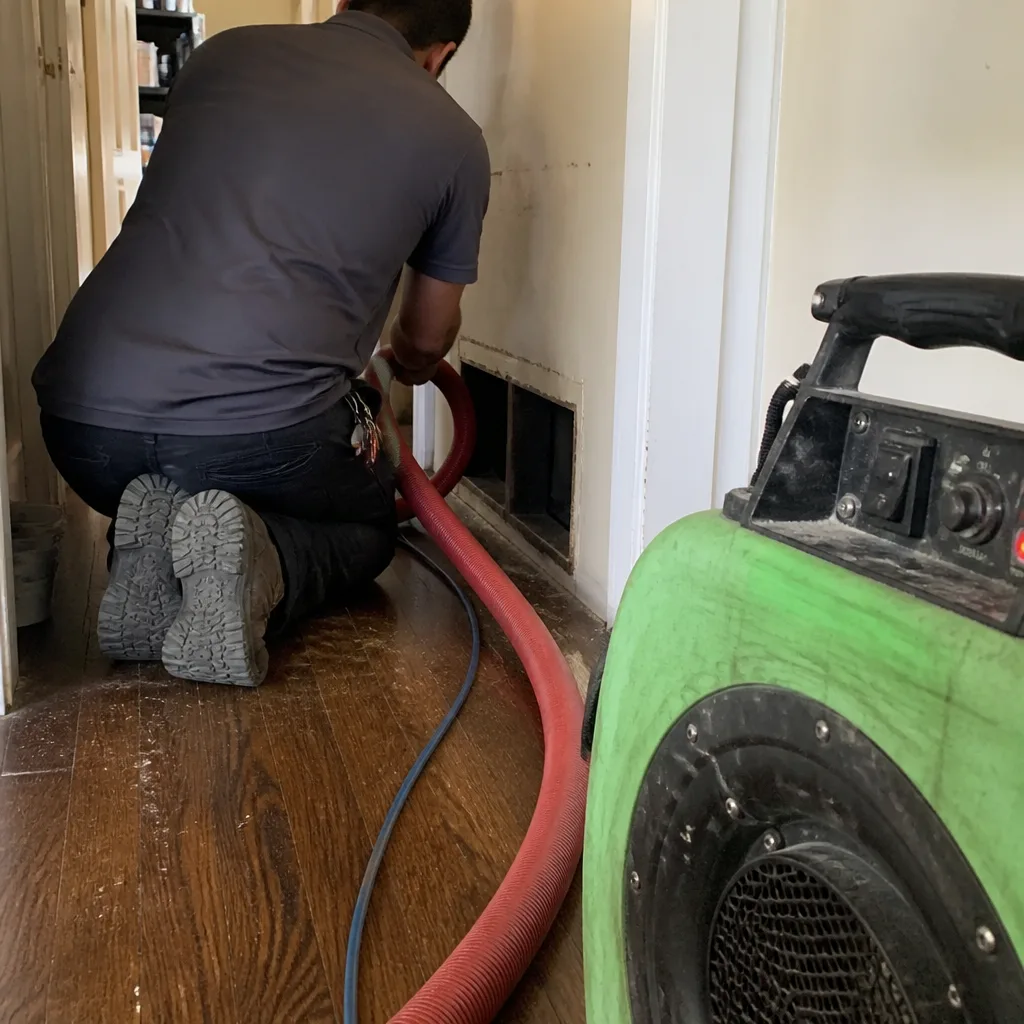 Before
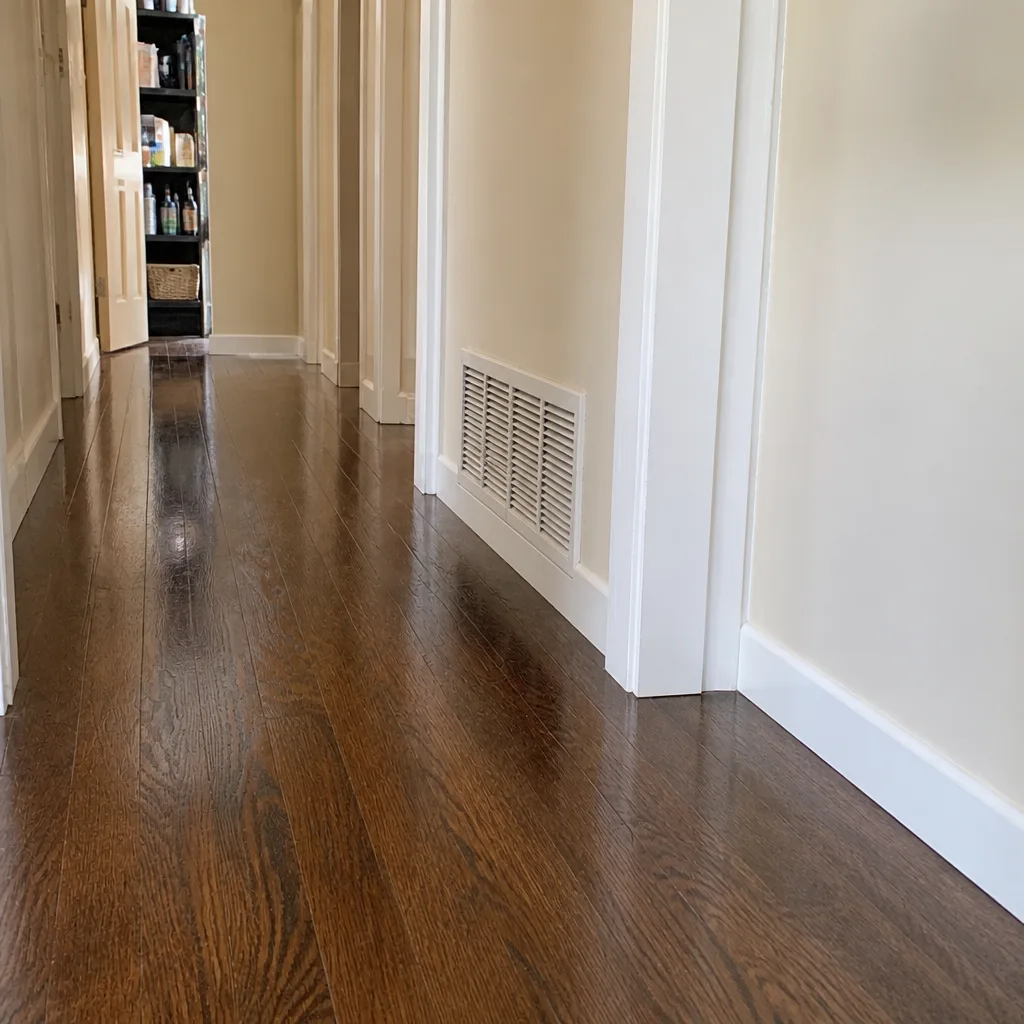 After
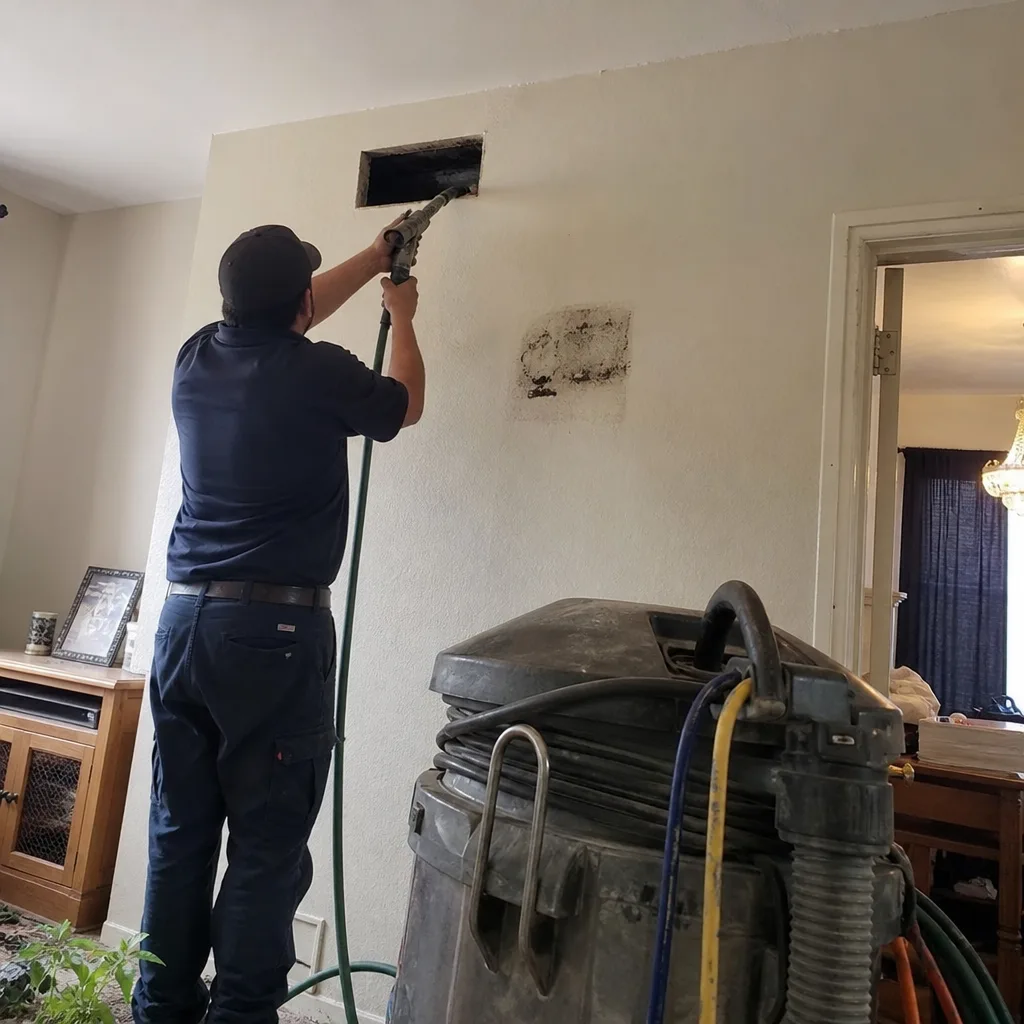 Before
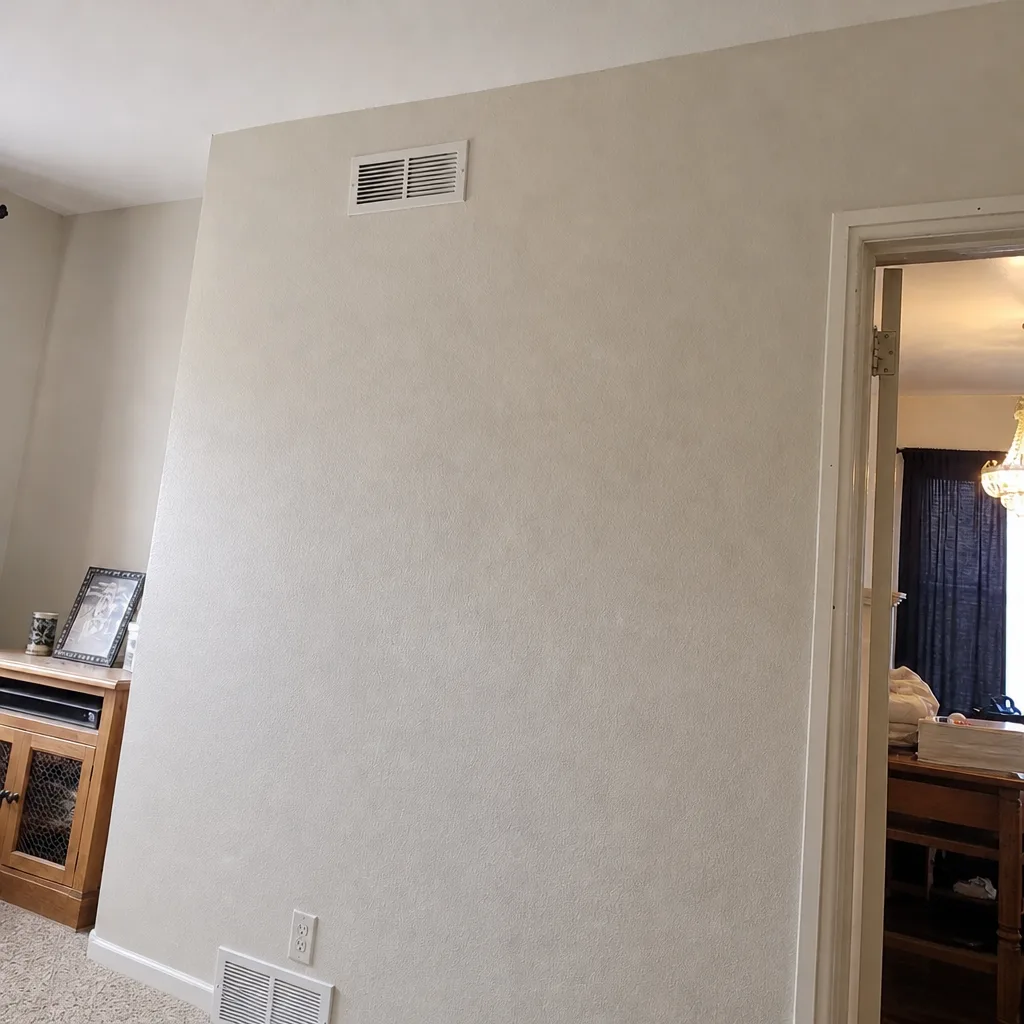 After
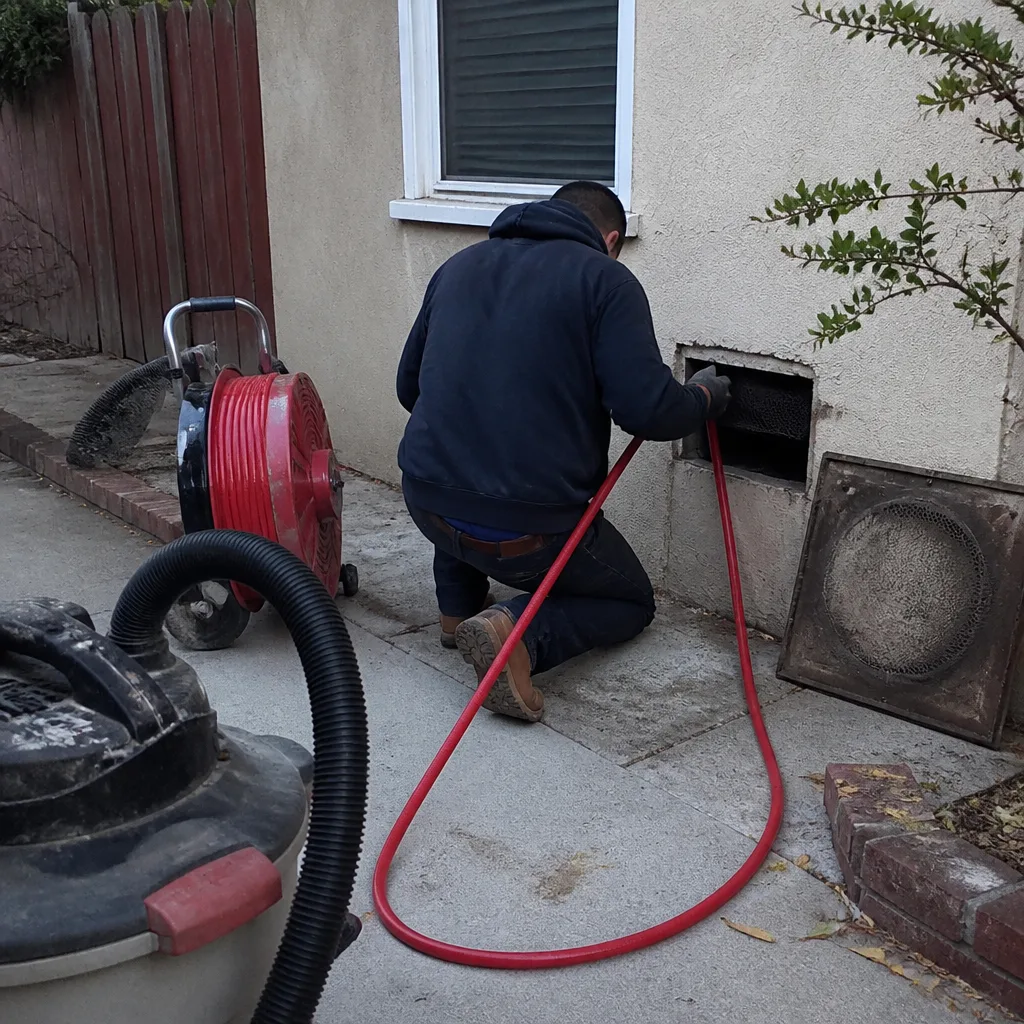 Before
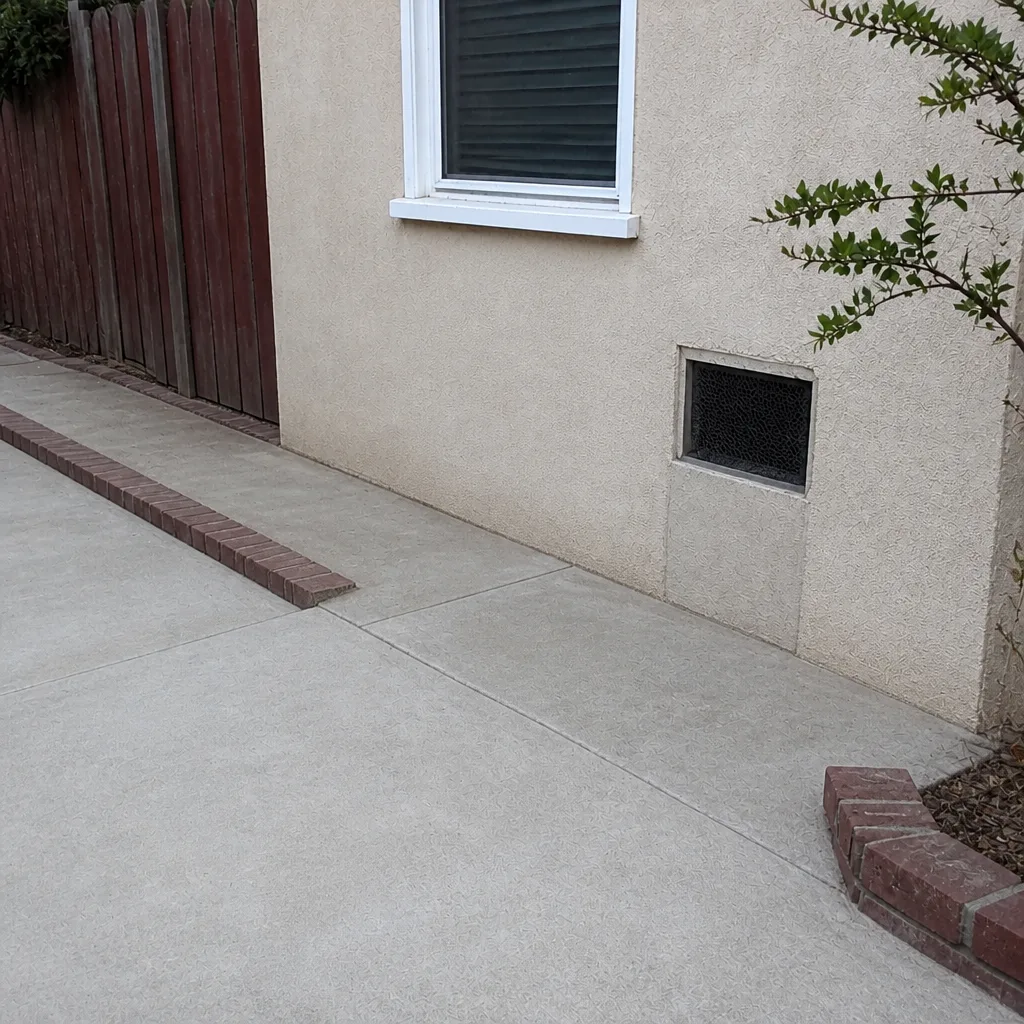 After
Frequently Asked Questions
For a source-removal cleaning, typical estimated ranges are $350 to $550 under 1,500 square feet, $450 to $750 for 1,500 to 2,500 square feet, and $650 to $1,200+ for 2,500+ square feet or multi-zone systems. The estimate is free and the written estimate sets the final price. Call (855) 263-2873 for an exact quote.
Because they describe a different job. A quote under about $200 is almost always a portable shop-vac-class unit rated around 150 CFM doing a surface pass, while a commercial system runs over 4,000 CFM with rotary brush agitation and HEPA containment. The cheap quote isn’t a discount on the same work; it’s a lower equipment class and less scope. Ask what machine is coming before you compare prices. Call (855) 263-2873 for a scope-based quote you can compare line by line.
Before-and-after photos of your own ducts. A contractor using containment and extraction has no trouble documenting the work, so you should see the change in your system, not a stock image. Ask for the photos as part of the quote. Call (855) 263-2873 for an estimate that includes documentation.
Most homes in Stockton do well with a cleaning every few years, but the trigger matters more than the calendar. A renovation, a new home purchase, pest intrusion, persistent musty odor, or visible dust returning fast to the registers are all good reasons to schedule sooner. If none of those apply and you’ve had a cleaning recently, waiting is reasonable. Call (855) 263-2873 and we’ll tell you honestly whether your situation calls for it.
If your dryer vent hasn’t been cleaned recently, yes. Lint in a dryer vent is a leading home fire cause, and a dryer that takes two cycles to dry a load points to a restriction. Having both handled in one visit is efficient. Call (855) 263-2873 to discuss bundling the two.
Cleaning doesn’t require a permit. For duct repair, most jurisdictions require a permit when ductwork is replaced or substantially modified, but rules vary, so ask your city’s building department before work begins. Call (855) 263-2873 for a free estimate on the repair scope first.
The Bottom Line
The price gap between duct cleaning quotes in Stockton comes down to equipment class and scope of work, not contractor profit. A portable unit rated at 150 CFM and a Nikro collection system running 4,000+ CFM do different jobs. Source-removal cleaning with rotary brush agitation, HEPA containment, and negative pressure costs more because it does more. Expect $350 to $550 for a smaller home, $450 to $750 for a mid-size, and $650 to $1,200+ for larger or multi-zone systems. Ask what machine is coming, ask for before-and-after photos of your own ducts, and insist on one flat price for the whole system agreed before work starts. That’s how you avoid the bait-and-switch and get a verifiable job.
Frequently Asked Questions About Stockton Duct Cleaning
You can reach our team at (855) 263-2873 for a free estimate on duct cleaning in Stockton. We answer 24/7. Fast dispatch from 7am to 7pm, Sunday through Friday, with free written estimates and one flat price per system agreed before any work begins. Our technicians have up to experience working with Rotobrush, Nikro, and Abatement Technologies equipment, so the estimate reflects source-removal scope rather than a surface-only pass.
Written by the team at Duct Cleaning Stockton.