
Last updated November 16, 2026
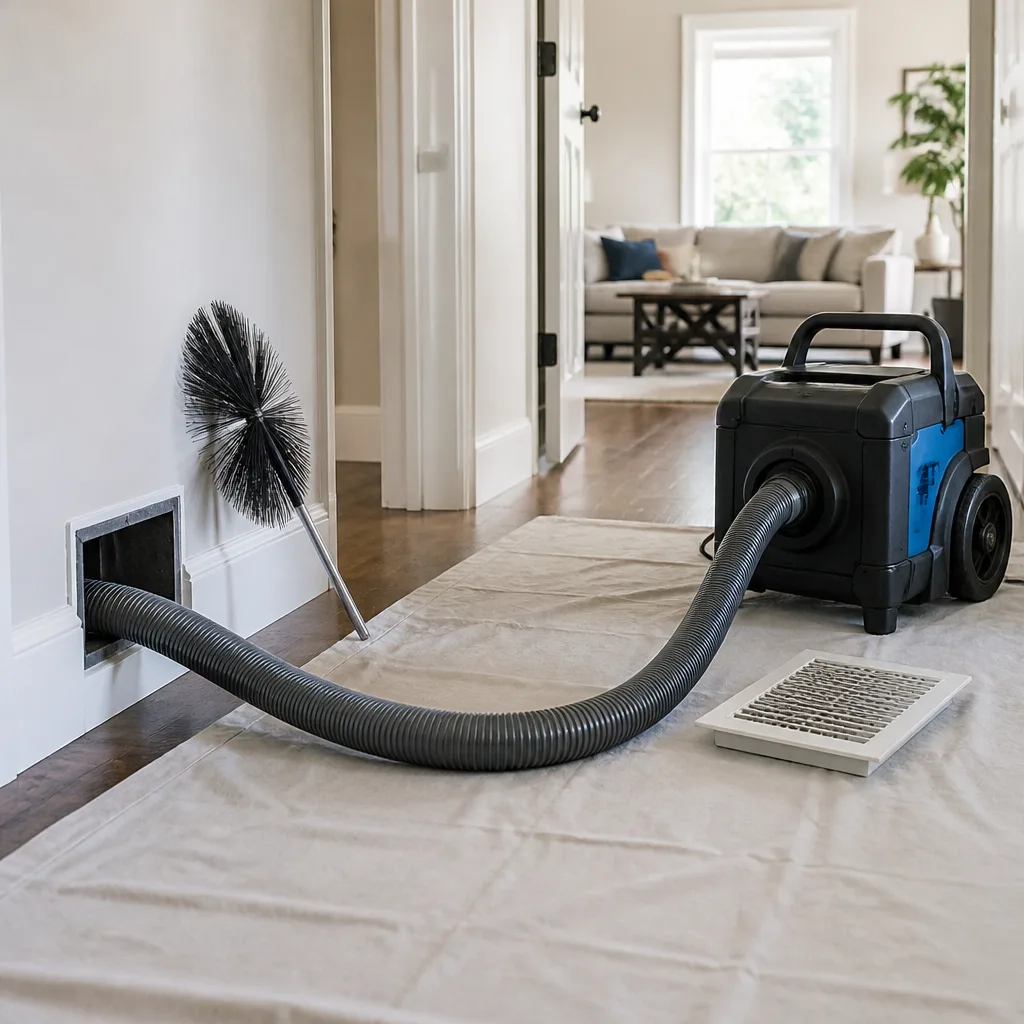 Whole-home duct cleaning
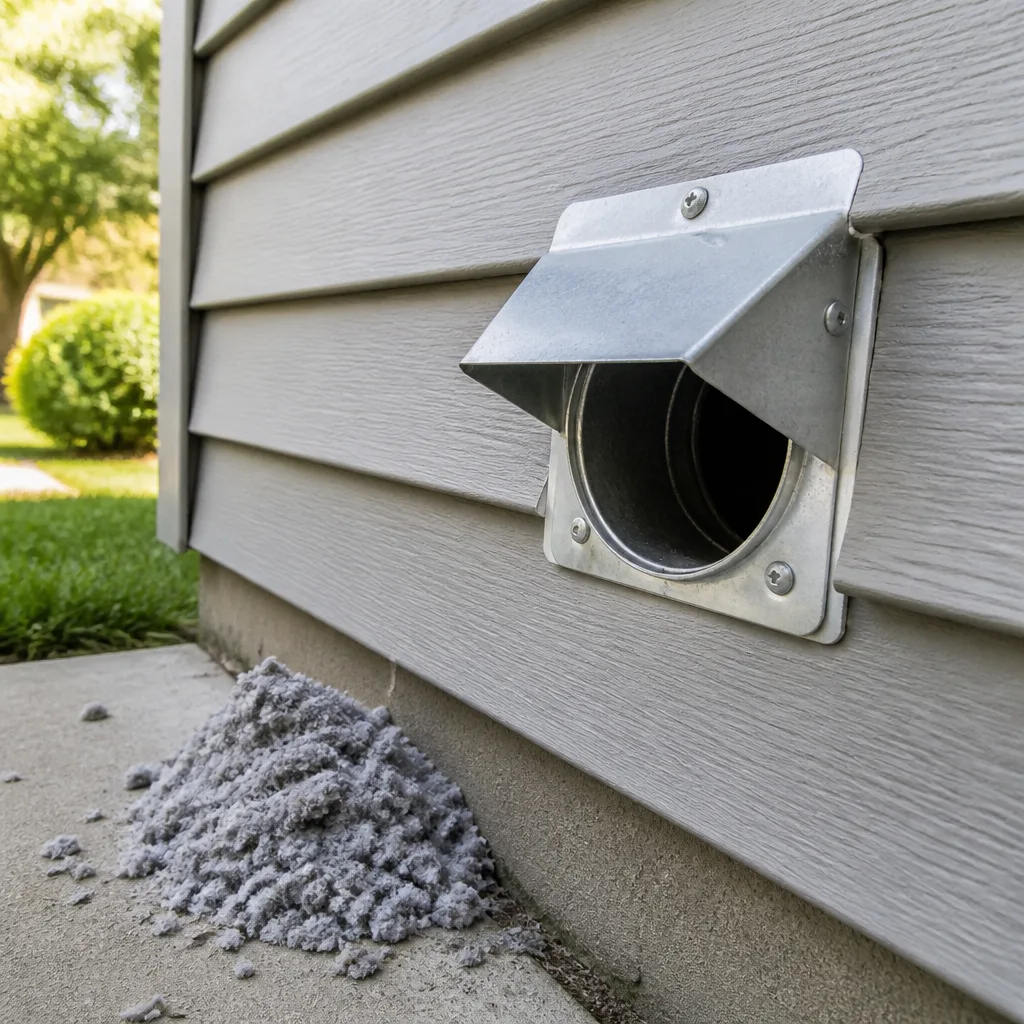 Dryer vent cleaning
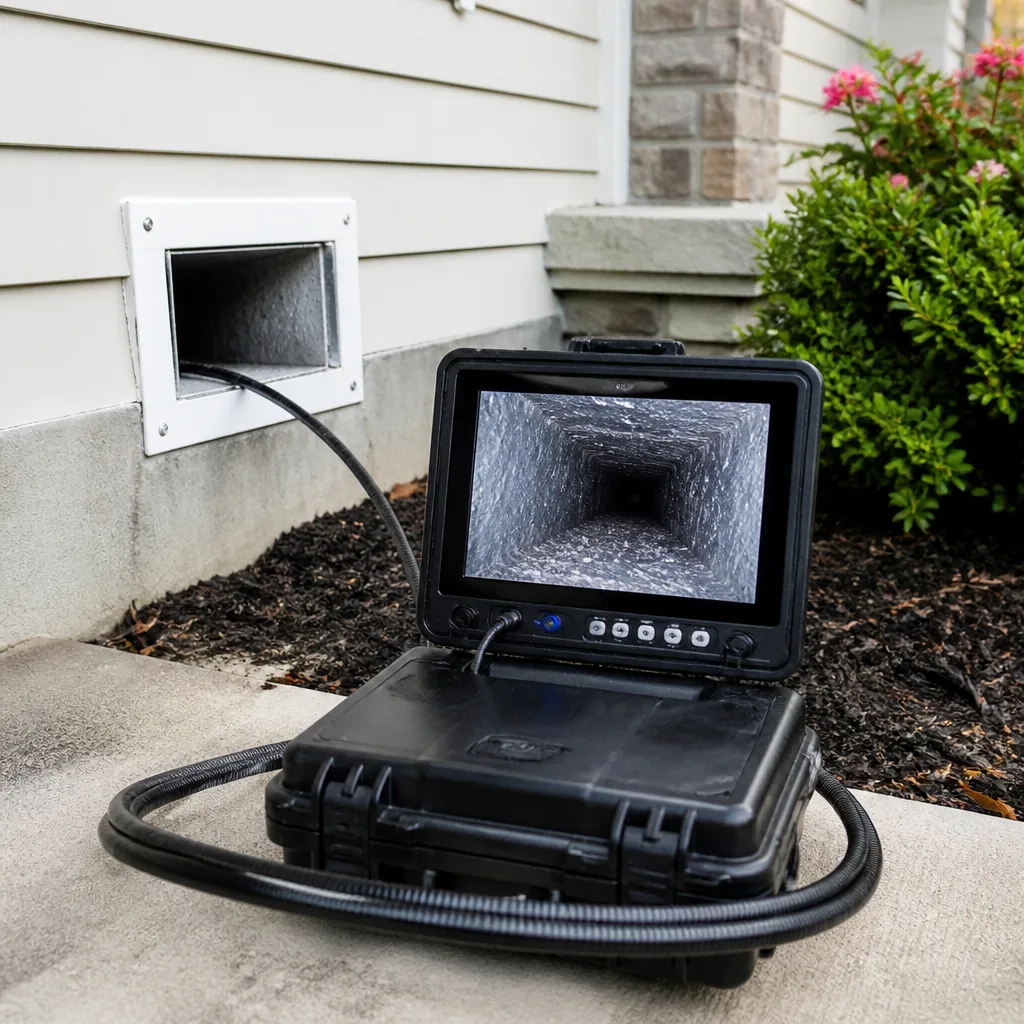 Camera inspection
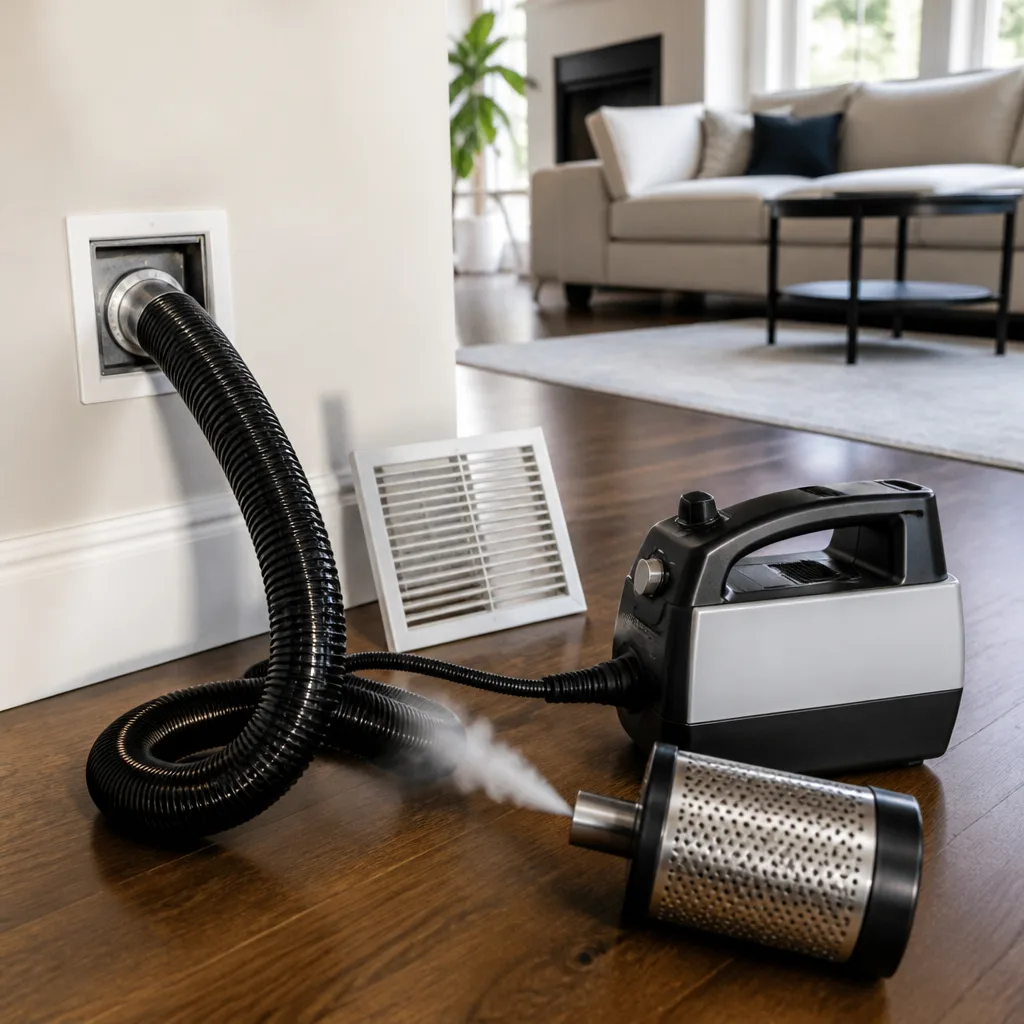 Sanitizing & deodorizing
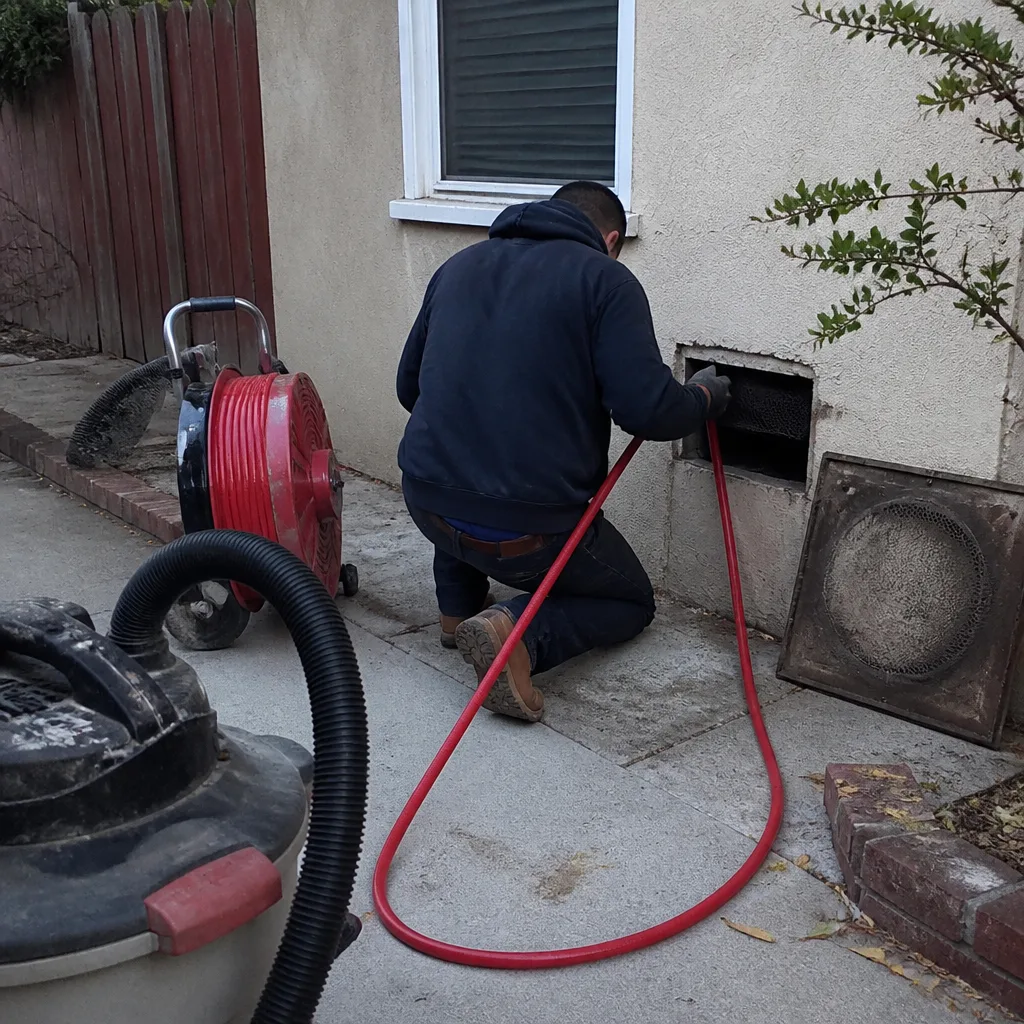
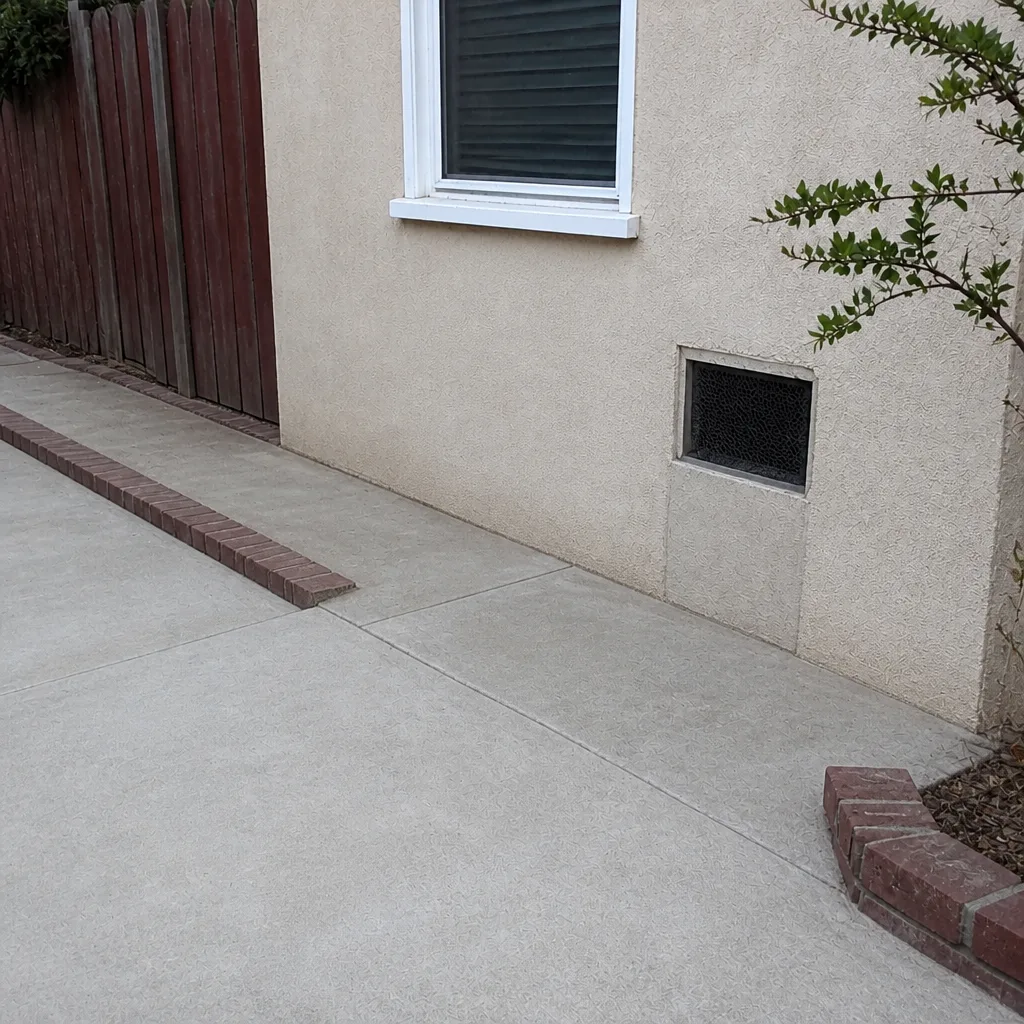
Whole-system duct and dryer vent check with before-and-after photos - you see exactly what came out of your vents
That "$99 whole-house special" is a bait ad - the real number appears once they are in your hallway, or the "clean" is a shop-vac at the register. We photograph the inside of your ducts before and after instead.
Air Duct Cleaning Maintenance Checklist for Stockton Homeowners
If your duct maintenance reminder says “change the filter every 90 days,” it was written for a city that doesn’t run combines within two miles of residential neighborhoods every August. Stockton’s air has a calendar of its own: almond and walnut harvest dust in late summer and fall, tule fog settling into the Valley floor through the winter, Spare the Air days that keep everyone’s windows shut, and dry Santa Ana wind events pushing fine grit through every gap in a house. A maintenance checklist built around those real triggers keeps your ductwork cleaner than any generic quarterly reminder ever will.
What follows is a month-by-month plan you can actually run, the filter ratings that make sense for Valley air versus the ones manufacturers ship by default, a register inspection you can do with a flashlight and a hand mirror, and the documentation a reputable contractor should leave behind after a professional cleaning. We work on Stockton duct systems every week, and this guide reflects what we see in homes across the city.
Quick Answer
For most Stockton homes, the workable schedule is one professional duct cleaning every two to three years, a filter change every 60 to 90 days, and a flashlight-and-mirror register check each season. Times that schedule to local triggers: check filters right after harvest dust peaks in September and October, inspect registers after tule fog season ends in February, and schedule a full cleaning after any renovation or before you notice a real drop in airflow. Homes with pets, recent remodels, or anyone with respiratory sensitivity usually need the shorter end of that range.
Styles & brands we work with
- Whole-home duct cleaning
- Dryer vent cleaning
- Camera inspection
- Sanitizing & deodorizing
Table of Contents
- Why Stockton’s Air Needs Its Own Duct Schedule
- The Month-by-Month Duct Maintenance Calendar
- Which MERV Rating Actually Fits Valley Air
- The Flashlight-and-Mirror Register Inspection
- What Static Pressure Tells You That a Visual Check Can’t
- The Post-Cleaning Documentation Checklist
- The Dryer Vent Belongs on the Same Checklist
- Common Mistakes to Avoid
- When to Call a Professional
- Frequently Asked Questions
Why Stockton’s Air Needs Its Own Duct Schedule
Stockton sits in the San Joaquin Valley, which means two things for your ductwork. First, the region’s agricultural cycle throws a large volume of organic particulate into the air each year. Second, the Valley’s geography traps that air near the ground, especially in winter. The combination means a Stockton house can accumulate more airborne debris in a single season than a coastal or mountain home collects in two.
Walk through what actually lands in a Stockton duct system over a year:
- Almond and walnut harvest dust (August through October). Harvest shakes trees and kicks up fine soil and hull debris, and the prevailing breezes carry it into residential neighborhoods. This material is gritty and slightly oily, and it clings to duct walls rather than sliding off.
- Field burning and agricultural smoke. When permitted burning windows open, smoke settles into the Valley. That fine ash can pass through a basic filter.
- Tule fog season (roughly December through February). Fog itself isn’t dirty, but the Valley’s winter inversion layer holds vehicle and wood-smoke emissions at ground level for days. Homes run their furnaces harder and pull more of that trapped air through the return.
- Spare the Air alerts. On those days you’re told not to burn and to limit outdoor exertion. Windows stay shut, and the same indoor air recirculates through the ducts again and again.
- Santa Ana wind events. These dry, gusty events push dust and ash into every crack and open window. They typically hit the region in fall.
The takeaway is that Stockton duct contamination is seasonal, and it peaks. A schedule that ignores those peaks cleans your system at the wrong time of year. A schedule that follows them removes the worst deposits before they get baked in by the heating season.
The Month-by-Month Duct Maintenance Calendar
Here’s the checklist we recommend for Stockton homes, sequenced to the Valley’s actual seasonal events. Adjust the filter portion for pets, smoking, or occupancy, but keep the seasonal checkpoints where they are.
- January and February – fog-season vigil. Check your filter monthly. The winter inversion traps smoke and emissions, and your system runs continuously. Look for a gray or brown tinge on the filter media. If it darkens before 60 days, it’s done.
- March – spring register walk. Once fog season clears, do a full register inspection (steps below). Note any vents with visible dust streaks or rust.
- April – coil and drain-pan check. Before cooling season, have your HVAC technician check the evaporator coil and condensate pan. A dirty coil is a duct-restriction symptom as much as a cooling problem.
- May and June – pre-summer airflow verification. This is the ideal window for a professional cleaning. Cleaning before cooling season means the system carries clean air through the hottest months, when it runs its longest cycles.
- July – heat-run monitoring. Watch for weak airflow from upper-floor vents. That’s a pressure issue, not always a dirt issue.
- August and September – harvest-dust defense. Change the filter the moment harvest dust starts settling on your patio furniture. This is the single highest-value filter change of the year in Stockton.
- October and November – post-harvest register sweep. Vacuum register grilles, then do the flashlight check. If you see a dust mat inside the boot, schedule a cleaning.
- December – pre-winter filter replacement. Fresh filter going into the heating season, when airflow matters most to furnace efficiency.
That’s the whole year. Two minutes a month of filter inspection, two seasonal register checks, one professional cleaning every couple of years. The timing is the part most homeowners get wrong, and in Stockton timing is the whole game.
Which MERV Rating Actually Fits Valley Air
Most furnaces ship with a MERV 8 filter, and most manufacturers default to MERV 8 or lower to guarantee airflow through their equipment. For a Stockton home, MERV 8 is a reasonable floor, but the honest question is whether you should step up. In Valley air, with harvest dust and winter smoke, we usually recommend MERV 11 to MERV 13 for homes with respiratory concerns, but there’s a catch that manufacturers don’t put on the box.
Higher MERV means more restriction. A MERV 13 filter that’s too dense for your blower will choke airflow, and if your system can’t move enough cubic feet of air per minute, you’ll notice it as uneven cooling, a whining blower, or short cycling. That’s worse than the dirt it filters. Three practical rules:
- Match the filter to the furnace’s rated filter slot. If the slot is an inch deep, a pleated MERV 13 will load fast and restrict airflow. Depth matters as much as rating.
- Go up one step, not three. If your system runs a MERV 8 comfortably, MERV 11 is usually safe in a Stockton home. Confirm with your HVAC technician before jumping to MERV 13.
- Change the higher-rated filter more often. A MERV 11 in Stockton holds maybe two-thirds as much dust before it restricts, compared to a cheap fiberglass filter. So change it more frequently, not less.
If you’re running a Honeywell or Aprilaire whole-home air cleaner on a media cabinet, it’s designed for a specific filter family, and skipping to an off-brand cartridge can defeat the seal. When we clean a system that runs these, we note the model so the filter replacement phase doesn’t compromise the housing. That’s part of why an air duct cleaning visit is more than a vacuum: the technician is also inspecting the filtration setup that keeps the ducts cleaner afterward.
The Flashlight-and-Mirror Register Inspection
You can check your own ductwork between professional cleanings with two items: a bright flashlight (the small LED kind, not your phone’s), and a hand mirror on a short handle. This is a visual inspection, not a cleaning. It tells you whether the ducts need attention, and it gives you concrete evidence if you later call a contractor.
Here’s how to do it in a Stockton home:
- Turn off the system. Fan off, thermostat off. You want still air.
- Remove the register grille. Most are held by two screws or spring clips. Set them somewhere they won’t get lost.
- Shine the light into the boot (the metal duct box behind the grille). Look for mats of dust, animal hair, or visible mold growth. A fine even film is normal; a matted layer or black speckling is not.
- Angle the mirror into the run. Slide the mirror into the boot opening and angle it so you can see down the length of the duct. A clean duct shows bare metal. A dirty one shows fuzzy gray buildup on the walls.
- Sniff the register. A musty odor is a sign of moisture and organic growth somewhere in the system, and it’s worth investigating even if the ducts look clean.
- Repeat at two or three registers across the house, ideally one on each floor plus one on a long run. If the front registers are cleaner than the rear, that’s a pressure story you’ll want to know about.
What this check can’t see is the inside of horizontal runs, the trunk line, and the plenum above the air handler. That’s where professional equipment earns its keep. We use Rotobrush rotary brush systems to agitate duct walls mechanically while simultaneously pulling the dislodged material, plus Nikro HEPA-filtered vacuum equipment to capture particulates at the source so they don’t simply redistribute through the house while we work. If you’d like this done in your Stockton home, you can start at duct cleaning Stockton and describe what your mirror showed you.
What Static Pressure Tells You That a Visual Check Can’t
A duct system can look clean at every register and still be restricting airflow in ways you can feel but never see. That’s where static pressure comes in. Airflow through a ductwork system has to overcome resistance, and static pressure is that resistance measured in inches of water column. An HVAC technician with a manometer can read your system’s static pressure at the return plenum and the supply plenum, and compare it to the equipment’s rated maximum.
Here’s why this matters for Stockton homeowners specifically:
- A dirty filter adds static pressure. A clogged harvest-dust filter that’s been in too long will register on the gauge even though the duct itself is fine.
- A collapsed or disconnected flex run adds static pressure. In either case, the register blows weak and the gauge tells the tech which trunk to open up.
- A clogged evaporator coil adds static pressure. Coils foul over time, especially with fine particulate, and a fouled coil restricts airflow in the same way a crushed duct does.
- Oversized or undersized ductwork reads differently from dirty ductwork. Static pressure separates the two, and it stops a homeowner from paying for a duct cleaning that won’t fix an airflow problem caused by design.
Ask for the reading, not just the verdict. Any HVAC technician who checks airflow should be able to give you the measured static pressure at the air handler and the manufacturer’s maximum. If they come back and say “your ducts are restricted,” ask what the number was. That question alone filters out a lot of guesswork. When a static pressure reading flags a failed joint or crushed run, duct repair may be the fix, not another cleaning.
The Post-Cleaning Documentation Checklist
Reputable duct cleaning is verifiable work, and the contractor should hand you documentation of what they found and what they did. This is the part most homeowners don’t ask for, and it’s the part that protects you if you ever sell the house or need to prove the system was serviced. After professional cleaning in Stockton, ask for the following before the crew packs up:
- Before-and-after photos of your own registers and ductwork. Every duct cleaning should produce photos of your actual system, not stock images. Ask to see them on the tech’s tablet before sign-off.
- The written scope. What was cleaned (supply trunks, returns, boots, registers, air handler cabinet), what was inspected but not cleaned, and why.
- The written estimate reconciled against the invoice. The number you agreed to before work started should match what you’re being asked to pay. No per-vent surprises.
- The air-quality reading set. If the crew used HEPA or negative-air equipment, ask what containment method was used and note it in the record. Abatement Technologies negative-air equipment is the remediation standard, and using it is a documented choice, not a marketing line.
- Notes on issues found during cleaning. A cracked boot, a disconnected flex run, a rusted joint. This is where duct repair gets caught early, and it’s why “we repair what we find” isn’t a slogan for us so much as a checklist item.
- Filter record. What MERV rating was in the system, what was recommended for your furnace, and how often to change it going into the next season.
File that packet somewhere you can find it, ideally next to the furnace. When you next call a contractor, you’ll have the previous record and the next cleaning has a starting point. Our technicians are happy to walk you through that documentation before they leave; we carry Guardsman surface-protection products on every job, and part of doing the work right is leaving the paperwork behind.
The Dryer Vent Belongs on the Same Checklist
A dryer vent is part of your home’s airflow chain, and it’s the one we worry about most. Lint accumulation in the dryer vent is a leading cause of home fires, and the buildup happens gradually enough that most homeowners don’t notice until the check is overdue. A clogged vent also extends dry time and puts more heat against the dryer’s housing than it was designed for.
Add this to the Stockton calendar:
- Clear the lint trap after every load. This is the lowest-effort maintenance you’ll do all year, and it matters most on a hot Stockton afternoon when the dryer’s already heat-stressed.
- Inspect the full vent run once a year. The duct from the dryer to the exterior termination can collect lint through a long or elbow-heavy route, and the only way to know is to look or measure airflow.
- Watch dry time as a gauge. If laundry takes noticeably longer than a year ago, that’s the vent, not the dryer.
We clean dryer vents with the same equipment and standard as air ducts, and since we’re already in the house, scheduling both on the same visit makes sense. We recommend pairing it with the annual air duct inspection cycle for Stockton homes with gas dryers in particular. You can book a standalone dryer vent cleaning when the calendar comes up, whether or not you’re due for the ducts.
Common Mistakes to Avoid
- Following a generic quarterly filter reminder and missing harvest season. The single worst filter mistake in Stockton is letting August dust load a filter two months past peak. If your reminder is calendar-based rather than event-based, it will always be late here.
- Buying the cheapest filter, then stepping to the highest-MERV filter to compensate. Cheap fiberglass filters pass fine dust straight through; MERV 13 filters can choke a marginal blower. Match the filter to the equipment, and step up by one grade, not three.
- Hiring a coupon-price cleaner whose team shows up with a shop vac. If no purpose-built machine comes into the house, the cleaning can’t reach duct walls, and the dislodged dust can end up in the room. A one-price quote with a written scope is the thing to compare, not the teaser number.
- Skipping the register inspection after Spare the Air episodes and tule fog season. Winter is when Valley air is trapped at ground level and your system pulls the most of it into the return. Skipping a March check means missing the buildup that arrives in those months.
- Assuming a cleaning fixes airflow problems without checking static pressure. A crushed flex run, fouled coil, or undersized trunk will still restrict flow after a perfect cleaning. Ask for the number.
- Forgetting the dryer vent because it’s in a different room. It’s the same airflow chain, and it’s the part with a fire risk attached. Put it on the same annual cycle as the ducts.
- Throwing away the documentation packet. Without photos, written scope, and readings, you have no record of what was done. Keep it next to the furnace for the next contractor to reference.
When to Call a Professional
Some jobs are DIY maintenance, and some need equipment you can’t rent at a big-box store. Call a professional when any of the following is true:
- Your flashlight-and-mirror check shows matted dust or visible mold inside the duct walls at more than one register.
- You’ve had a renovation, or you notice dust settling throughout the house faster than usual after filter changes.
- Airflow from some registers is noticeably weaker than others, or a room never cools the way the rest of the house does.
- It’s been more than three years since the last cleaning, or you don’t know the last service date.
- Your dryer takes longer than it used to, or the exterior vent flap doesn’t move freely when you pin it open and run a cycle.
- A static pressure reading from your HVAC technician shows restriction the duct cleaning alone won’t fix.
Duct Cleaning Stockton offers free estimates in Stockton, and every price is set per job by the written estimate before any work starts. Call (855) 263-2873 to schedule. We answer 24/7. Fast dispatch from 7am to 7pm, Sunday through Friday.
Frequently Asked Questions
Every two to three years is the working rule for most Stockton homes, with the shorter end for houses with pets, recent remodels, or residents with respiratory sensitivity. Because Valley air carries harvest dust, winter smoke, and Spare the Air days, we suggest scheduling the professional cleaning in late spring so the system runs clean through cooling season. Call (855) 263-2873 for a free estimate and we’ll help you time it.
MERV 8 is a reasonable floor and matches what most furnaces ship with; MERV 11 is a safe step up for many Stockton homes and offers better protection against fine Valley particulate. MERV 13 can work, but only if your blower has the capacity to move air through it, which you should confirm with your HVAC technician. Don’t step straight from a fiberglass filter to MERV 13 without that check.
Harvest dust is fine, gritty, and slightly oily, and it loads filter media faster than typical household dust. In Stockton homes near agricultural land, a filter that used to last 90 days can load in 45 to 60 during August and September. Change it at the first visible color shift, then resume your normal cycle.
A purpose-built machine agitates duct walls mechanically and extracts the dislodged material under containment, while a shop vac has neither the brush reach nor the filtration to do either safely. Professional cleaning uses rotary systems like Rotobrush, HEPA vacuums like Nikro, and often negative-air containment like Abatement Technologies. This is what keeps the dust from simply redistributing through the room.
It usually makes sense to book them together, especially if the dryer vent hasn’t been cleaned in over a year or dry times have lengthened. The dryer vent is a leading home fire cause when lint builds up, and it’s part of the same airflow chain as the ducts. Call (855) 263-2873 and we’ll quote both on one free estimate.
You know because the contractor gives you before-and-after photos of your own system, a written scope, and a reconciled invoice. Every job should come with documented evidence, and any contractor who won’t produce it is telling you something. We hand over that packet before we leave, and our prices are set per job by a written estimate agreed before work starts.
The Bottom Line
Stockton duct maintenance isn’t a quarterly calendar reminder; it’s a seasonal response to Valley air. The plan that works here: change filters on the harvest-dust trigger each August and September, inspect registers after fog season clears in March, watch dry times on the dryer vent year-round, and schedule a professional cleaning every two to three years. Ask for static pressure numbers when airflow seems off. Keep your documentation. And when you’re ready to have the work done right, with purpose-built Rotobrush and Nikro equipment, HEPA-contained methods, and a written price agreed before anyone starts, call Duct Cleaning Stockton at (855) 263-2873 for a free estimate. We answer 24/7. Fast dispatch from 7am to 7pm, Sunday through Friday. Our technicians have up to experience, and we work throughout Stockton.
Written by the team at Duct Cleaning Stockton.
See the difference
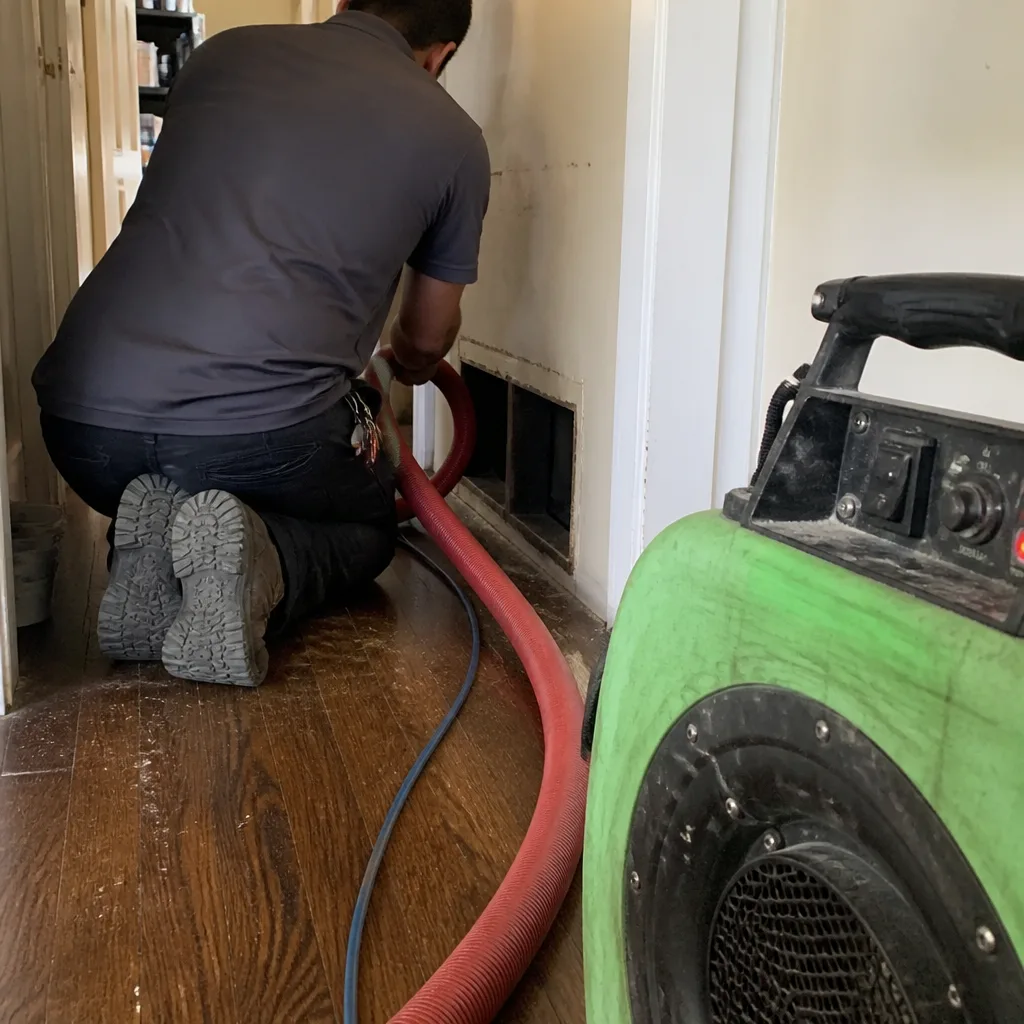 Before
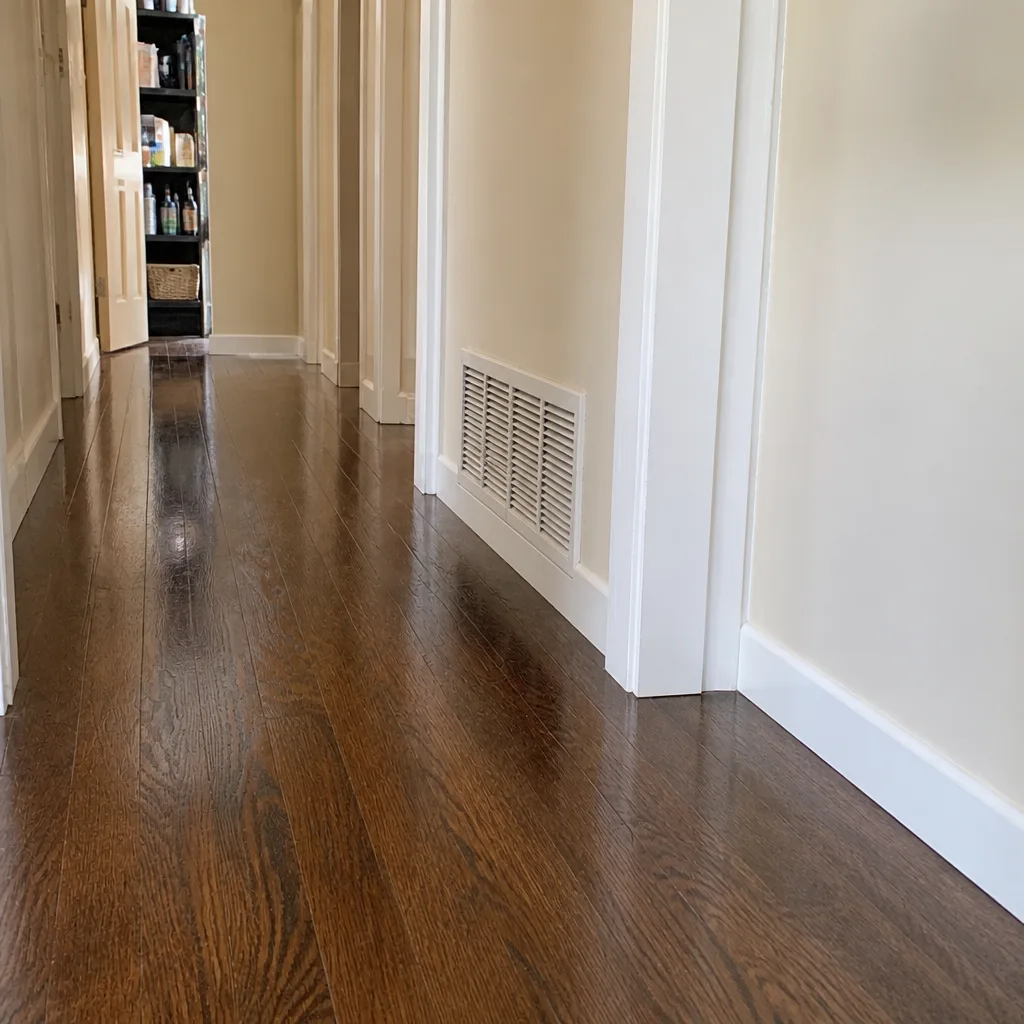 After
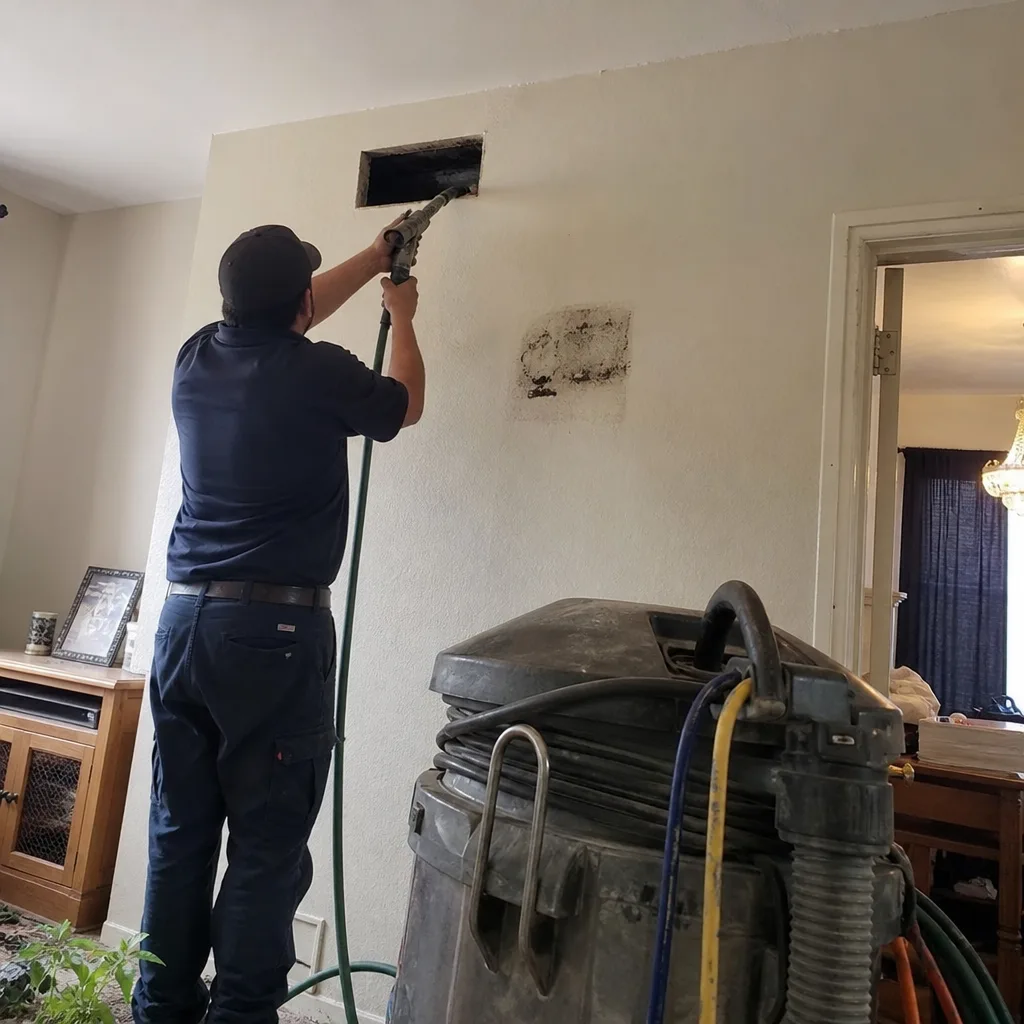 Before
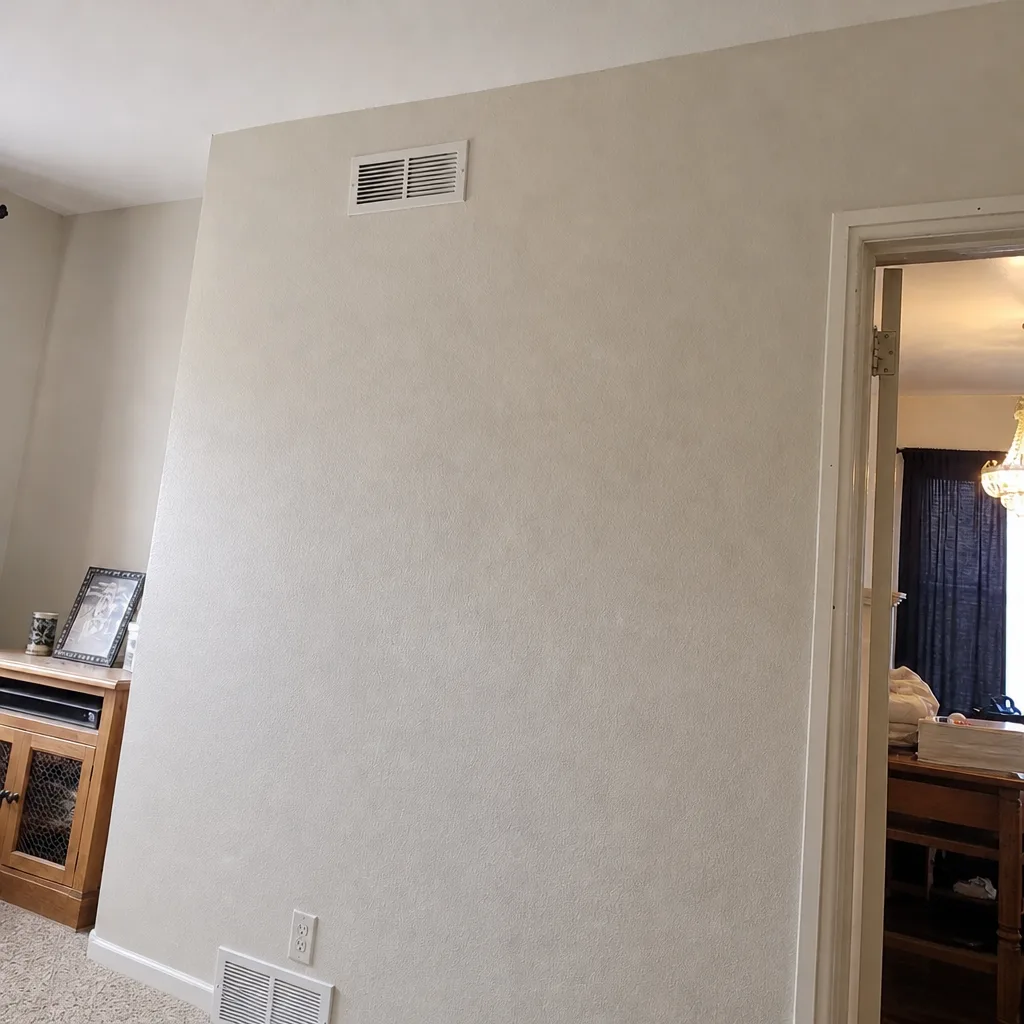 After
 Before
 After