
Last updated November 16, 2026
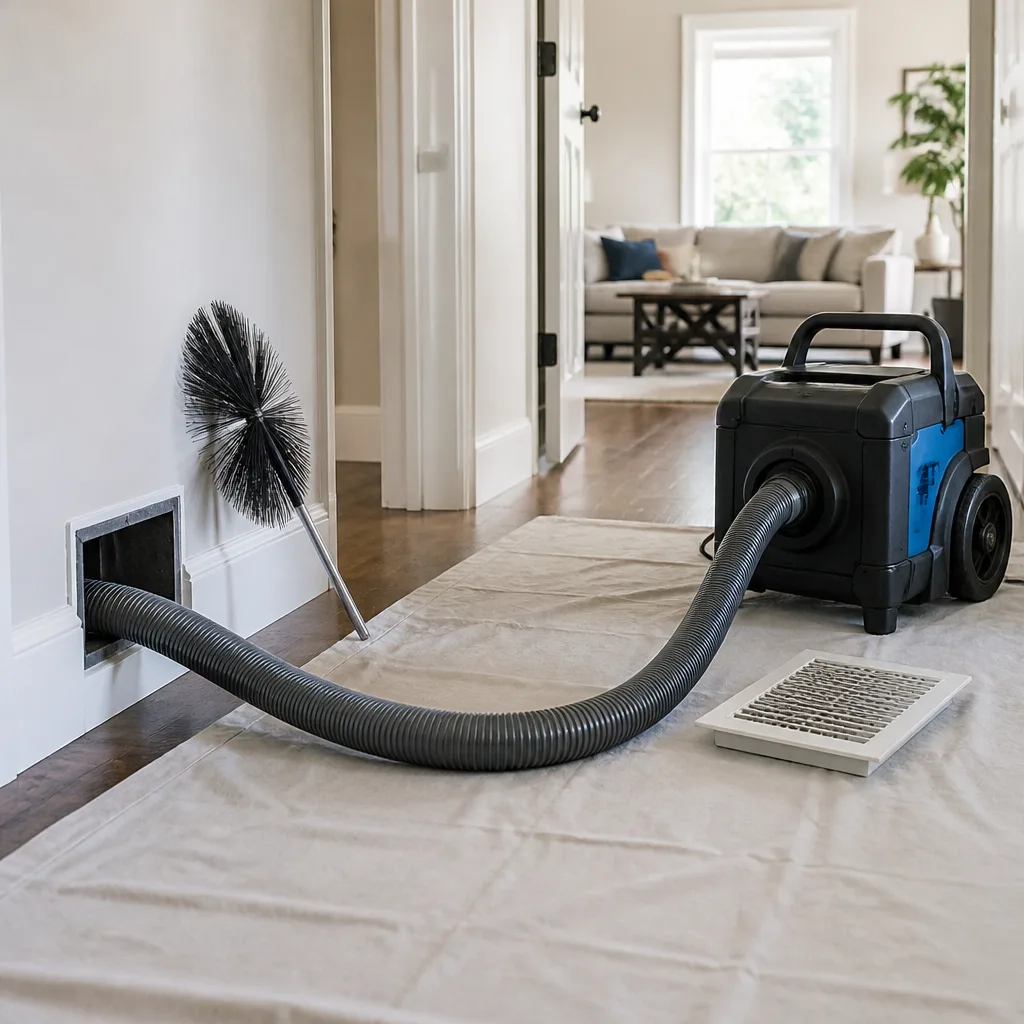 Whole-home duct cleaning
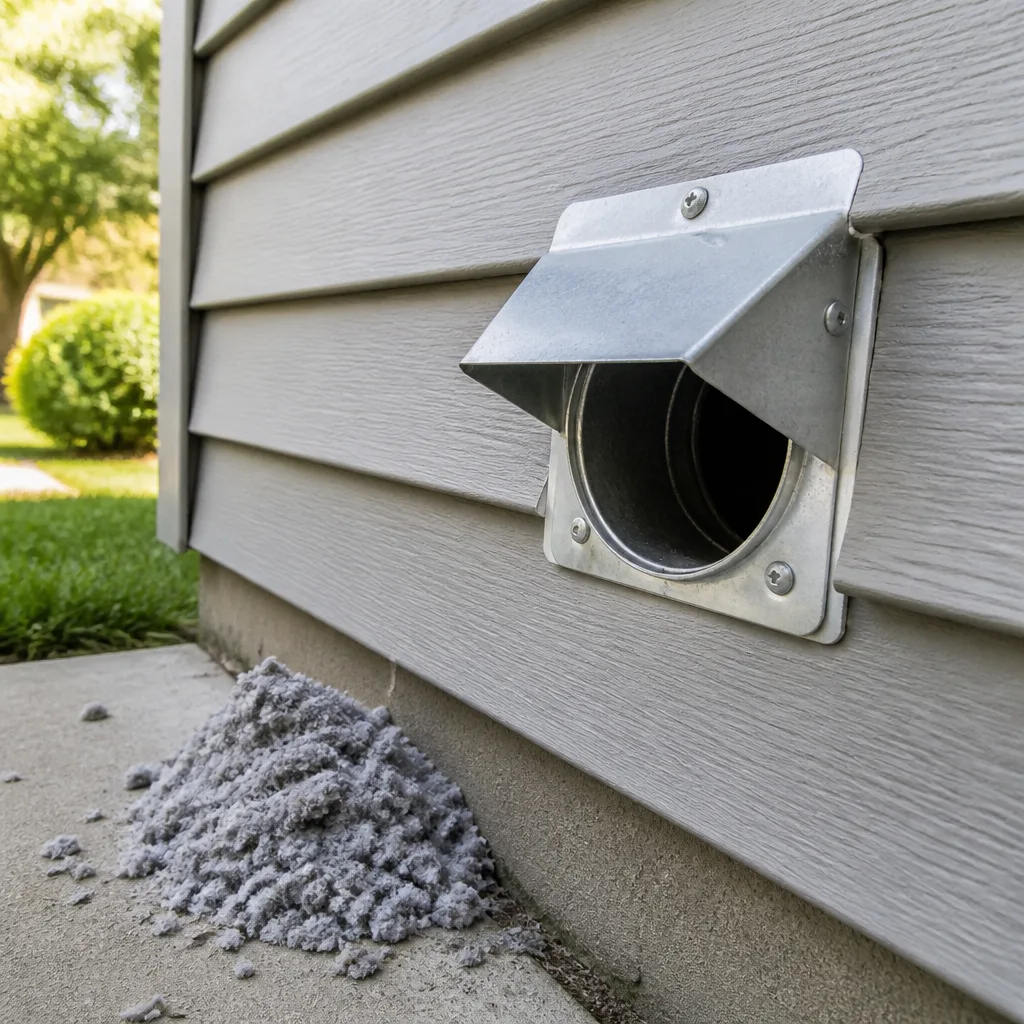 Dryer vent cleaning
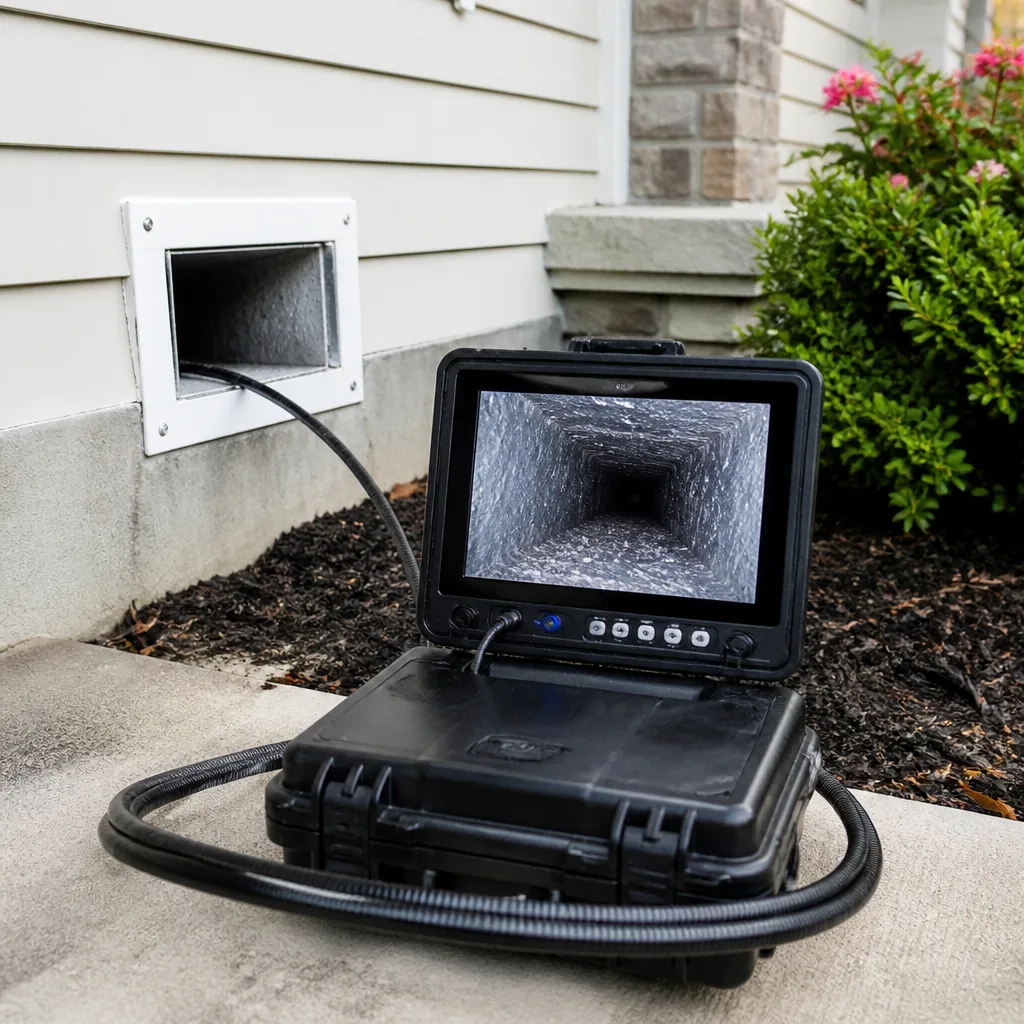 Camera inspection
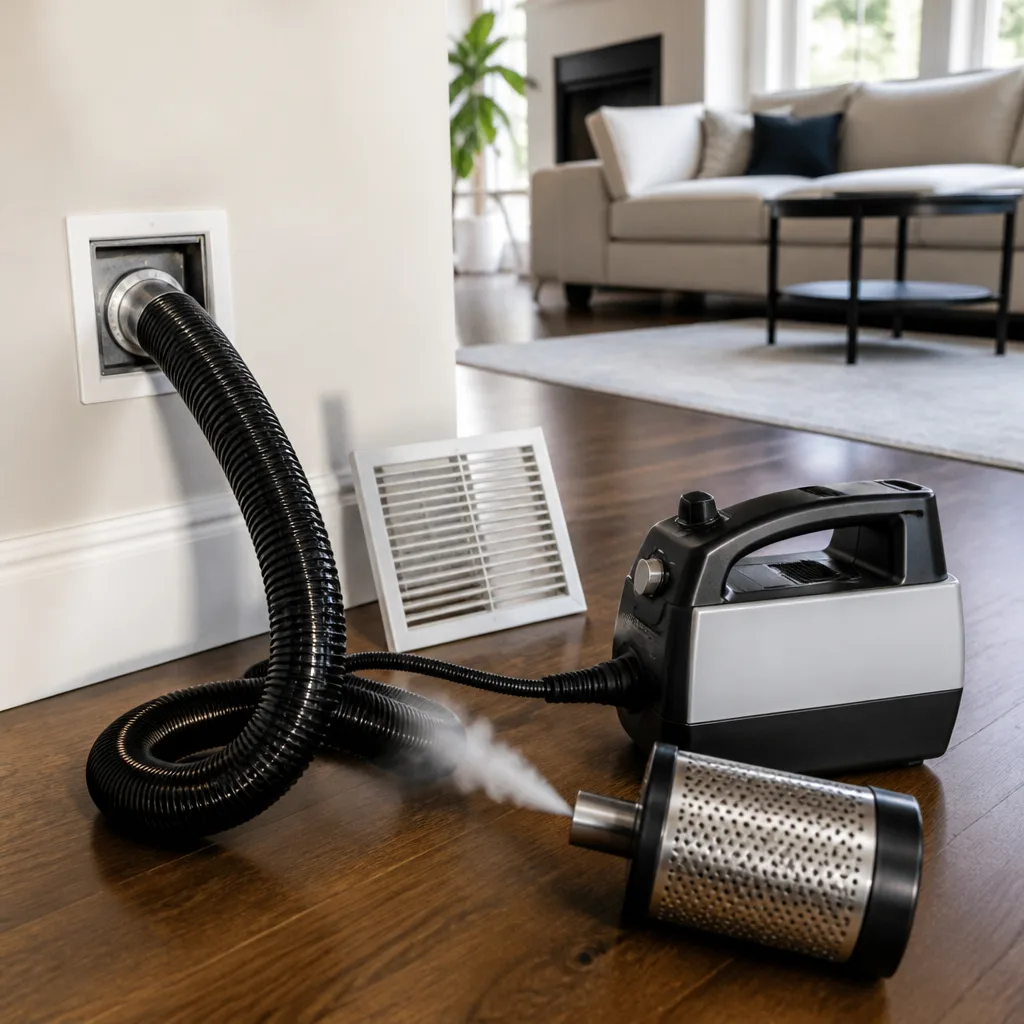 Sanitizing & deodorizing
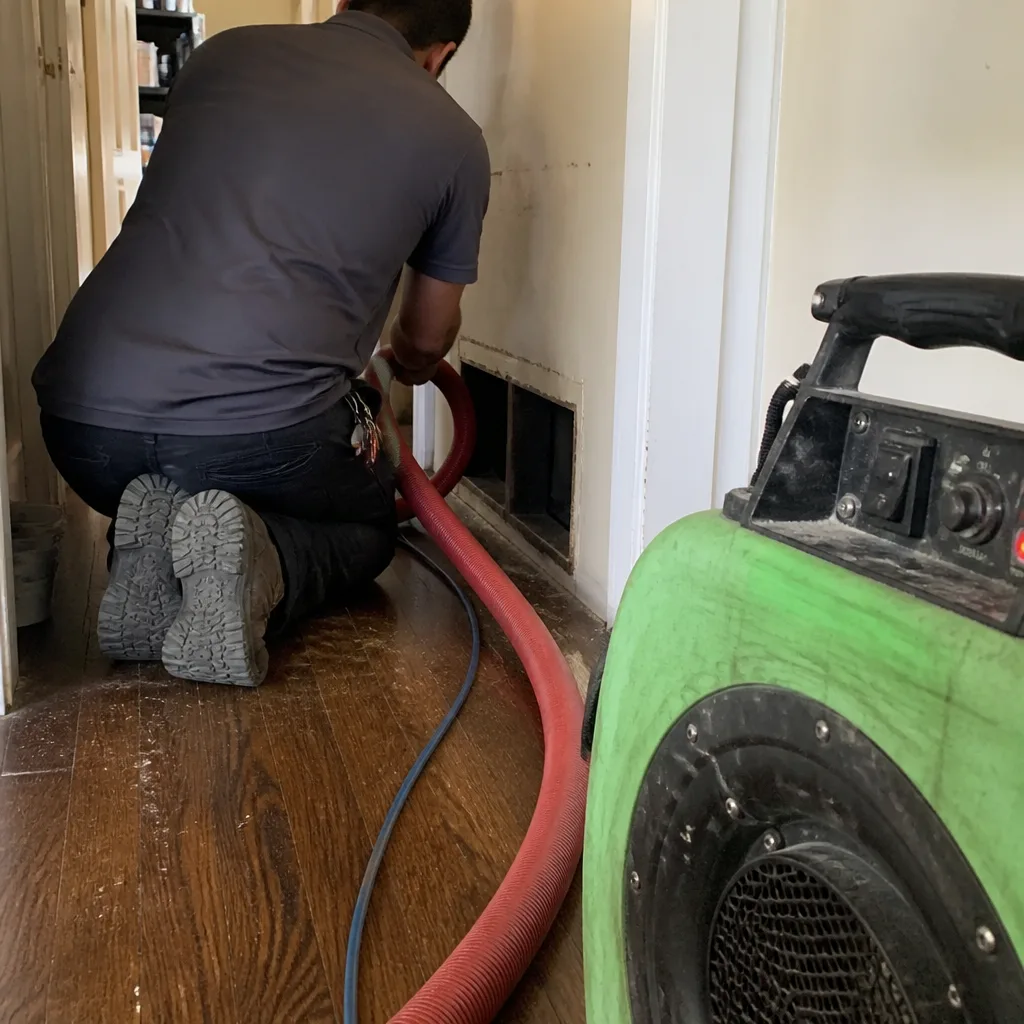
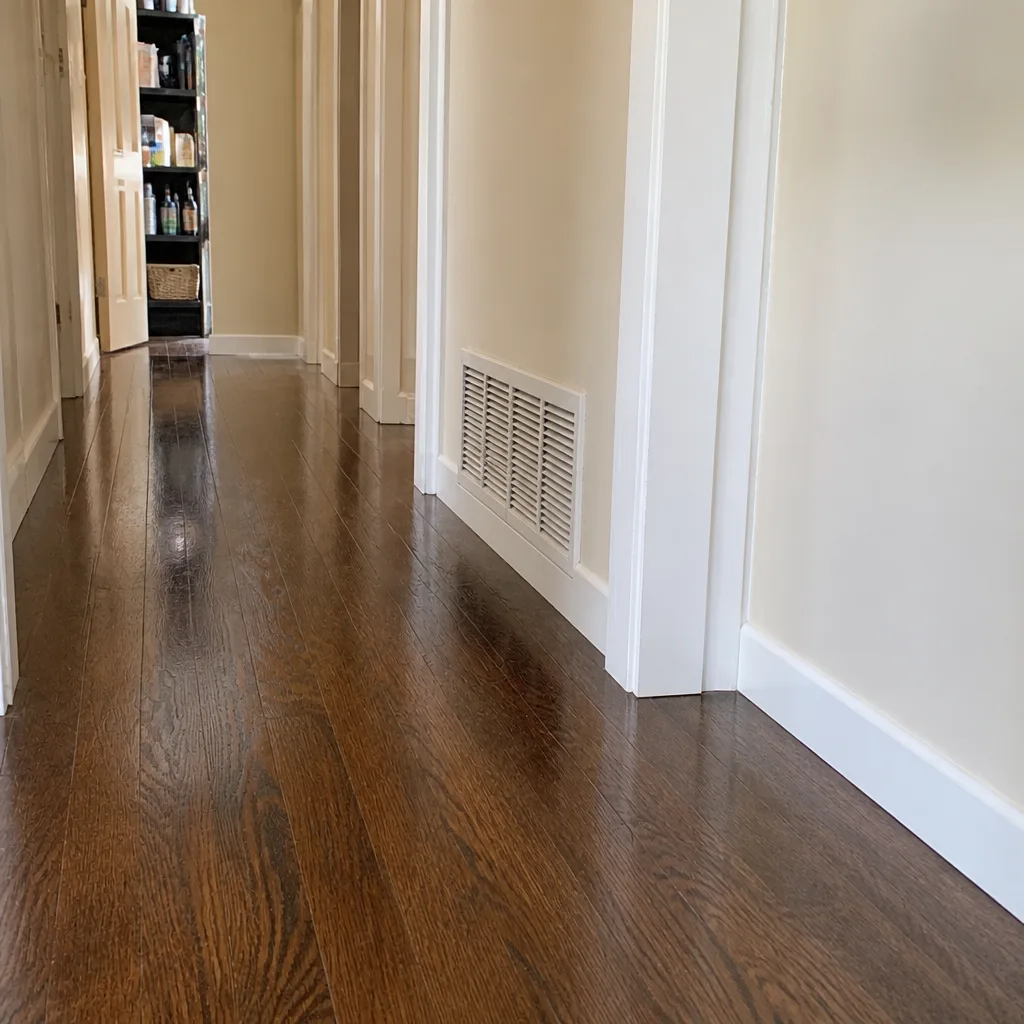
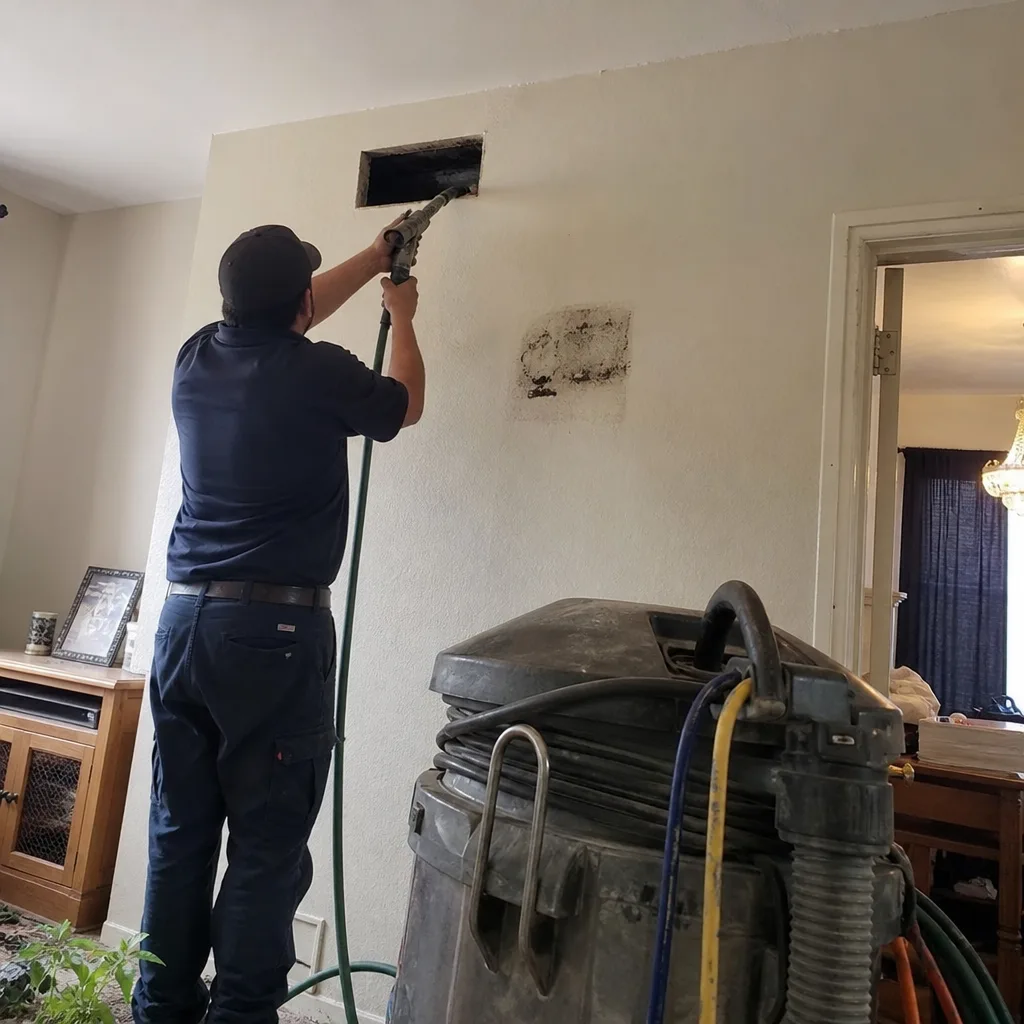
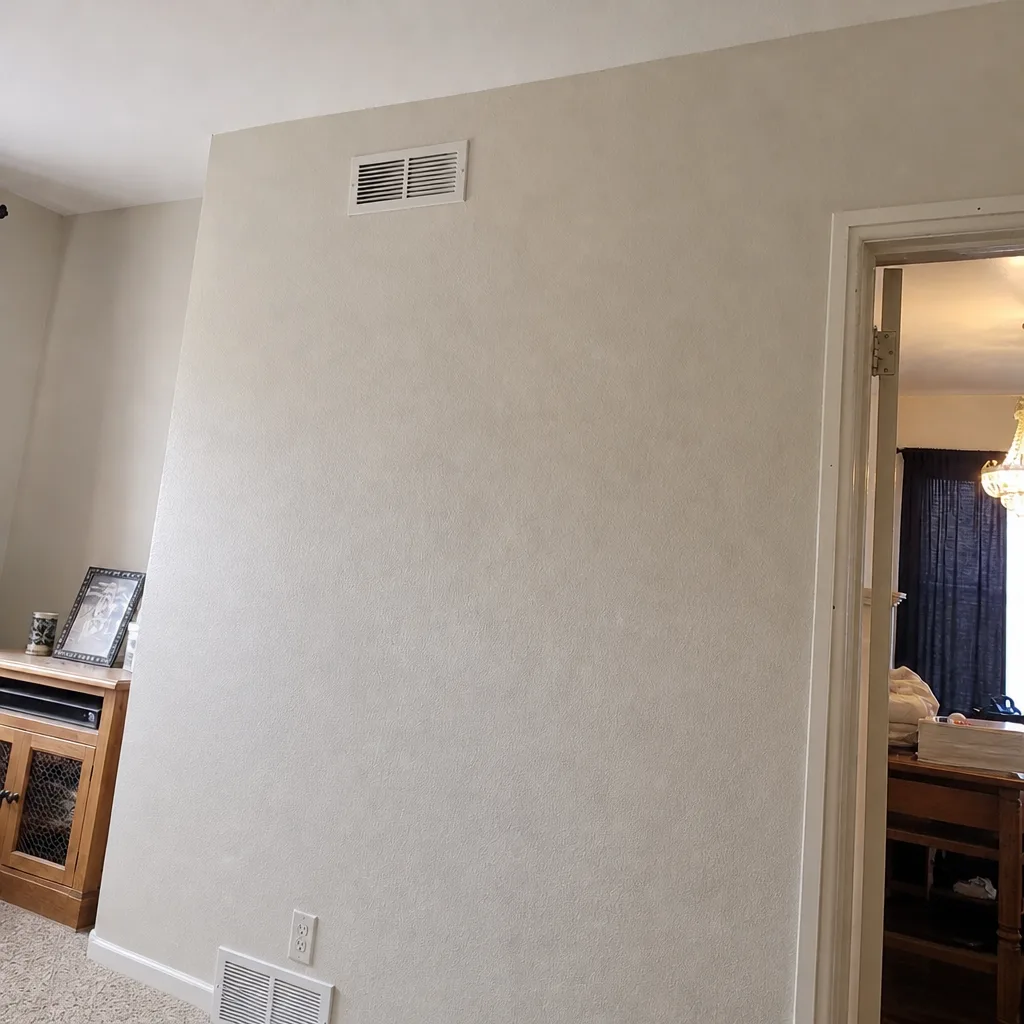
Whole-system duct and dryer vent check with before-and-after photos - you see exactly what came out of your vents
That "$99 whole-house special" is a bait ad - the real number appears once they are in your hallway, or the "clean" is a shop-vac at the register. We photograph the inside of your ducts before and after instead.
Air Duct Cleaning Permits, Codes & Inspections in Stockton, CA: What You Need to Know
Here’s the part almost nobody explains before they book the work. Cleaning the inside of your ducts, by itself, needs no permit in Stockton. The problems start the moment the job grows. A contractor sprays encapsulant on the duct walls, cuts a new return, replaces a crushed flex run, or applies an antimicrobial coating, and you’ve quietly crossed into work that California code and San Joaquin County treat far differently. This guide walks you through where those lines fall, which license tiers apply, what disclosure rules protect you, and what paperwork to demand whether a permit is involved or not. If you’ve watched a home sale or an insurance claim stall because of unpermitted duct work, you already know why this matters.
Quick Answer
Routine air duct cleaning in Stockton requires no permit under the California Mechanical Code. But duct sealing with encapsulant or mastic, duct replacement, new access panels, and any change to system configuration do trigger permit and inspection requirements in San Joaquin County, and mold remediation carries written disclosure obligations under California law. Ask your contractor which category your job falls into before work begins.
Styles & brands we work with
- Whole-home duct cleaning
- Dryer vent cleaning
- Camera inspection
- Sanitizing & deodorizing
Table of Contents
- Where California Mechanical Code and Title 24 Touch Your Ductwork
- What Scope of Work Triggers a Permit in San Joaquin County?
- Cleaning, Sealing, or Replacement: Three Different Legal Categories
- Which License Tiers Apply to Duct Work in California?
- California’s Mold Remediation Disclosure Rules
- Unpermitted Duct Modifications and Your Insurance Claim
- How Duct Work Shows Up on a Real Estate Disclosure
- The Paper Trail That Protects You Regardless of Permit Status
Where California Mechanical Code and Title 24 Touch Your Ductwork
Most homeowners assume all HVAC work lives in one bucket. It doesn’t. California splits duct work into maintenance, alteration, and replacement, and each category carries different code obligations. Understanding which bucket your job fits is the single most useful thing you can do before signing an estimate.
The California Mechanical Code governs installation, materials, joint sealing requirements, and clearances. Title 24, the state’s energy code, governs how much duct leakage is allowed to the exterior of the building envelope and how duct insulation must be rated and installed. Together they’re the reason a duct system that was legal when a Stockton house was built may not pass today if it gets modified.
Stockton makes this trickier than people expect. Summer design temperatures here run hot enough that duct systems built with minimal insulation and loose joist connections are common in older neighborhoods. When a system like that gets modified, it starts from a hard starting point. A small change can push you into territory where a corrected, code-compliant modification means more than swapping one piece of flex duct.
- Maintenance: Cleaning and inspecting existing ductwork. No permit.
- Alteration: Sealing with encapsulant, installing new access panels, rerouting branches. Permit territory.
- Replacement: Removing and reinstalling duct runs, plenums, or the entire distribution system. Permit territory, inspections required.
Our technicians have up to experience. We recommend asking any contractor to spell out which bucket their work fits. If they can’t answer without checking with someone else, that tells you something.
What Scope of Work Triggers a Permit in San Joaquin County?
Here is a plain answer to a question the internet seems determined to obscure. San Joaquin County and the City of Stockton require a mechanical permit for duct work that goes beyond cleaning and inspection. That includes replacement, new duct installation, and any sealing or repair that modifies the system configuration. Whether your specific job needs a permit depends on the permitting authority for your address, so confirm with them directly before work starts.
Stockton sits inside a patchwork of jurisdictions. Depending on where your home is, your permit may come from the City of Stockton’s Community Development Department or from San Joaquin County. The requirements are similar but the process isn’t identical. If you live in a neighborhood near the county line, you’re in one jurisdiction or the other, and the contractor needs to know which.
What commonly requires a permit in this market:
- Full or partial duct replacement (returned, supply, or both).
- Duct sealing as a system-wide energy upgrade tied to efficiency work.
- Cutting new access openings in ductwork or plenums.
- Converting from flex duct to rigid duct or vice versa.
- Modifying the system to accommodate new equipment, additions, or mini-split conversion.
- Sealing ducts inside conditioned space when it’s part of a larger remodel.
What generally does not:
- Cleaning and sanitizing existing ducts.
- Cleaning and inspecting dryer vents.
- Visual inspection and airflow measurement.
- Filter replacement or installation of filter framework.
If your contractor is unsure, call your permitting authority and ask. It’s faster than finding out after the fact.
Cleaning, Sealing, or Replacement: Three Different Legal Categories
This is the distinction most homeowners get wrong, and it’s exactly where an insurance claim can collapse. Cleaning, sealing, and replacement are not the same job, they don’t carry the same license requirements, and they don’t all require permits.
Duct Cleaning
Cleaning is maintenance. A contractor removes accumulated dust and debris from duct interiors using mechanical agitation and vacuum equipment. Nobody cuts anything, nothing is added to the system, and no permit applies. Our standard for this work uses a Rotobrush rotary brush system for mechanical agitation and a Nikro HEPA-filtered vacuum to capture dislodged material at the source, so the cleaning isn’t just blowing dust into the air. If you want to see what that process covers, we walk through it in our guide to Duct Cleaning Stockton.
Duct Sealing
This is where permits usually kick in. Sealing means applying encapsulant, mastic, or a proprietary coating to the duct walls or joints. There is a legal distinction between sealing to reduce leakage during maintenance and sealing as a system modification that changes how a duct system performs. Coating products, whether sprayed or fogged, are being added to the system, and that addition is treated as a modification. The job may or may not be a permitted alteration depending on how it’s classified, but it’s never just “cleaning.” A contractor who tells you otherwise is either confused or hoping you won’t ask.
Duct Replacement
Replacement removes and reinstalls a piece of the system. In San Joaquin County, replacement is permit territory, and it should be. Replacing ductwork changes the system’s configuration, affects Title 24 leakage compliance, and requires inspection to confirm minimum installation standards.
This is the category most often mislabeled. A contractor who quotes “cleaning” and then shows up to install new flex runs is doing replacement under a cleaning line item. Ask for the scope in writing.
Which License Tiers Apply to Duct Work in California?
California licenses HVAC work under the C-20 (Warm-Air Heating, Ventilating and Air-Conditioning) classification, held by the Contractors State License Board. Cleaning-only work often sits under a general maintenance or janitorial framework, but sealing, replacement, and any modification falls under C-20. This is why the license question matters more as your job gets bigger.
Here’s how to read the tiers correctly:
- General B license: Can contract for minor work incidental to a larger project, but not as a standalone HVAC alteration.
- C-20 Warm-Air HVAC: The correct license for duct installation, replacement, and system modifications.
- Cleaning-only: Often performed without a contractor license at all, since no construction work is occurring.
- Mold-related work: Falls under the CSLB’s mold remediation contractor rules with its own notification requirements.
The practical takeaway is simple. If your job involves the word “install,” “replace,” or “seal,” ask for the C-20. If it involves the word “clean,” you still want a contractor who can verify their scope in writing, because that verifiability is the protection.
One more point, because it comes up: a contractor who tells you they’re “licensed” without naming the classification may still be a fine outfit, but they may also be handing you a general license number that doesn’t cover the work they’re performing. Check the license classification on the CSLB website, not just the number. It takes two minutes.
California’s Mold Remediation Disclosure Rules
California has some of the most specific mold-related disclosure requirements in the country, and they apply directly to the antimicrobial treatments some duct cleaning companies push hard to upsell. The big one: a contractor who performs mold remediation must give you written notice before starting work, describing the scope, the methods, and importantly, whether they’ve been independently certified as a mold remediation contractor.
Here’s what most homeowners don’t know. Arizona-based firms and national franchises operating in Stockton often skip this step because they don’t know the state requires it. When that happens, you end up with an invoice that may not hold up if there’s ever a dispute about the work.
If a contractor proposes applying any antimicrobial fog, spray, or coating to your ducts, ask for:
- Written notification of what is being applied by product name.
- The contractor’s CSLB license classification.
- Whether they are independently certified for mold remediation work.
- Safety data sheets for the product being used.
- A clear statement that the treatment is (or isn’t) a mold remediation activity under state definitions.
Real duct cleaning under professional containment, using HEPA filtration and negative air pressure, prevents the dislodged material from becoming an indoor air problem during the job. Our Abatement Technologies air-containment equipment is the remediation standard applied to everyday duct cleaning. If a contractor isn’t using containment, the disclosure question becomes a much bigger deal than it should be.
Unpermitted Duct Modifications and Your Insurance Claim
Most homeowner policies have an exclusion for damage caused by unpermitted work, and while duct work sits in a gray zone, insurance companies have gotten more aggressive about enforcing disclosure in recent years. The exact effect depends on the policy and the claim, but the mechanics are worth knowing.
Here’s how a claim typically goes wrong. A fire or water damage event traces to HVAC-related causes. The adjuster pulls the permit history. If a duct replacement or sealing job was performed without a permit but required one, the insurer may decline coverage for the portion of loss tied to that work, or may investigate whether the modification was done to code at all. That’s an unpleasant conversation to have after the fact.
Life-safety systems deserve their own category. Duct runs that connect to gas-fired equipment or serve as combustion air supply need to be installed correctly. If a modification interferes with combustion air, that’s not just a code violation. It’s a genuinely dangerous condition, and it needs to be reviewed by a licensed HVAC contractor before anyone touches the system again.
Dryer vents belong here too. They’re part of the airflow chain, they’re a leading cause of home fires, and unpermitted modifications to dryer vent routing are a common insurance red flag. If your dryer vent terminates somewhere unusual, the dryer vent cleaning visit is the moment to check the routing. It’s also the moment to confirm it was legally installed.
What you want in your file:
- The permit number if one was pulled, or the contractor’s written statement that none was required.
- Before-and-after photos of the actual ductwork in your home.
- A written scope describing what was done.
- The contractor’s license classification for the work performed.
None of this is complicated. All of it is nearly impossible to reconstruct after the fact. Get it at the time of service.
How Duct Work Shows Up on a Real Estate Disclosure
California’s Transfer Disclosure Statement doesn’t have a duct work line item. That’s why duct issues get discovered differently. They surface in the home inspection, the HVAC inspection, and, more often than buyers expect, in the seller’s awareness of previous work during the transaction.
What typically happens in a Stockton home sale: the buyer’s inspector notes modified ductwork with no permit record. The buyer’s agent asks for documentation. If none exists, the deal either stalls or the seller gets a repair credit offer that eats into proceeds. Real estate agents in this market know this pattern, and it’s one more reason documentation matters more than whether a permit was technically required.
The disclosure issues that actually matter at sale time:
- HVAC work performed without permits, discoverable through the permit history search.
- Mold remediation reported without required written notification.
- Duct modifications that changed the system capacity calculation from the original design.
- Dryer vent routing changes that don’t meet current code.
If you’re selling a Stockton home and you’ve had duct work done, gather the documentation now. Pull the permit history for your address. If there’s an unpermitted modification on record, talk to a C-20 contractor about whether it can be brought into compliance. It’s a much easier conversation before the buyer’s inspection than after.
The Paper Trail That Protects You Regardless of Permit Status
Permit or no permit, the paperwork you gather protects you in several ways. It protects you if a system performance issue surfaces two years later. It protects you if you sell the home. It protects you if an insurer asks questions. And it protects you if you ever need to make a warranty claim against the original installation.
Insist on the following from any contractor performing duct work in Stockton:
- Written scope before work begins. A paragraph, not a coupon. What’s being done, to what, and with what equipment.
- Contractor’s CSLB license number and classification. Verifiable on the CSLB website.
- Equipment list. Professional systems, named. If they can’t name the equipment, they probably don’t own it.
- Before-and-after photos of your own ducts. Not stock images. Yours.
- Permit documentation, if applicable. Number, date, and inspection sign-off.
- Disclosure notice if any antimicrobial or encapsulant was applied. Required in California.
- Invoice itemized by activity. “Full system cleaning” as a single line item is a red flag.
- Post-service summary of anything found. This is where duct repair needs surface honestly instead of as a surprise.
Equipment matters here too. When a contractor is working with professional rotary brush and HEPA vacuum systems, they can tell you exactly what was captured and from where. When they’re working with improvised equipment, the story gets vague quickly. Our choice of Rotobrush and Nikro systems and Abatement Technologies HEPA containment is partly about cleaning quality and partly about being able to give you a verifiable record of what was done. Familiarity with Honeywell and Aprilaire IAQ components matters here as well, because duct work and filtration systems interact, and the documentation should reflect both.
Common Mistakes to Avoid
- Assuming duct sealing is just an upgrade. Encapsulant and mastic applications change the system and can trigger permit requirements. Ask which category your job is in before signing.
- Accepting “we’re licensed” without the classification. A general license number doesn’t authorize duct installation or replacement. Ask for the C-20.
- Skipping the mold disclosure conversation. If a contractor wants to apply antimicrobial treatment without written notice, walk away. California requires the notice, and the absence of it is a signal.
- Not pulling the permit history on a Stockton home before buying. Duct modifications don’t always show up in the TDS, but they show up in the permit search, and the buyer’s inspector will find them.
- Taking the cheapest quote on a bundled job. A low teaser price on duct cleaning that quietly becomes a duct replacement is the most common bait-and-switch in this market. Ask for whole-system pricing and a written scope.
- Ignoring the dryer vent. It’s part of the airflow system, it’s a fire hazard when blocked or improperly routed, and it deserves the same documentation as the rest of the ductwork.
- Not documenting a permitted job. Even when the job was done right, missing documentation turns into a repair credit at sale time. Keep the permit number and inspection sign-off together.
See the difference
 Before
 After
 Before
 After
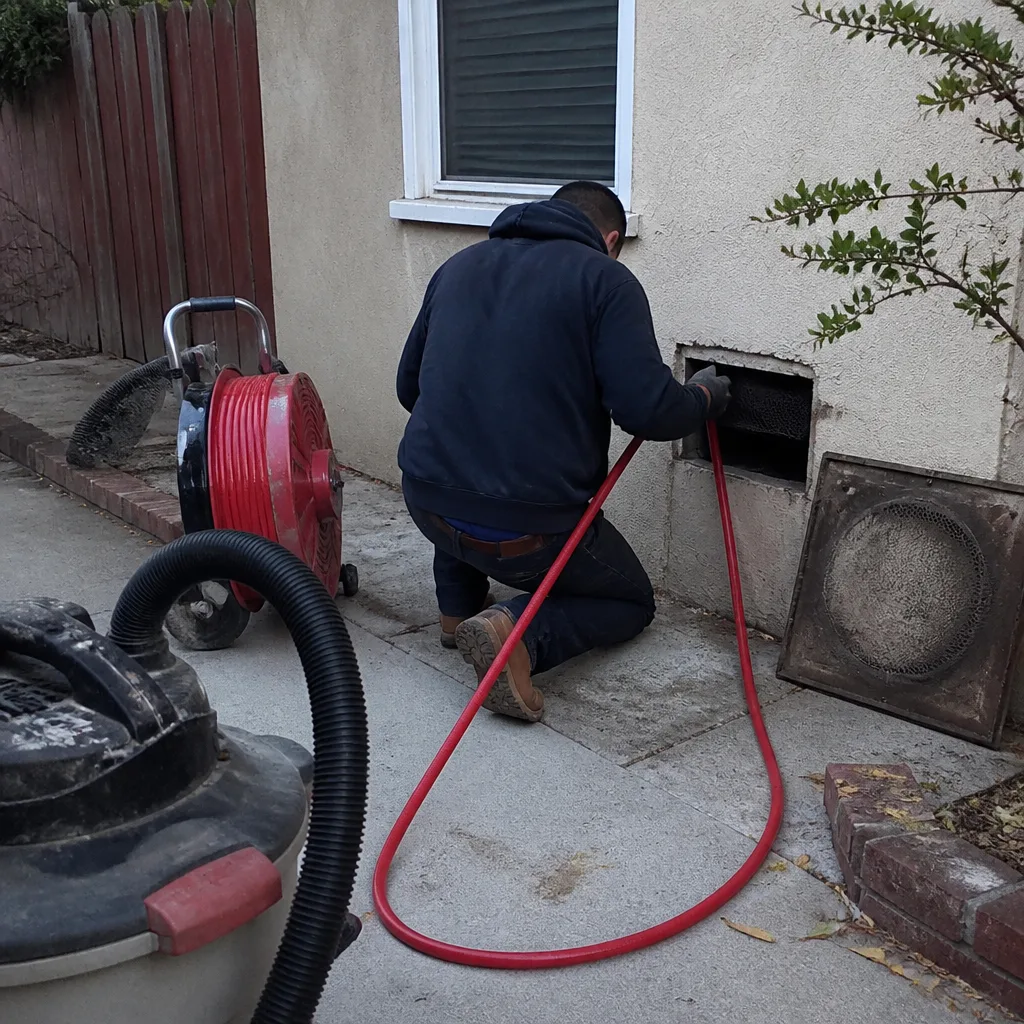 Before
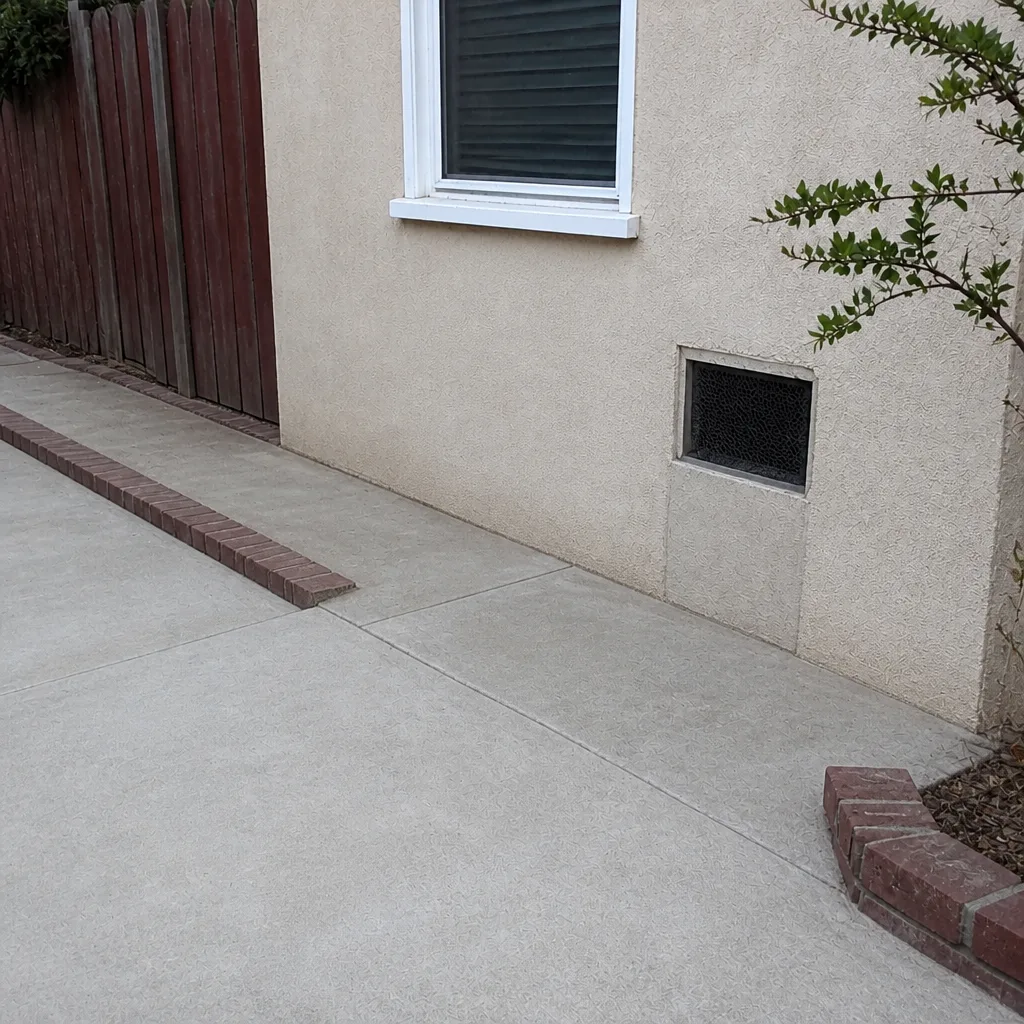 After
When to Call a Professional
If you’ve noticed musty odors from the vents, visible dust on the supply registers, or reduced airflow at specific rooms, the airflow chain needs a look. If you’ve finished a renovation and want to verify what got into the ducts, professional containment matters. If your dryer is taking two cycles to dry a load, the vent routing should be checked. If you’re buying a Stockton home and the inspector flagged modified duct work, get the permit history and a C-20 contractor’s opinion before you close. And if a contractor wants to seal, coat, or replace ducts, confirm the license classification and permit requirements in writing first. Duct Cleaning Stockton offers free estimates in Stockton – call (855) 263-2873.
Frequently Asked Questions
No. Routine air duct cleaning is maintenance and requires no permit under the California Mechanical Code. The permit requirement kicks in when the work goes beyond cleaning, such as sealing with encapsulant, replacing duct runs, or cutting new access panels.
Cleaning removes material from existing ducts. Sealing adds product to the system, which is treated as a modification, and modifications carry permit and licensing obligations. Ask your contractor to state in writing which category the job falls into before work starts. If the answer is vague, call (855) 263-2873 for a second opinion.
Yes. Duct replacement is permit territory in San Joaquin County and the City of Stockton, and inspections are required to confirm installation standards and Title 24 compliance. Ask for the permit number before the work begins, not after.
The C-20 Warm-Air Heating, Ventilating and Air-Conditioning license from the Contractors State License Board covers duct installation, replacement, and modification. Cleaning-only work often doesn’t require a contractor license. Verify the classification on the CSLB website, not just the license number.
A contractor performing mold remediation must provide written notice before work begins, describing the scope, methods, and whether they hold an independent mold remediation certification. If a contractor proposes applying antimicrobial treatment to your ducts without that notice, ask why in writing. For a legitimate inspection and estimate, call (855) 263-2873.
They can reduce or void coverage on losses tied to the modified work, and they surface during real estate transactions through the permit history even when the Transfer Disclosure Statement doesn’t name them. Documentation, before-and-after photos, and permit records are the protection. If you’re uncertain about a Stockton home’s duct history, a free estimate with a C-20 contractor is a useful first step.
The Bottom Line
Cleaning your ducts doesn’t need a permit in Stockton. Sealing, replacing, or modifying the system does, and California’s mold disclosure rules apply the moment an antimicrobial product enters the conversation. The three legal categories (cleaning, sealing, replacement) carry different license tiers, different permit requirements, and different implications for your insurance and the eventual home sale. Get the scope in writing. Get the license classification. Get the before-and-after photos and any permit number. None of that is complicated, and all of it protects you. Same-day service is available for most jobs, and if you’ve got duct work in front of you and want honest guidance about what it requires, we can walk you through it. Visit our Stockton page or call us directly.
Call (855) 263-2873. We answer 24/7. Fast dispatch from 7am to 7pm, Sunday through Friday. Estimates are free, and the price is set per job by the written estimate.
Written by the team at Duct Cleaning Stockton.