
Last updated November 16, 2026
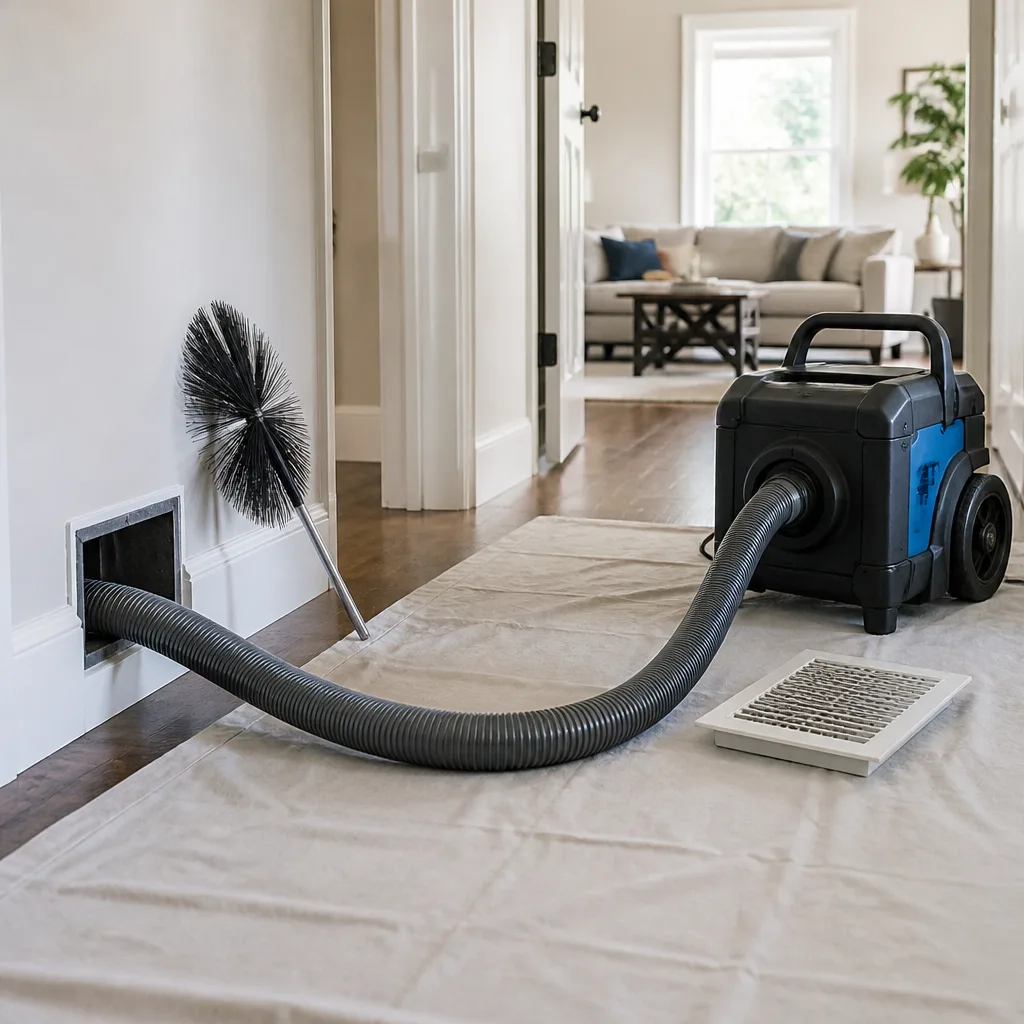 Whole-home duct cleaning
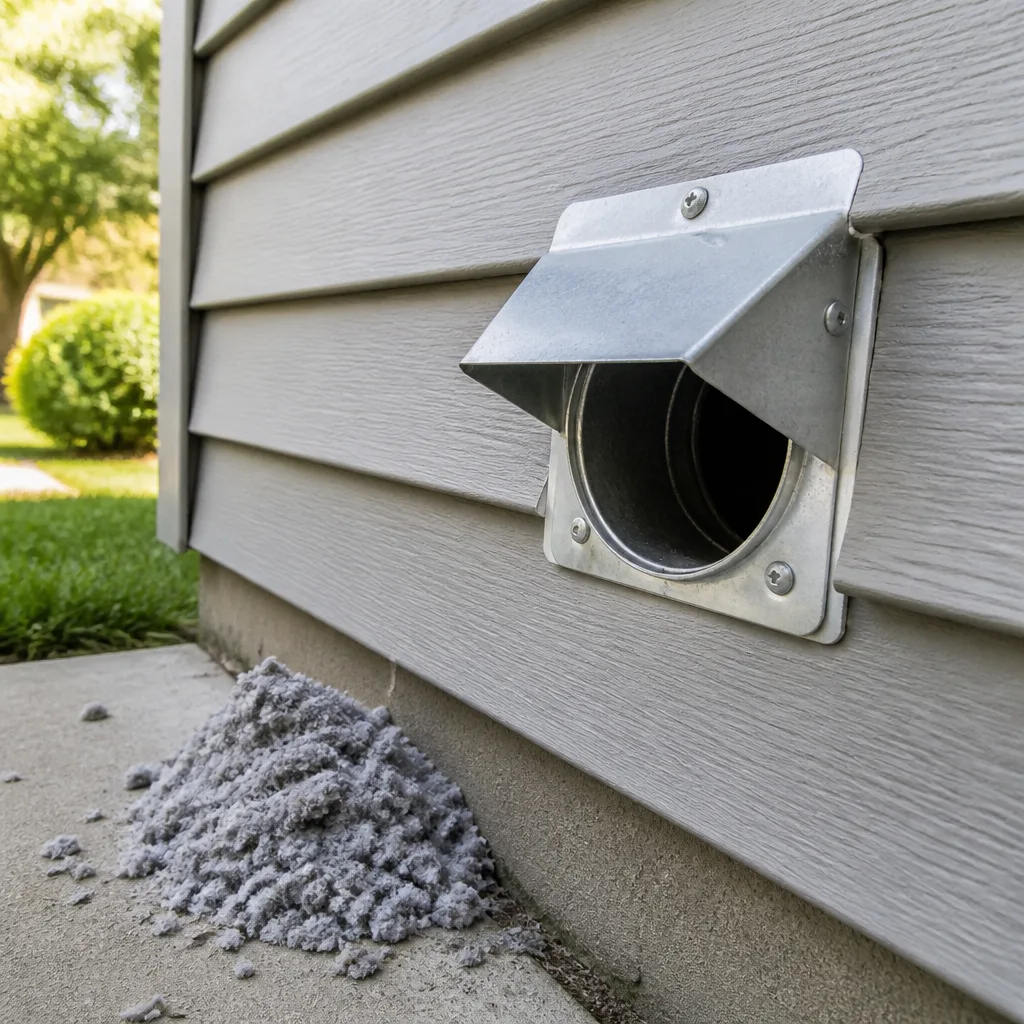 Dryer vent cleaning
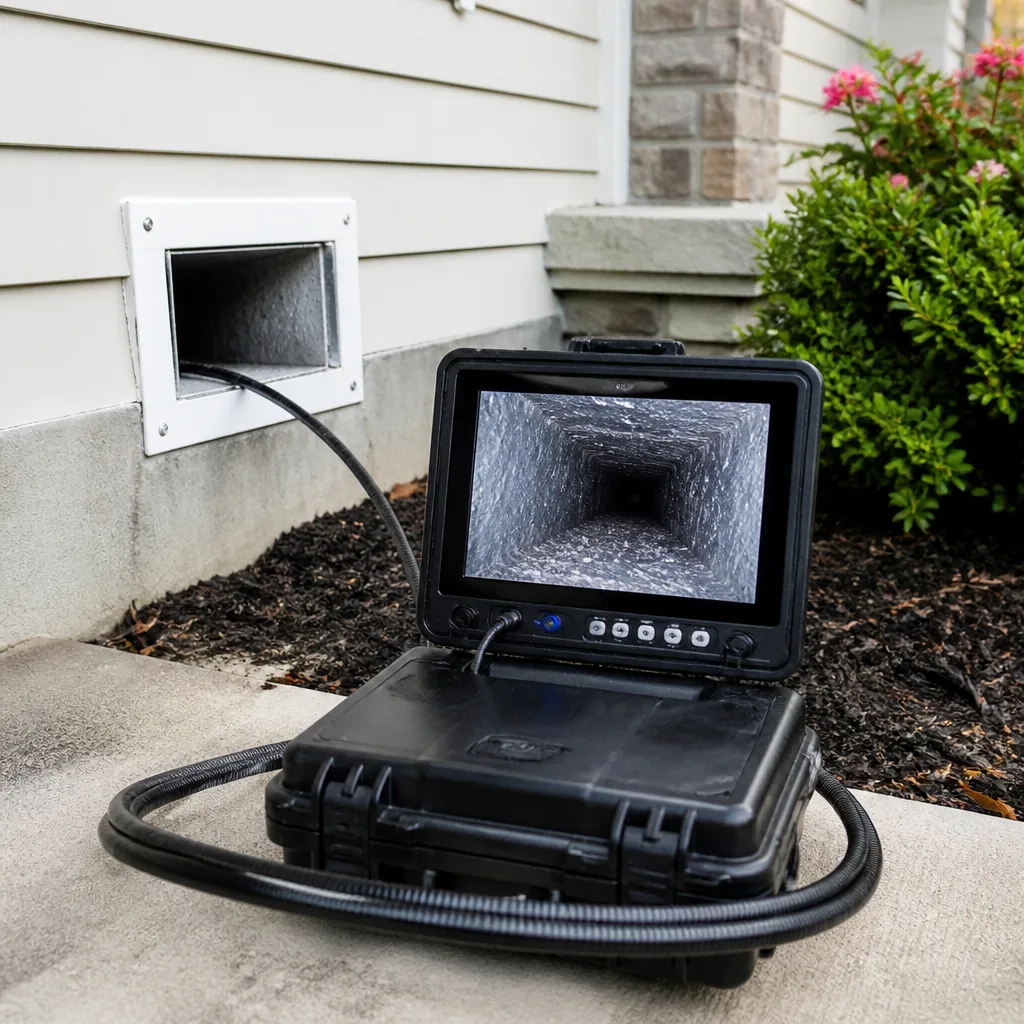 Camera inspection
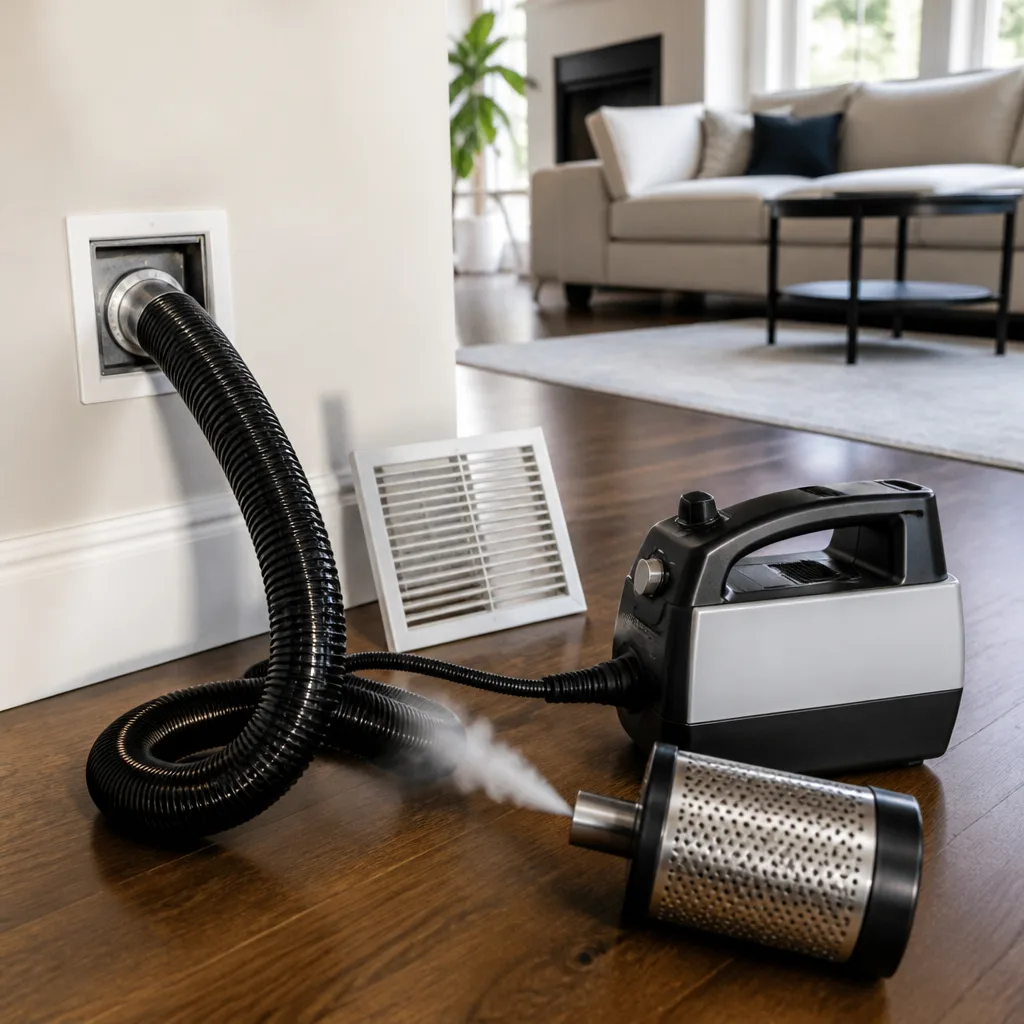 Sanitizing & deodorizing
Whole-system duct and dryer vent check with before-and-after photos - you see exactly what came out of your vents
That "$99 whole-house special" is a bait ad - the real number appears once they are in your hallway, or the "clean" is a shop-vac at the register. We photograph the inside of your ducts before and after instead.
Air Duct Cleaning Warning Signs: A Stockton Homeowner’s Reference Guide
A sudden increase in dust on furniture isn’t evidence your ducts need cleaning. It’s evidence your ducts have already failed to contain what’s inside them, and the distinction changes what you do next. Most homeowners in Stockton read the symptom and skip the cause. They see dusty registers, assume “dirty ducts,” and book whichever coupon shows up first. That’s how people end up paying to have the wrong problem cleaned. This guide maps each visible warning sign to the actual duct condition producing it, so you know what you’re looking at before you call anyone.
Quick Answer
The core warning signs of duct problems in a Stockton home are dust patterns that reappear within days of cleaning, uneven airflow between rooms, odors that change with the HVAC cycle, and rising electricity bills paired with longer run times. Each sign points to a different mechanical cause, and only some are solved by cleaning. The rest need duct repair, a filter upgrade, or an HVAC technician.
Styles & brands we work with
- Whole-home duct cleaning
- Dryer vent cleaning
- Camera inspection
- Sanitizing & deodorizing
Table of Contents
- Register Dust Patterns: Three Causes, Three Fixes
- Airflow Imbalance Between Rooms
- Odor Diagnostics: Mildew, Burning Dust, and Chemical Smells
- Rising Electricity Bills and Longer Run Times
- Post-Renovation Contamination in Lincoln Village and Brookside
- Your Dryer Vent Is Part of the Same System
- What a Professional Inspection Actually Checks
- Common Mistakes to Avoid
Register Dust Patterns: Three Causes, Three Fixes
Dust blowing out of a supply register can come from three completely different sources, and telling them apart is the first real diagnostic step. The pattern on the register face and the wall around it usually tells you which one you have.
Cause one: debris ejected from inside the ductwork. If the dust is coarse, gray-brown, and concentrated in streaks radiating from the register slots, it’s being pushed out of the duct itself. That’s accumulated debris in the branch line getting lifted by airflow and deposited at the nearest exit. The fix is mechanical cleaning of the duct interior with a rotary brush system and simultaneous HEPA extraction, which is what we run with Rotobrush and Nikro equipment. Wiping the register does nothing, because the source is upstream.
Cause two: filter bypass. If the dust is fine, uniform, and shows up on horizontal surfaces throughout the room rather than just at the register, the filter is probably undersized or not seated properly in its frame. Air takes the path of least resistance, and a gap around a filter edge lets unfiltered air straight into the blower and out every supply. The fix is a correctly sized filter and a sealed frame, sometimes an upgraded cabinet. A Honeywell or Aprilaire filter cabinet resolves this properly where a drop-in filter can’t.
Cause three: construction infiltration. If dust appeared after nearby work and looks like drywall powder or a pale chalky film, it entered the return side during construction and settled through the system. The fix is cleaning, but it must be a contained cleaning. Loose drywall dust disturbed without negative air pressure just redistributes through the house. We set up Abatement Technologies negative-air containment for exactly this reason.
One diagnostic tip before you call anyone: clean one register thoroughly and watch it. A register that stays clean for weeks points to a filter or infiltration issue. One that’s dusty again in days points to the duct interior.
Airflow Imbalance Between Rooms: What Partial Blockage Looks Like
Some rooms always colder in summer, always warmer in winter, or noticeably weaker at the register than the rest of the house. Homeowners usually blame the HVAC unit. Most of the time it’s a restriction in a branch line.
Supply runs branch off the main trunk and travel through walls and attics to reach each room. Each branch has limited pressure behind it. Add resistance anywhere along that run and the room at the end of it loses airflow first. Common restrictions include:
- Flex duct that’s sagged, kinked, or crushed behind a wall or in the attic
- Debris accumulation at a branch takeoff, which narrows the opening over time
- A disconnected or slipped joint leaking air into a wall cavity instead of the room
- An interior flex liner that has collapsed or torn loose from its outer jacket
- Too many supply runs tapped off one trunk, which starves the furthest branches
You can test this without opening anything. A handheld anemometer held at each register gives you a cubic-feet-per-minute reading. If one register reads far below the others, the problem is in that branch, not at the air handler. That single reading tells a technician whether to inspect, repair, or clean first.
In Stockton, we’ve seen this most often in older homes where flex duct runs through a hot attic. Heat and age soften the inner liner, and a partially detached liner acts like a flap inside the duct, closing under airflow. It’s a repair problem, not a cleaning problem, and no amount of cleaning fixes a collapsed liner.
Odor Diagnostics: Mildew, Burning Dust, and Chemical Smells
Odor is the most misread warning sign of the three. Each smell type has a distinct cause, and treating the wrong one wastes money. Here’s how to sort them.
Mildew or musty smell. This usually means biological growth, and in residential ductwork the most common location is the internal liner of flex duct. Flex duct has a porous inner surface, and once moisture gets into that liner it stays. The smell tends to be strongest when the system starts up after being off, because that first air movement pushes spores off the surface. Cleaning can remove surface growth, but a saturated liner often needs replacement rather than cleaning. A technician should tell you which one you’re dealing with, honestly.
Burning dust smell. If this appears on the first heating cycle of the season and fades within a day, it’s dust burning off the heat exchanger. That’s normal and it’s not a duct cleaning sign. If the smell persists for days, it’s not dust, and it needs an HVAC technician, not a duct cleaner. Treat persistent burning smells as a safety matter and have the unit checked.
Chemical or plastic smell. New duct materials, sealants, and flex duct liners off-gas for a period after installation or renovation. The smell tends to be strongest right after the system runs for the first time in a newly ducted space. It fades on its own. If it doesn’t, or if the smell appeared without any recent work, that’s worth a professional look.
Our advice is simple. Note when the smell occurs, whether it’s tied to startup, and how long it lasts. That pattern does more diagnostic work than the smell itself.
Rising Electricity Bills and Longer Run Times: When It’s Ducts, When It’s Not
A rising electricity bill with longer run times sits at the intersection of three possible causes: duct restriction, refrigerant problems, or a dirty coil. Homeowners often assume ducts. Sometimes they’re right.
The duct pattern looks like this: the system runs longer than it used to, the house still doesn’t feel fully conditioned, but the air coming out of the registers is still cold (in summer) or warm (in winter). That combination points to airflow restriction, meaning the unit is producing conditioned air but can’t move it efficiently. Look for:
- Leaking ducts. Disconnected joints and failed tape in an attic run push conditioned air into the attic instead of the house. The unit works harder for less cooling. This is common in Stockton homes where duct tape has aged in a hot attic over many summers.
- Restricted branch lines. Debris or a kinked run limits flow, raising static pressure and forcing the blower to work harder.
- Undersized return. A return that’s too small for the system chokes airflow on the intake side and raises energy use across the whole system.
The non-duct pattern looks different: the air coming out of the registers has weakened temperature, not just weakened volume. That points to a refrigerant charge issue or a coil that needs cleaning, and it’s a job for an HVAC technician, not a duct cleaner. We’d rather tell you that plainly than sell a cleaning that won’t fix your bill.
Our technicians have up to experience reading exactly this distinction, and this is where a proper inspection saves you money before any cleaning starts.
Post-Renovation Contamination in Lincoln Village and Brookside
Post-renovation homes in neighborhoods like Lincoln Village and Brookside frequently show a specific pattern: insulation fiber contamination inside the supply runs. Here’s why.
In these neighborhoods, older housing stock is common, and renovation often involves opening walls, reworking attics, and disturbing insulation that’s decades old. During that work, the HVAC system’s return side becomes an unintentional vacuum. Every time the system cycles on while trades are working, it pulls airborne dust, drywall particles, and loose insulation fibers into the return and pushes them through the supply runs. Insulation fibers are light, they stick to duct walls, and they don’t blow out on their own.
The signs to look for after a renovation:
- Visible fiber or pale particulate inside registers during a visual check
- Dust that reappears quickly after cleaning living surfaces
- System performance that dropped noticeably during or after the work
- A musty or dusty smell that started when the renovation started
The fix is contained cleaning with negative air pressure. This is where equipment matters most. Abatement Technologies negative-air units keep dislodged fibers captured at the source rather than floating them through the home. We also deploy Guardsman surface protection on-site so floors and furnishings are covered while equipment is running.
If you’re planning a renovation or have just finished one in Stockton, a duct cleaning after the work is complete, not during, is the correct sequence. Doing it mid-renovation means re-contaminating the ductwork on day two.
Your Dryer Vent Is Part of the Same System
Homeowners think of the dryer vent as separate from the air ducts. It isn’t. It’s part of the same airflow chain and suffers the same restriction problems, but with a fire risk attached.
Lint accumulates in a dryer vent the same way debris accumulates in a duct, and it restricts airflow the same way. The difference is that lint is combustible. A restricted dryer vent overheats the dryer and can ignite the lint itself. It’s a leading home fire cause, and it’s preventable.
The warning signs:
- Clothes take longer than one cycle to dry
- The dryer body gets hot to the touch during a cycle
- Lint collects around the lint trap instead of inside it
- The exterior vent flap doesn’t open fully, or opens weakly
- A musty or damp smell from the laundry area
We treat dryer vent cleaning as a core service, not an add-on, because a system that cleans ducts but ignores the dryer vent is only doing half the job. dryer vent cleaning uses the same brush-and-extract approach applied to duct interiors, run from the dryer out to the exterior termination point.
For the ductwork itself, professional air duct cleaning runs on the same equipment principle: rotary agitation on the walls, HEPA extraction capturing what comes loose. Duct Cleaning Stockton is our main service page if you want to see the full process and pricing structure.
What a Professional Inspection Actually Checks
A real inspection is not a technician walking around with a flashlight and saying “yep, dirty.” It’s a structured check of specific components. Here’s what it should cover.
- Visual interior check of supply and return runs using a camera and light source to see the actual duct wall condition, not just the register.
- Static pressure measurement at the air handler, which reveals restriction on both the return and supply sides.
- Register-by-register airflow readings with an anemometer to identify which branches are starved and by how much.
- Joint and connection inspection for disconnected runs, failed tape, or leaked air into wall and attic cavities.
- Flex duct condition check for kinks, sagging, crushed sections, and detached or collapsed liners.
- Filter and cabinet inspection for correct sizing, seal, and any bypass around the filter frame.
- Dryer vent inspection from the dryer connection to the exterior termination.
You should see before-and-after photos of your own ductwork, not stock photos from a brochure. We photograph the interior before cleaning and after, and you keep the images. That’s how you verify the work was actually done. Ask for it from any company. A technician who can’t show you the inside of your duct before and after is asking you to take the work on faith.
If you’re weighing providers, our page on Stockton covers how we handle jobs in this city specifically, and it’s a sensible place to start if you’re comparing quotes.
Common Mistakes to Avoid
- Assuming “dirty ducts” is a single diagnosis. Dust, airflow, odor, and energy symptoms trace to different causes. Treat each separately or you’ll pay to clean the wrong system.
- Hiring on coupon price alone. A low teaser price that balloons once the technician arrives is a known pattern in this trade. Insist on one flat price per system, agreed in writing before any work starts.
- Cleaning during a renovation. If the work is still ongoing, you’ll re-contaminate the ductwork within days. Wait until construction is complete, then call.
- Wiping registers instead of diagnosing the duct. Cleaning the register face doesn’t touch the source. Watch whether dust returns in days or weeks to know what’s upstream.
- Ignoring a persistent burning smell. A burning smell on the heating cycle that doesn’t fade within a day is not a duct sign. Have the HVAC unit checked for safety.
- Skipping the dryer vent entirely. A clean duct system with a blocked dryer vent still carries a fire risk. Both parts of the airflow chain need attention.
- Choosing a cleaning that isn’t contained. Without negative air pressure and HEPA extraction, dislodged debris redistributes through the house. Containment is the difference between cleaning and rearranging.
When to Call a Professional
Call a professional when warning signs cluster rather than appear alone. A single dusty register is not urgent. A dusty register that reappears within days, paired with a rising electricity bill, a room that won’t cool, and a persistent smell, is a system problem that needs a proper inspection. Also call after any renovation that involved opening walls or disturbing insulation, and call for the dryer vent once a year regardless of how the ducts look.
Don’t call if the air coming out of your registers has lost its temperature, not just its volume. That’s a refrigerant or coil issue and belongs with an HVAC technician. A reputable duct cleaning company will tell you that straight. Duct Cleaning Stockton offers free estimates in Stockton, and you can book a technician by calling (855) 263-2873. We answer 24/7. Fast dispatch from 7am to 7pm, Sunday through Friday.
See the difference
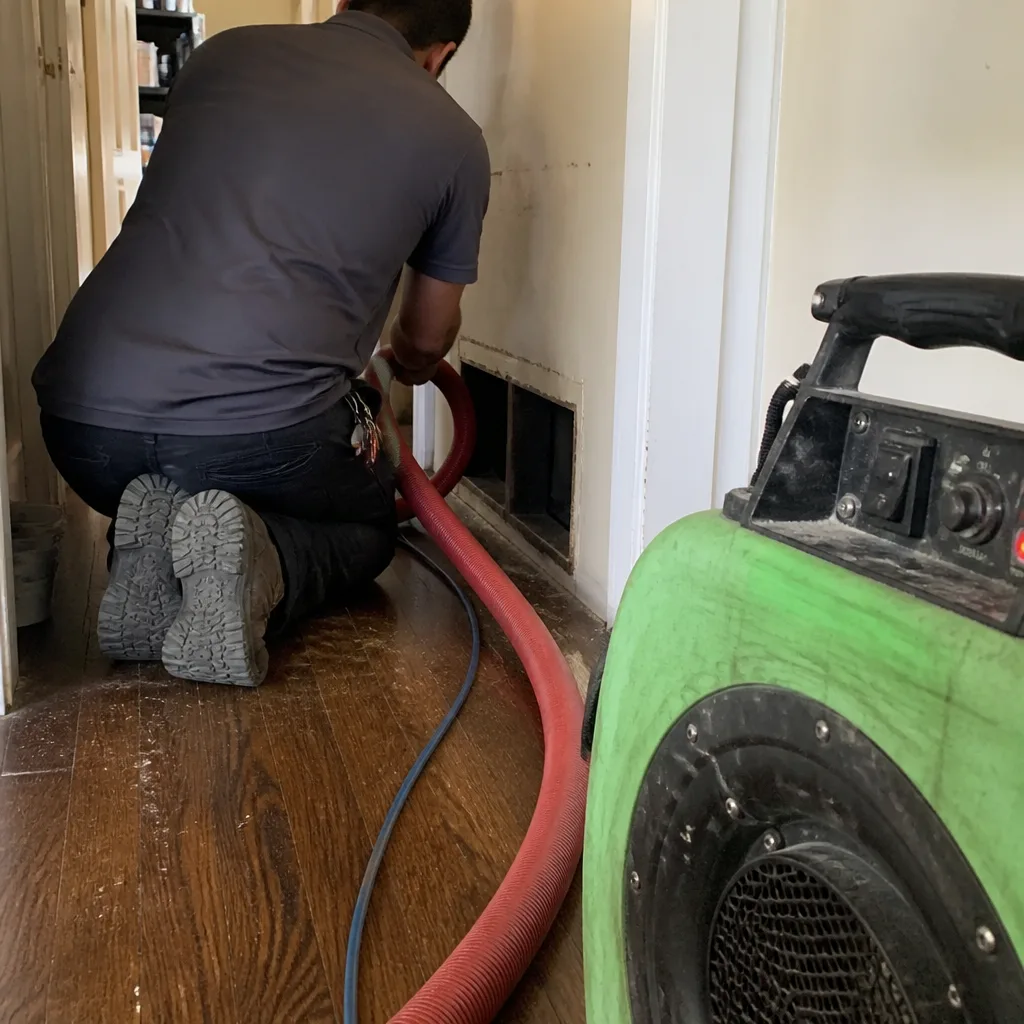 Before
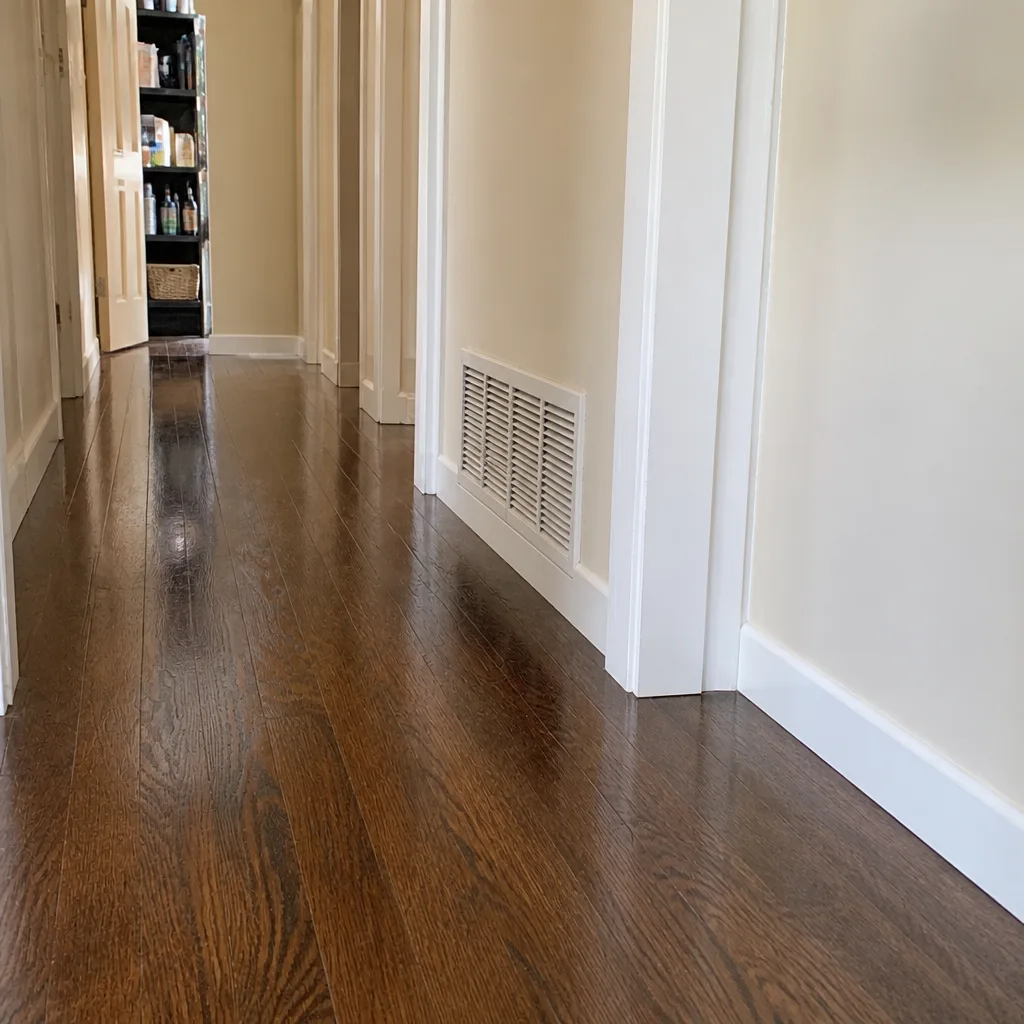 After
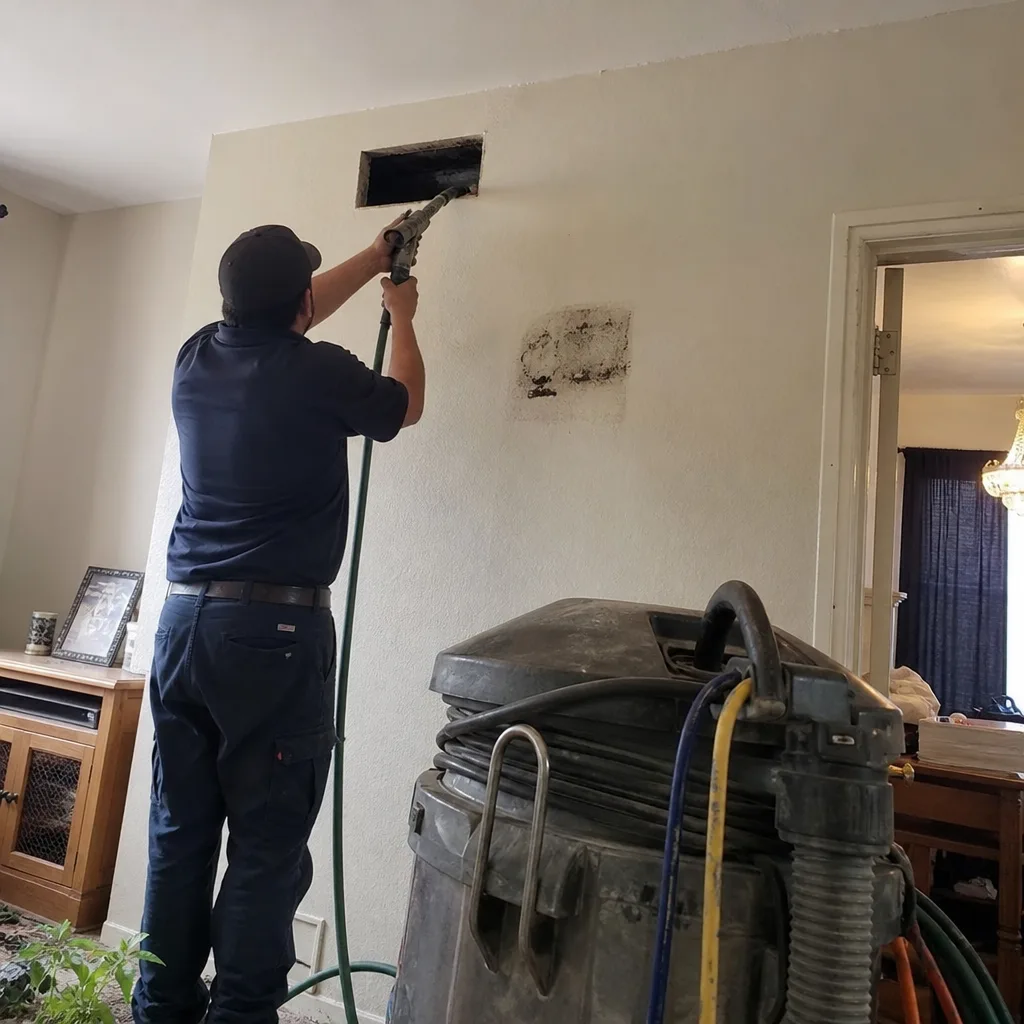 Before
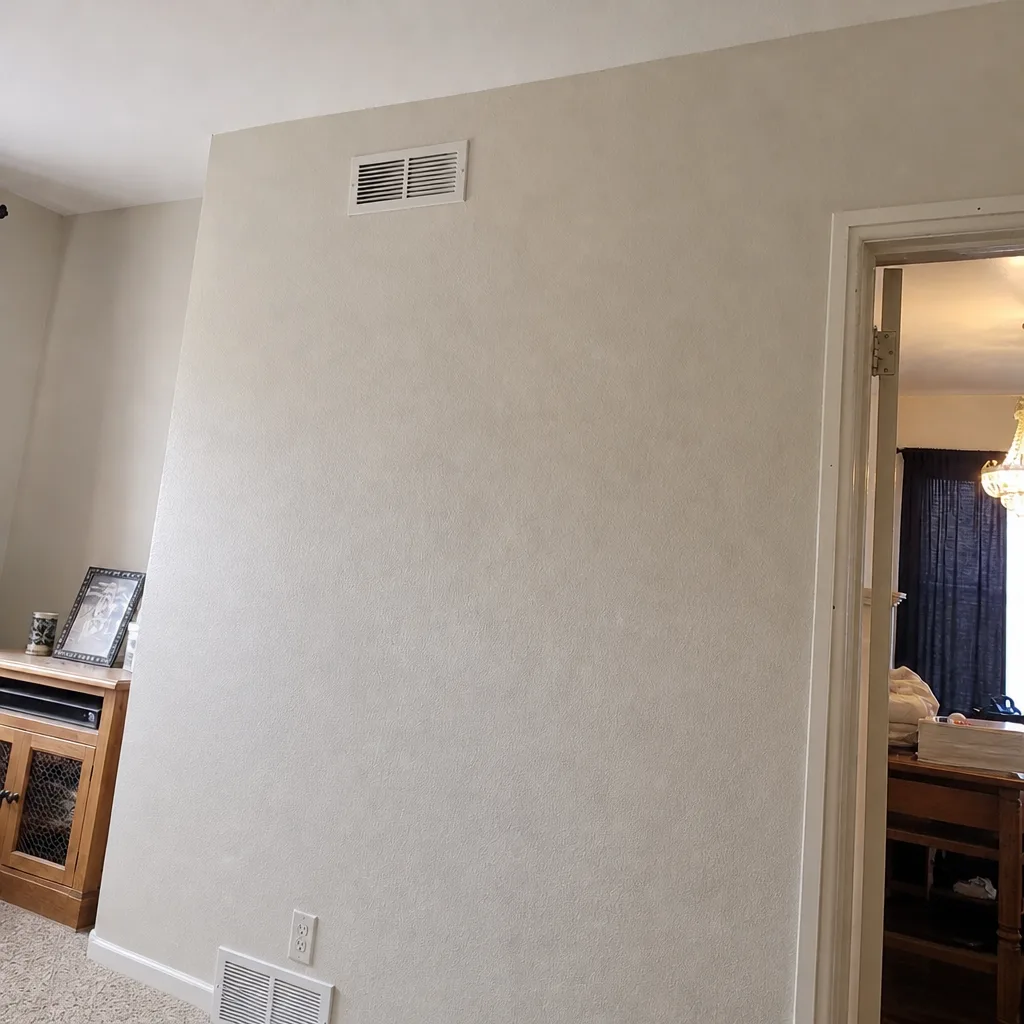 After
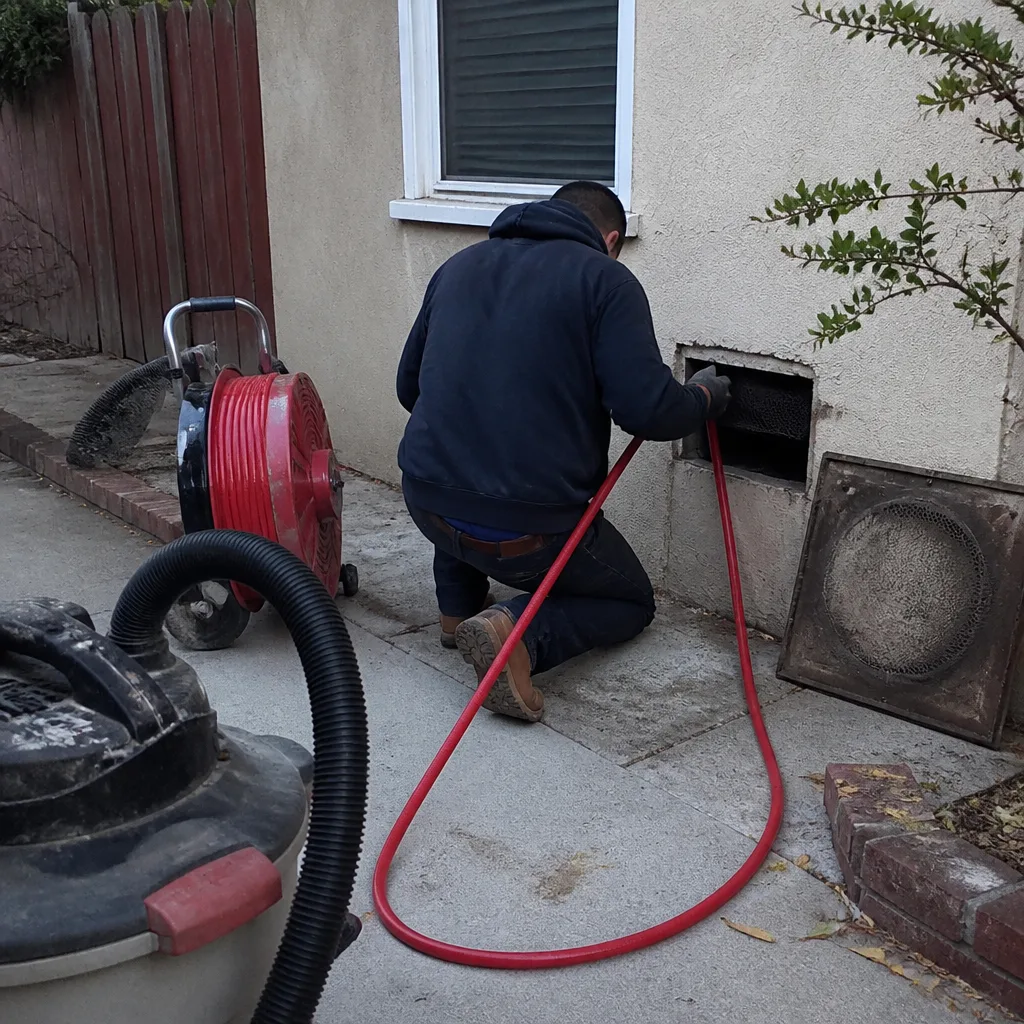 Before
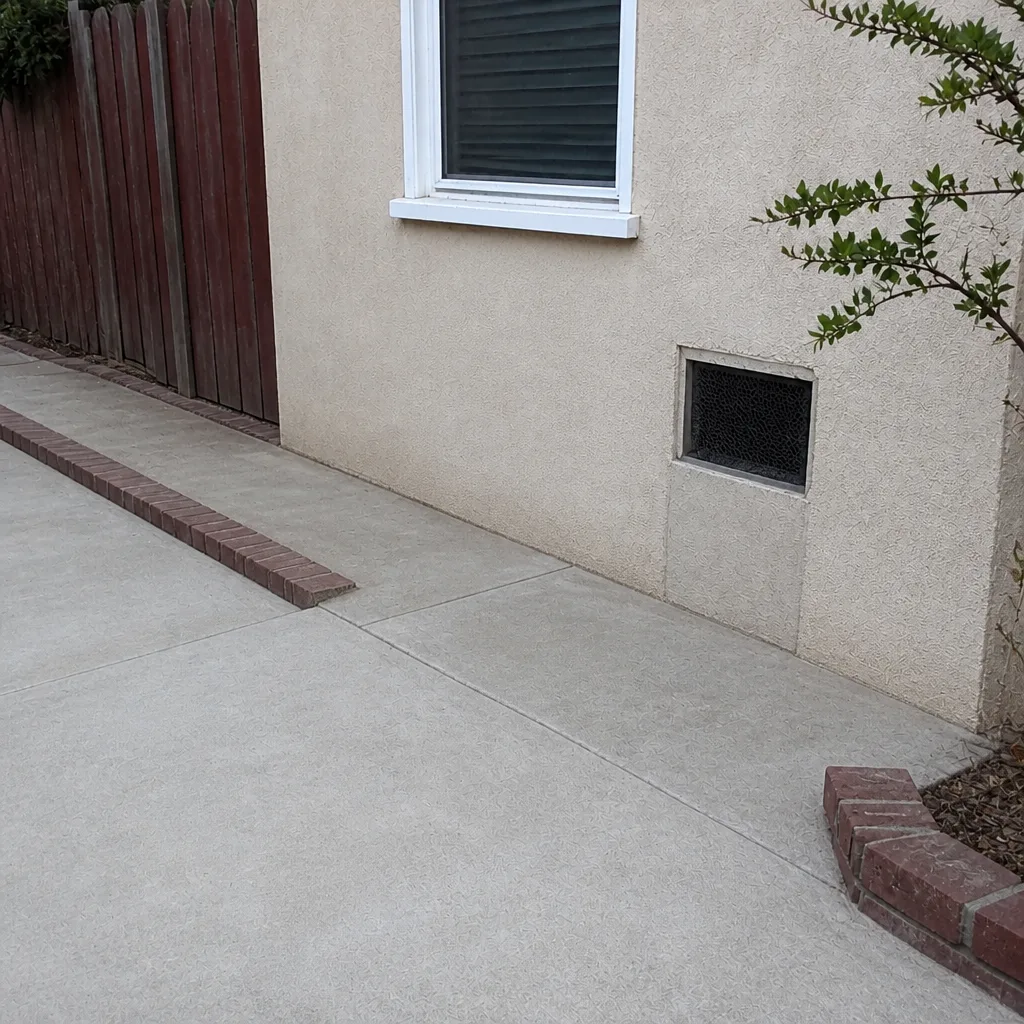 After
Frequently Asked Questions
Your ducts likely need cleaning if dust reappears on registers within days, airflow to some rooms is weak, a musty smell follows the system cycle, or the interior is visibly coated after a renovation. Visual confirmation inside the duct itself is the only reliable test; register appearance alone isn’t enough. Call (855) 263-2873 for a free estimate so a technician can check the interior and give you a clear answer.
Pricing is per system, not per vent, and it’s set by a written estimate before work begins. We quote one flat price for the system based on its size and condition, so you know the total before anything starts. That’s the honest structure, and it’s the one that avoids the coupon-to-invoice surprise. Call (855) 263-2873 for an exact quote, current estimate ranges, and to book an inspection.
Some quotes are cheaper because they leave out the parts that cost money: no containment, no HEPA filtration, no mechanical agitation of the duct walls, sometimes only the register faces. Others are deliberately low teasers that grow once the technician is on site. Ask whether the price covers full-system cleaning with negative air pressure and before-and-after photos. If it doesn’t, the price is comparing two different jobs. Call (855) 263-2873 to see what a complete job costs.
Most homes need it less often than the industry suggests, often every few years, and some go much longer. The interval depends on filtration quality, pets, renovations, moisture problems, and whether the duct system has leaks pulling in unfiltered air. The right trigger is a symptom, not a calendar date. If any warning sign in this guide fits, call (855) 263-2873 for a free estimate.
Ducts carrying accumulated dust, mold spores, or insulation fibers can add to the airborne load in a home. Whether that affects your symptoms depends on individual sensitivity. The practical move is to get the interior inspected by someone who can show you photographs and give you an honest read. Call (855) 263-2873 if you want a technician to look before you spend anything.
Cleaning removes debris from the inside of the duct walls. Repair fixes mechanical failures such as disconnected joints, kinked or collapsed flex duct, torn liners, and undersized returns. Many homes need both, and it matters which one comes first. We handle both as part of our air duct repair work, so a single visit can diagnose and address the full airflow chain. Call (855) 263-2873 to talk through what your system needs.
The Bottom Line
Duct warning signs are readable, but only if you map each symptom to its actual cause. Dust patterns split into three categories with three different fixes. Airflow imbalances point to branch-line restrictions. Odors split by smell type and by timing. Rising bills with longer run times are a duct problem only when the air temperature stays right. Post-renovation contamination in Lincoln Village and Brookside is a contained-cleaning job. And the dryer vent is part of the same system. Read the sign before you book the cleaning, and demand before-and-after photos of your own ducts.
If any of these warning signs match what you’re seeing, we’ll inspect the system and give you an honest read. Call Duct Cleaning Stockton at (855) 263-2873 for a free estimate. We answer 24/7. Fast dispatch from 7am to 7pm, Sunday through Friday.
Written by the team at Duct Cleaning Stockton.