
Last updated November 16, 2026
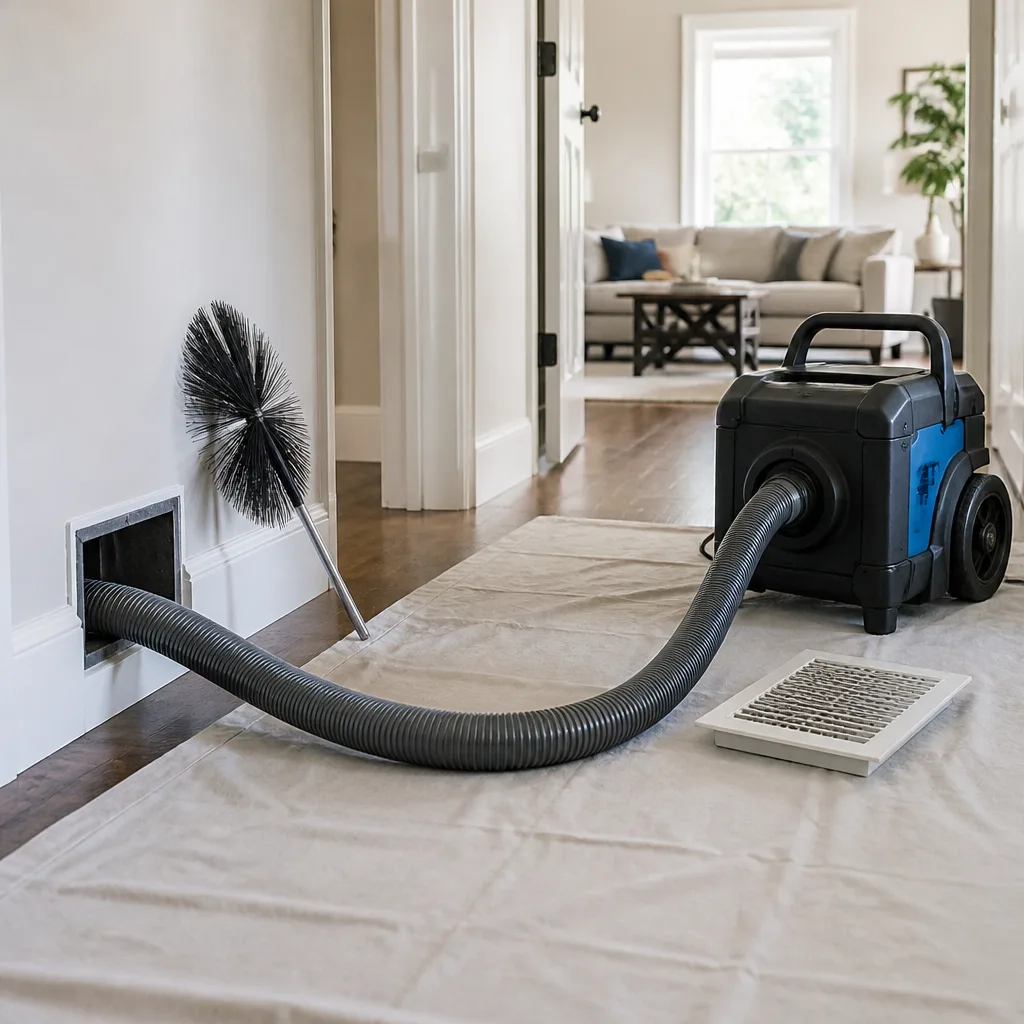 Whole-home duct cleaning
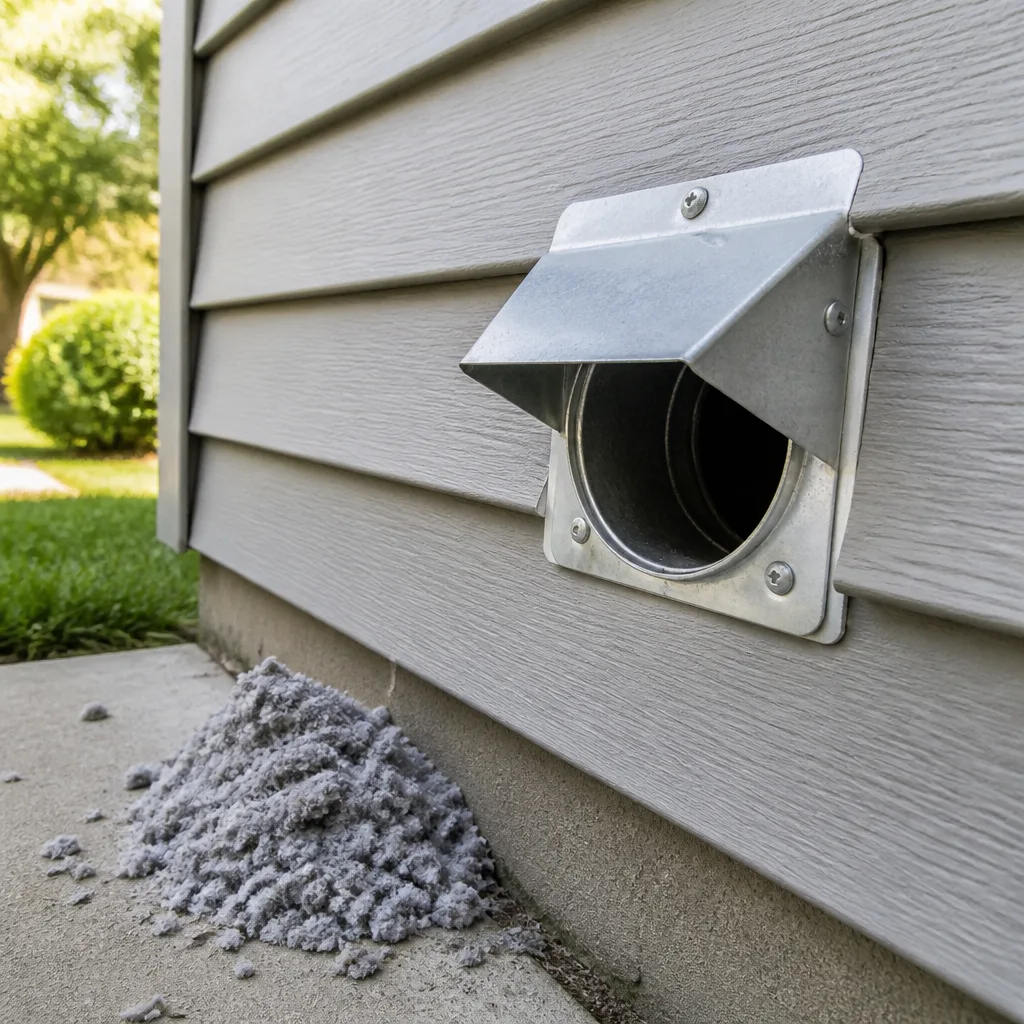 Dryer vent cleaning
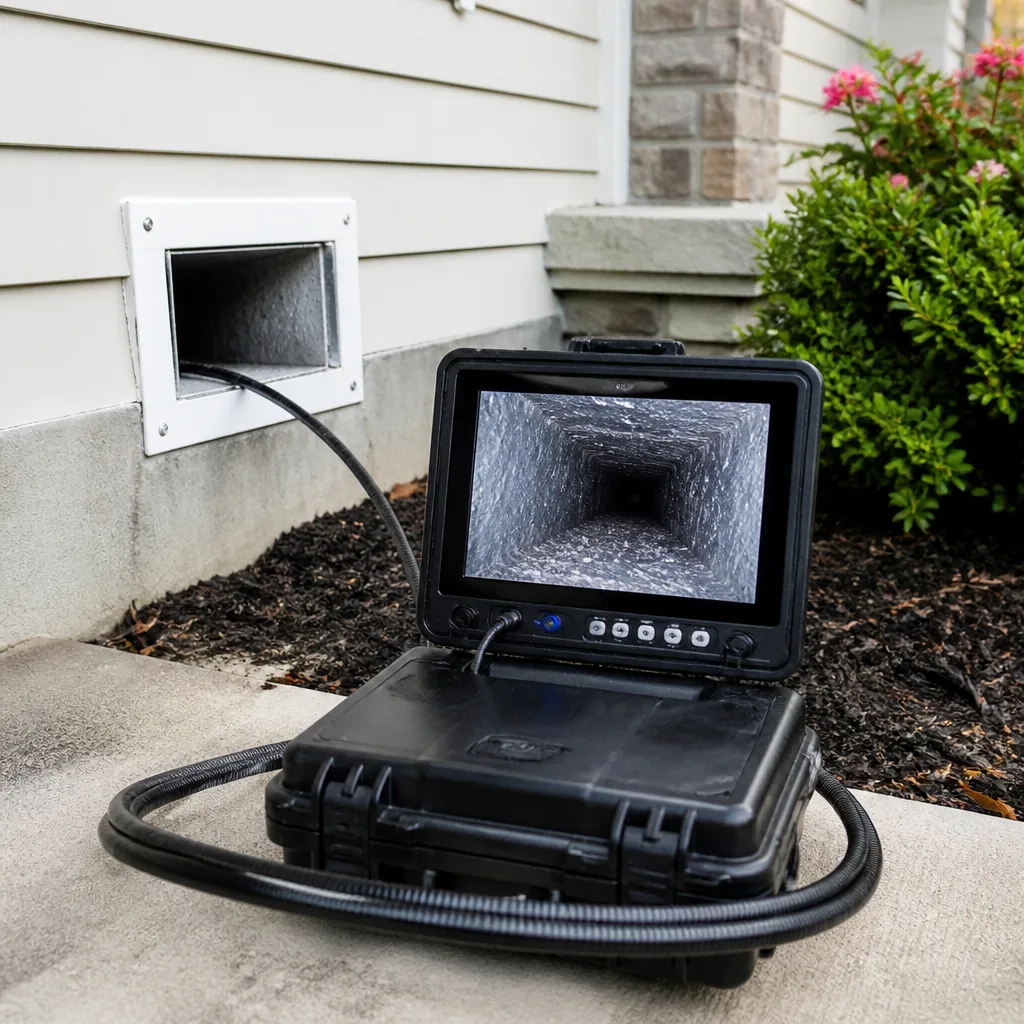 Camera inspection
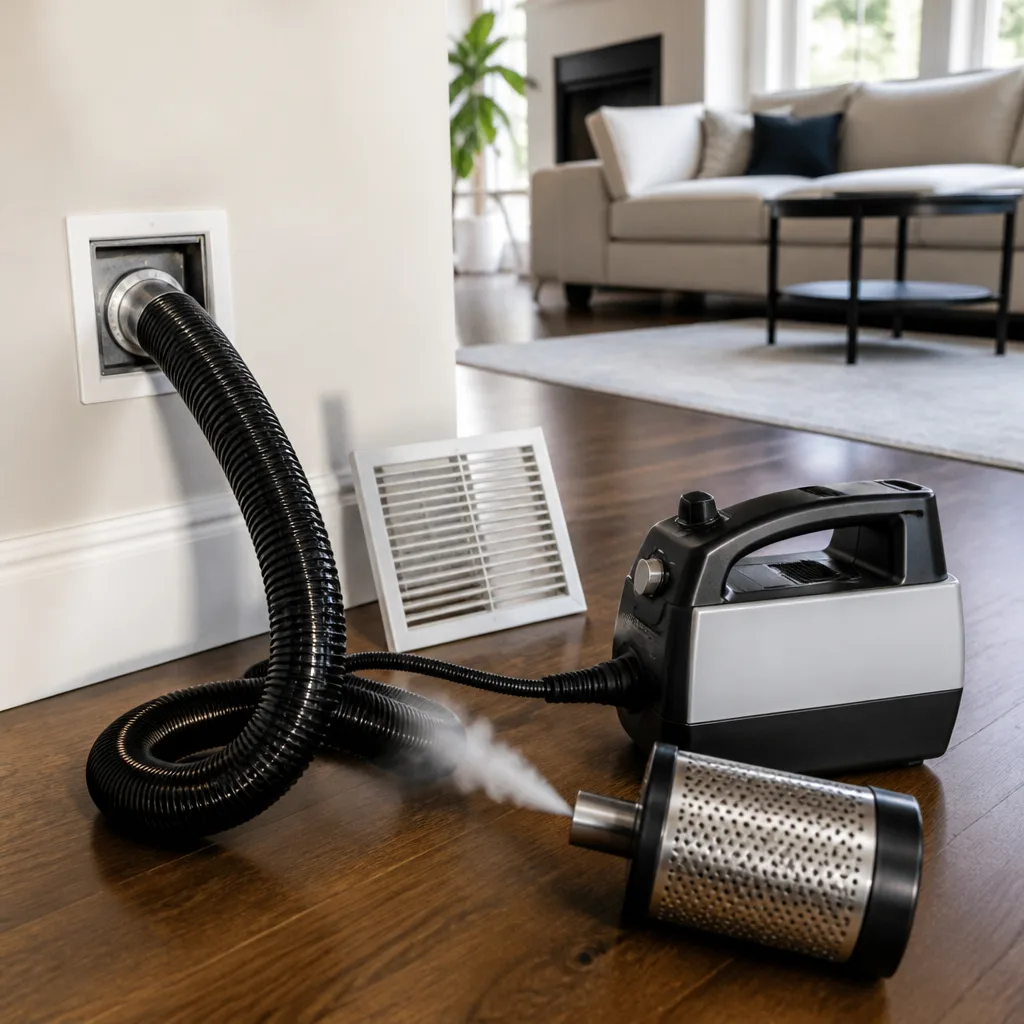 Sanitizing & deodorizing
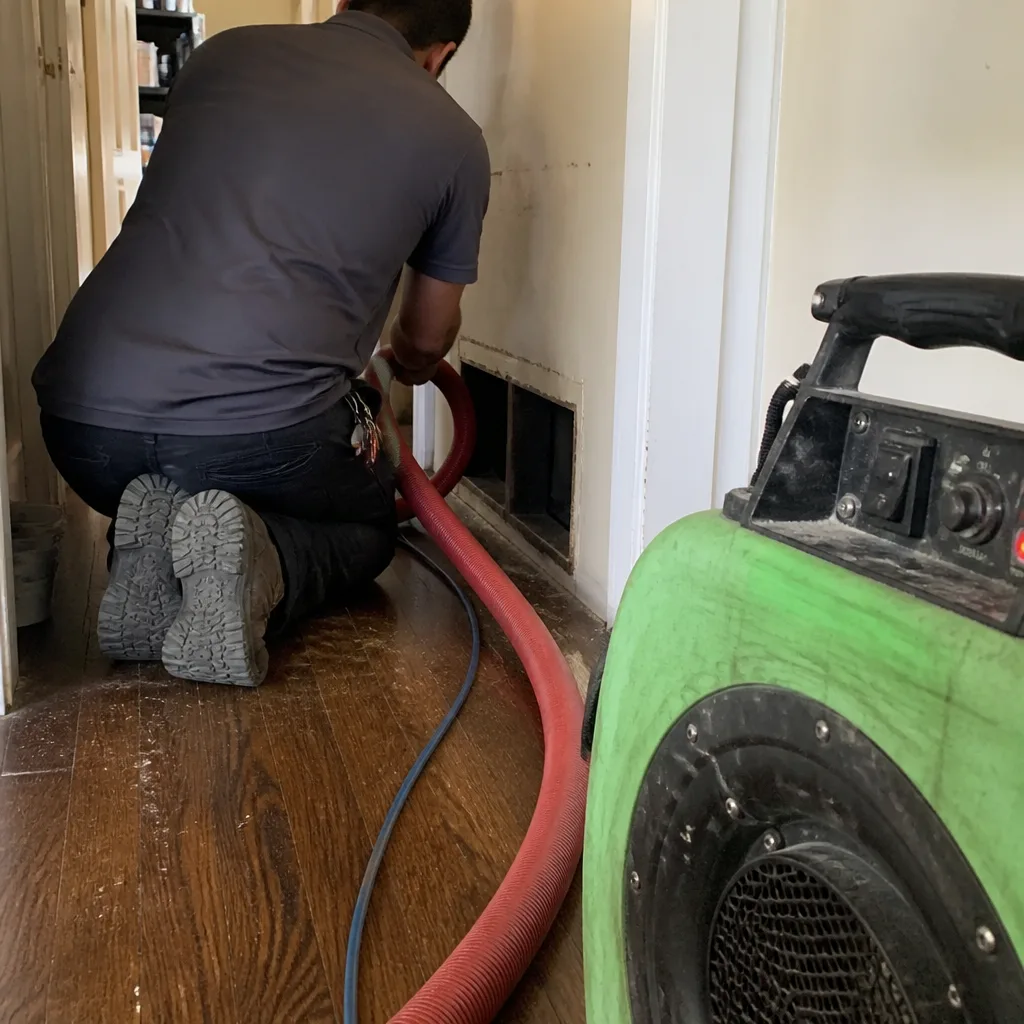
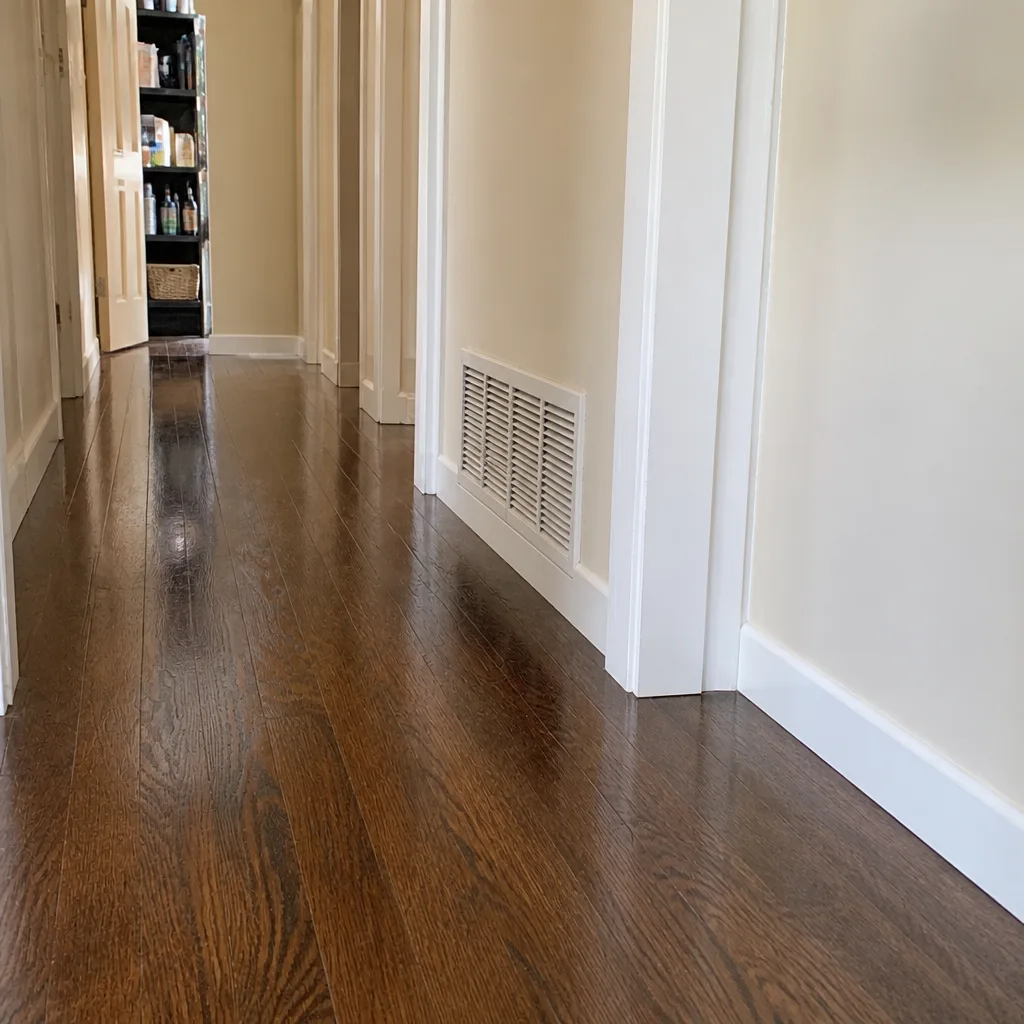
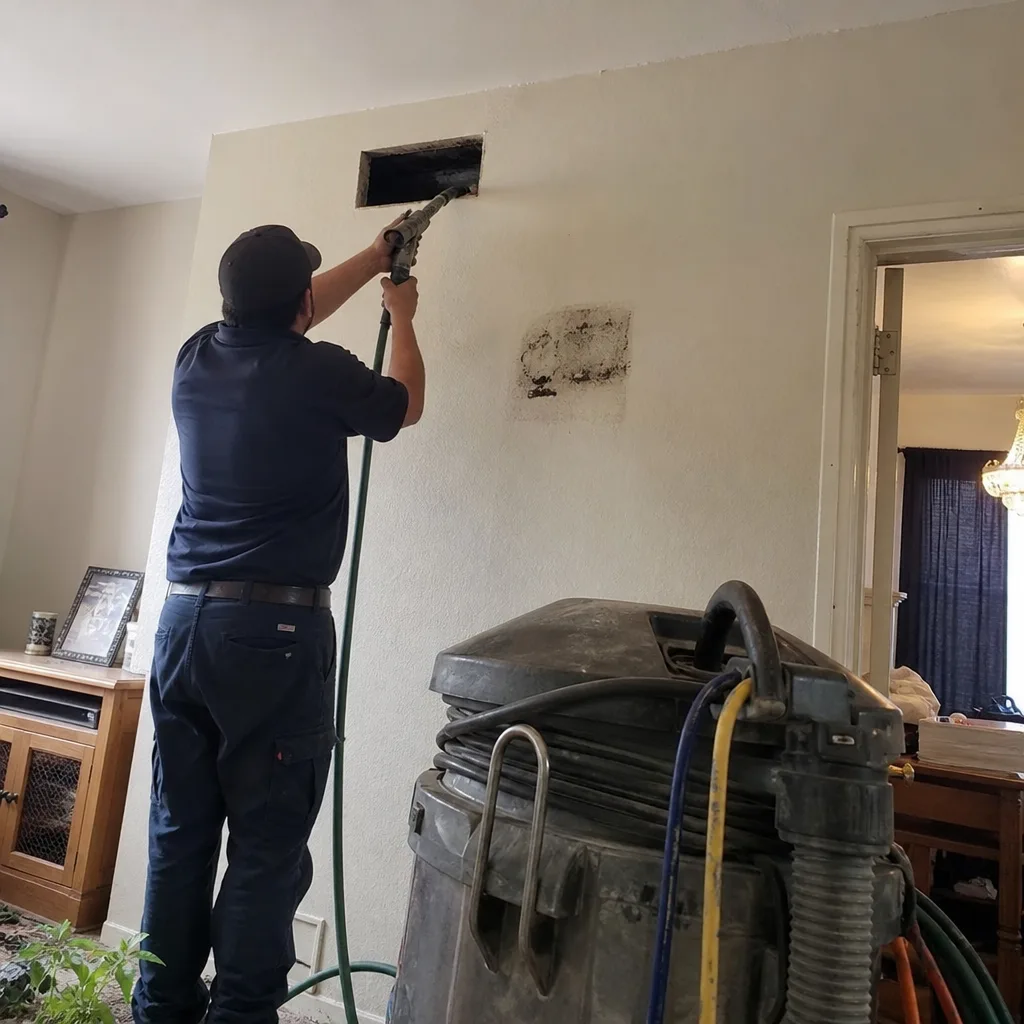
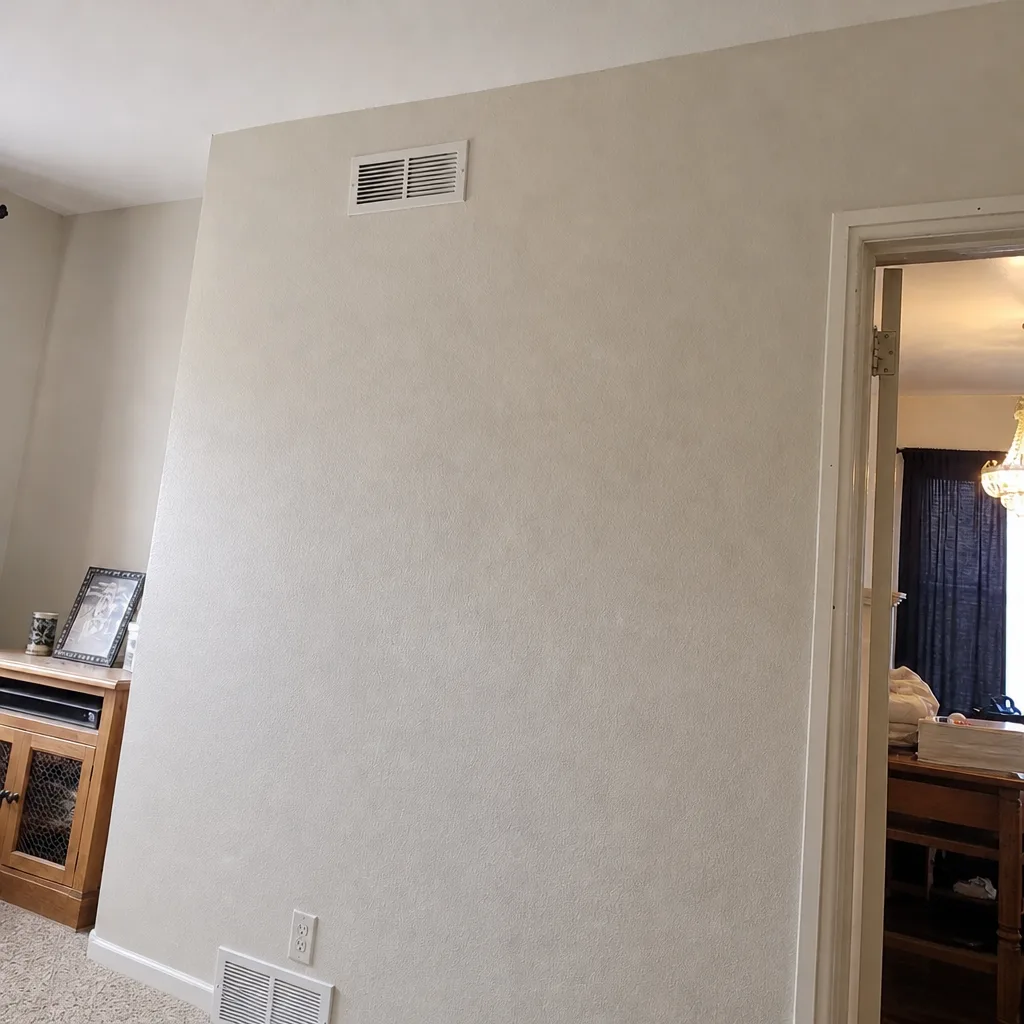
Whole-system duct and dryer vent check with before-and-after photos - you see exactly what came out of your vents
That "$99 whole-house special" is a bait ad - the real number appears once they are in your hallway, or the "clean" is a shop-vac at the register. We photograph the inside of your ducts before and after instead.
Air Duct Cleaning Emergency Preparedness Guide for Stockton Homes
Most homeowners treat duct cleaning as a maintenance chore, something to schedule when the vents start looking dusty. That framing misses the real risk. The events that actually damage ductwork in Stockton aren’t gradual. They arrive as smoke inversions that park over the Valley, drift from nearby spray operations, or water that finds its way into a crawl space after a levee-adjacent flood. Each one leaves contamination behind that a standard cleaning pass won’t address properly. This guide covers what to do during those events, what to check afterward, and how to prepare your system before anything happens. It’s written from Stockton, for Stockton homes.
Quick Answer
After a wildfire smoke event, a chemical drift incident, or water intrusion, the right response is to shut the system fan off, change to a higher-MERV filter if your equipment can handle it, and get the ductwork inspected before running it as normal. Smoke, fine ash, and chemical residue collect on duct walls and in the air handler, and a routine cleaning pass with a shop vac won’t remove them. Proper post-event work uses HEPA-filtered negative-air equipment, which is why it’s a remediation job, not a maintenance job.
Styles & brands we work with
- Whole-home duct cleaning
- Dryer vent cleaning
- Camera inspection
- Sanitizing & deodorizing
Table of Contents
- Wildfire Smoke Events: The Stockton Response Protocol
- What Filter to Install as an Emergency Measure
- Flood and Moisture Intrusion: The 48-Hour Window
- Agricultural Chemical Drift: When Cleaning Becomes Remediation
- Pre-Emergency Preparedness: What to Document Now
- Why HEPA Negative-Air Equipment Is Required After a Contamination Event
- Common Mistakes to Avoid
- When to Call a Professional
Wildfire Smoke Events: The Stockton Response Protocol
Wildfire smoke doesn’t behave like ordinary dust. It carries fine particulate matter, much of it under 2.5 microns, along with ash and combustion byproducts that settle onto every surface the air touches. When a home runs its HVAC during a heavy smoke event, the return-air side pulls that load straight into the duct system and the air handler. Standard pleated filters catch some of it. Not all of it.
Stockton sits in a spot where smoke from fires in the surrounding region can settle and linger. Inversions trap it in the Valley, and it stays until weather moves it out. That’s the scenario this protocol is built for.
Here’s the sequence we recommend when AQI climbs and the sky goes orange:
- Shut the system fan off immediately. If your thermostat has a “fan on” setting, switch it to “auto” or off entirely. Running the fan circulates smoke-laden air through the ducts and deposits it on every interior surface.
- Close fresh-air intakes and window vents. Any mechanical ventilation bringing outside air in is working against you during a smoke event.
- Seal gaps around doors and windows with towels or weatherstripping if smoke is visibly entering.
- Change the filter once the event passes, even if it looks clean. Fine smoke particles load a filter in ways that aren’t always visible.
- Get the ductwork inspected before resuming normal operation if your home ran the HVAC during a multi-day event or if you notice smoky odor when the system kicks on.
The inspection should cover the return-air plenum, the air handler cabinet, the supply trunk, and a sample of branch runs. A tech looking only at the registers won’t see the settled ash that coats the duct walls further in. When we inspect after a smoke event, we check whether the residue is loose surface ash or has bonded to the duct lining with moisture. The second scenario requires a different cleaning approach entirely.
What Filter to Install as an Emergency Measure
Filter selection during a smoke event matters, but there’s a catch most homeowners don’t hear. Not every system can handle a high-MERV filter. The pressure drop across a MERV-13 filter can restrict airflow enough to strain a blower motor, ice a coil, or trip a high-limit switch. If your system was designed around a MERV-8, dropping in a MERV-13 without checking static pressure is a gamble.
Practical options, in order:
- MERV-13 or higher if your system was designed for it or you have a media cabinet rated for the pressure drop. Check the air handler label or ask your HVAC tech what the equipment is rated for.
- MERV-11 to MERV-13 as a middle step if you’re unsure. The improvement over MERV-8 is real and the pressure penalty is smaller.
- MERV-8 with a portable HEPA air cleaner running in the main living space if the system can’t take the higher-MERV filter. This is often the right answer for older Stockton homes with ductwork sized for low-pressure airflow.
Don’t stack a second filter in front of the first one. That’s a common DIY move during smoke events, and it’s the fastest route to a burned-out blower. Change the filter as the event ends, and don’t wait for the filter to look gray. Fine smoke particulate is invisible on a filter face.
If you’re running a whole-home air cleaner or a media filter cabinet, systems compatible with Honeywell and Aprilaire products are common in this area, and those filter configurations can handle higher-MERV media without the pressure-drop penalty of a retrofit. It’s worth knowing which one your home has before an event forces the decision.
Flood and Moisture Intrusion: The 48-Hour Window
Water in ductwork is a different problem from smoke, and the clock runs faster. Duct board, flex duct, and even the fiberglass lining inside sheet-metal duct are porous. Once they absorb water, microbial growth can start within 24 to 48 hours in warm conditions. That timeline is not generous.
Stockton’s flood risk comes mostly from Delta levee exposure and the low-lying areas near the Calaveras and San Joaquin confluence. When water gets into a crawl space or a ground-level mechanical closet, the duct system is often the last thing a homeowner thinks to check and the first thing to fail.
Here’s how to assess damage:
- Determine whether water actually reached the ductwork. Standing water in the crawl space isn’t the same as water inside the ducts. Look for water stains on flex duct runs, sagging duct insulation, and moisture inside the air handler cabinet.
- Check the supply and return plenums first. Those are the most likely points of entry if the air handler sits low.
- Smell the system. A musty or earthy odor when the fan runs is a sign that organic material is already growing inside. That is not a cleaning problem anymore; it’s a contamination problem.
- Don’t run the system to “dry it out.” Running a wet system can spread mold spores through every room in the house.
- Get a professional assessment within the first week if there’s any sign of water contact. Duct sections that have absorbed water often need replacement, not just cleaning. That’s where our duct repair work comes in.
If the ductwork was submerged or absorbed water, the honest answer is often that sections need to come out. Professional drying of a saturated duct system is rarely cost-effective, and the risk of retained moisture inside porous duct board is too high. Any certified remediator will tell you the same thing. If you’re reading this after a flood event and you’re not sure whether your ductwork was affected, get it looked at before you turn the system back on.
Agricultural Chemical Drift: When Cleaning Becomes Remediation
This is the scenario no one plans for and everyone should think about. Stockton sits in the middle of one of the most intensively farmed regions in the country, and pesticide and herbicide applications happen on a schedule that doesn’t always account for what the wind is doing. Drift events are real. They land on cars, on outdoor furniture, on the fresh-air intakes of nearby homes.
If you suspect a chemical drift event has entered your HVAC system, the response is different from smoke or dust. The contaminant may be a persistent compound that off-gasses for weeks, or one that reacts with moisture on duct surfaces. Treating it as a standard cleaning problem can make it worse, because agitating contaminated surfaces without containment spreads the chemical through the living space.
What a chemical-response scenario involves:
- Immediate fan shutdown if drift is suspected, plus closing fresh-air intakes.
- Air quality testing to identify the contaminant before any cleaning starts. This is not a step you skip. Without identifying the compound, the cleaning protocol is guesswork.
- HEPA-filtered negative-air containment during any work. Standard duct cleaning equipment will aerosolize deposited chemical residue and move it through the house. Contained extraction is the only defensible method.
- Surface decontamination of duct walls, not just a brush-and-vacuum pass. In some cases, sections of flex or duct board cannot be decontaminated and need replacement.
- Post-clean verification before the system is put back into service.
The takeaway is that a chemical event is not a cleaning job. It’s a remediation job that happens to involve the ductwork. Anyone who tells you a standard cleaning will handle it hasn’t dealt with one.
For the record, none of the equipment references here are arbitrary. Abatement Technologies manufactures the negative-air and HEPA containment systems that commercial remediation crews use, and those are the same systems we run for containment work on residential jobs. If you’re evaluating contractors after a suspected chemical event, ask what containment equipment they’ll bring. The answer tells you whether they understand the problem.
Pre-Emergency Preparedness: What to Document Now
When a contamination event happens, the first questions a remediation contractor asks will be about your system layout, shutoff points, and equipment. If you have to answer those from memory while your smoke alarm is going off, you’re already behind. Do the prep work now, when nothing is happening.
Here’s the list we recommend every Stockton homeowner keep somewhere they can find it:
- Photograph the air handler. Take clear photos of the equipment label, the filter size, and the cabinet. Note the brand and model number.
- Mark the main HVAC disconnect. There’s a service switch at the air handler and often a breaker in the panel. Note the location and take a photo of the breaker labeled for the HVAC.
- Map the duct layout. A rough sketch that shows where the trunk runs, where branches split, and where the returns come back works fine. A tech can use a sketch as well as a formal diagram.
- Note the filter type and size. If you use a media cabinet, note the cabinet model. If you have a Honeywell or Aprilaire air cleaner, note the product line so the replacement media can be identified fast.
- Identify the return-air size. The dimensions of your return plenum help a contractor size containment equipment correctly.
- Note any prior duct repairs or flexible duct sections. Any spot where flex duct replaces original rigid duct matters for how a cleaning is planned.
Keep this document printed and stored somewhere durable, not just on your phone. During a real event, power outages and network congestion can leave you without access to the cloud.
Finally, know who you’ll call before you need to call. The best time to find a duct cleaning outfit is not during a regional emergency when the phone lines are jammed. Get an assessment now, get to know your system, and get on a schedule for the routine work. Our air duct cleaning service includes a system walkthrough that catches most of what you’d document yourself, and a technician who’s already seen your setup is worth a lot when something unexpected lands.
Why HEPA Negative-Air Equipment Is Required After a Contamination Event
The core problem with cleaning a contaminated duct system using ordinary equipment is that dislodged particulate becomes airborne. If you brush ash off a duct wall with a standard rotary tool and a shop vac as the only capture, some of that ash ends up in the room before it reaches the vacuum. After a smoke or chemical event, that’s the difference between a successful remediation and a recontamination.
The professional standard is negative-air containment. The idea is that the work area is put at slightly lower pressure than the surrounding space, so air flows into the contained zone rather than out of it. That’s what Abatement Technologies negative-air machines are designed to do, and it’s the standard used in mold remediation and lead-safe renovation work. Applied to duct cleaning after a smoke or chemical event, it’s the right tool.
HEPA filtration is the other half of the system. A HEPA filter captures particles down to 0.3 microns with very high efficiency, which covers the fine smoke particulate and the aerosolized chemical residue you can’t see. Purpose-built HEPA vacuum units like those from Nikro are engineered for exactly this, and rotary brush equipment from Rotobrush handles the mechanical agitation while the HEPA pulls the loosened material back at the source.
The practical answer to “why does this cost more than a regular cleaning” is right here: it uses different equipment, takes longer, and involves post-clean verification. Any contractor who quotes a standard cleaning price for a post-contamination job is either not using containment or not planning to be thorough.
If you’re sorting through contractor options after an event, ask three questions:
- What HEPA and negative-air equipment will you bring?
- How will you contain the work area during cleaning?
- What’s your verification process before the system is returned to service?
If the answers are vague, move on. Real remediation contractors answer those questions without hesitation.
Common Mistakes to Avoid
- Running the HVAC during a smoke event to “filter the air.” Running it during heavy smoke pulls the contaminant into the duct system faster. Turn the fan off and use a portable HEPA unit if indoor air is the concern.
- Assuming a filter change is enough after a multi-day smoke event. A filter change handles what’s caught in the filter. It doesn’t touch the ash and residue that has already settled on duct walls and the air handler.
- Ignoring musty smell in the weeks after a flood event. A smell is a symptom, and in Stockton’s warm crawl spaces, it’s usually the first visible sign that microbial growth is already established. Waiting weeks to check gives it more time.
- Treating a suspected chemical drift event as a cleaning problem. Standard duct cleaning equipment will aerosolize deposited chemical residue. Any work after a chemical event requires containment and, in most cases, contaminant identification before the cleaning starts.
- Stacking two filters “for extra protection.” A common DIY response to smoke events that strains the blower and can end with a motor replacement. One properly-sized filter is the answer.
- Washing out a wet duct system with a shop vac. Wet duct board and fiberglass-lined duct that has taken on water needs assessment and often replacement, not a drying-out attempt with residential equipment.
- Not knowing where the HVAC disconnect is. In a real event, the first thing you want to do is turn the system off. If you don’t know where the switch is, you’ve lost time.
When to Call a Professional
Routine dust buildup you can address on your own schedule. The scenarios in this guide are different. Call a professional when you’ve had a multi-day smoke event that your system ran through, when there’s any sign of water contact with ductwork (stains, sagging flex duct, musty smell), when you suspect a chemical drift event, or when a household member’s respiratory symptoms consistently get worse in the home and improve outside it. Those situations call for inspection with proper equipment, not a shop vac and a weekend.
The other scenario worth flagging: if your system has been running through more than one significant event over a few years without any duct inspection, the cumulative load on duct walls adds up. Ash, fine debris, and biological growth build up in layers, and a professional cleaning at that point removes real accumulated material rather than just surface dust.
Duct Cleaning Stockton offers free estimates in Stockton – call (855) 263-2873. We answer 24/7. Fast dispatch from 7am to 7pm, Sunday through Friday. Our technicians have up to experience, and we work across the three linked systems – duct cleaning, dryer vent cleaning, and duct repair – so a single visit addresses the whole airflow chain.
Frequently Asked Questions
The clearest signs are smoky odor when the HVAC runs, visible ash residue on registers or in the air handler cabinet, and symptoms that improve when you’re outside the home. If your system ran during a multi-day high-AQI event, a duct inspection is the only way to know for sure. Call (855) 263-2873 to schedule one – estimates are free.
Not safely after a contamination event. The risk is that dislodged particulate or chemical residue becomes airborne inside the living space, which is why professional work uses HEPA-filtered negative-air equipment. Routine cleaning of light dust is a different story, but anything involving smoke, chemical drift, or water intrusion is beyond what shop-vac equipment can handle.
Within the first week, and ideally within 48 hours if there’s any sign of moisture inside the ducts. Microbial growth in warm, wet duct material can begin within 24 to 48 hours, so the window closes fast. Don’t run the system to dry it out – that spreads spores through the house.
Standard cleaning removes dust buildup with rotary brush equipment and a HEPA vacuum. Post-contamination remediation adds negative-air containment, contaminant identification in chemical cases, surface decontamination, and post-clean verification before the system goes back into service. Different equipment, longer timeline, and a different standard of proof.
Turn the HVAC fan off, close fresh-air intakes, seal door and window gaps, and run a portable HEPA air cleaner in the main living space if you have one. Don’t swap to a high-MERV filter without confirming your system can take the pressure drop. Change the filter once the event ends.
Does Duct Cleaning Stockton service the whole Stockton area for post-event duct assessments?
Yes, we cover Stockton and the surrounding area for post-event assessments and cleaning. We run Abatement Technologies HEPA containment, Nikro HEPA vacuum equipment, and Rotobrush rotary brush systems on every job, and we use Guardsman surface protection to safeguard floors and furniture during service. Call (855) 263-2873 for a free estimate.
The Bottom Line
The three events most likely to contaminate ductwork in Stockton – wildfire smoke, water intrusion, and agricultural chemical drift – all share the same two features: they’re unpredictable, and the window for a clean response is short. Preparation is the answer, not reaction. Turn the fan off during a smoke event. Get wet ductwork assessed within the first week. Treat suspected chemical exposure as a remediation problem, not a cleaning problem. Document your system now so you’re not scrambling when an event forces a decision. And when professional work is needed, insist on HEPA containment, HEPA vacuum equipment, and post-clean verification. That’s the standard worth paying for.
If you’re not sure whether your ducts need a post-event assessment or just routine cleaning, call (855) 263-2873. We answer 24/7. Fast dispatch from 7am to 7pm, Sunday through Friday. Estimates are free, and the written estimate sets the final price.
Written by the team at Duct Cleaning Stockton.
See the difference
 Before
 After
 Before
 After
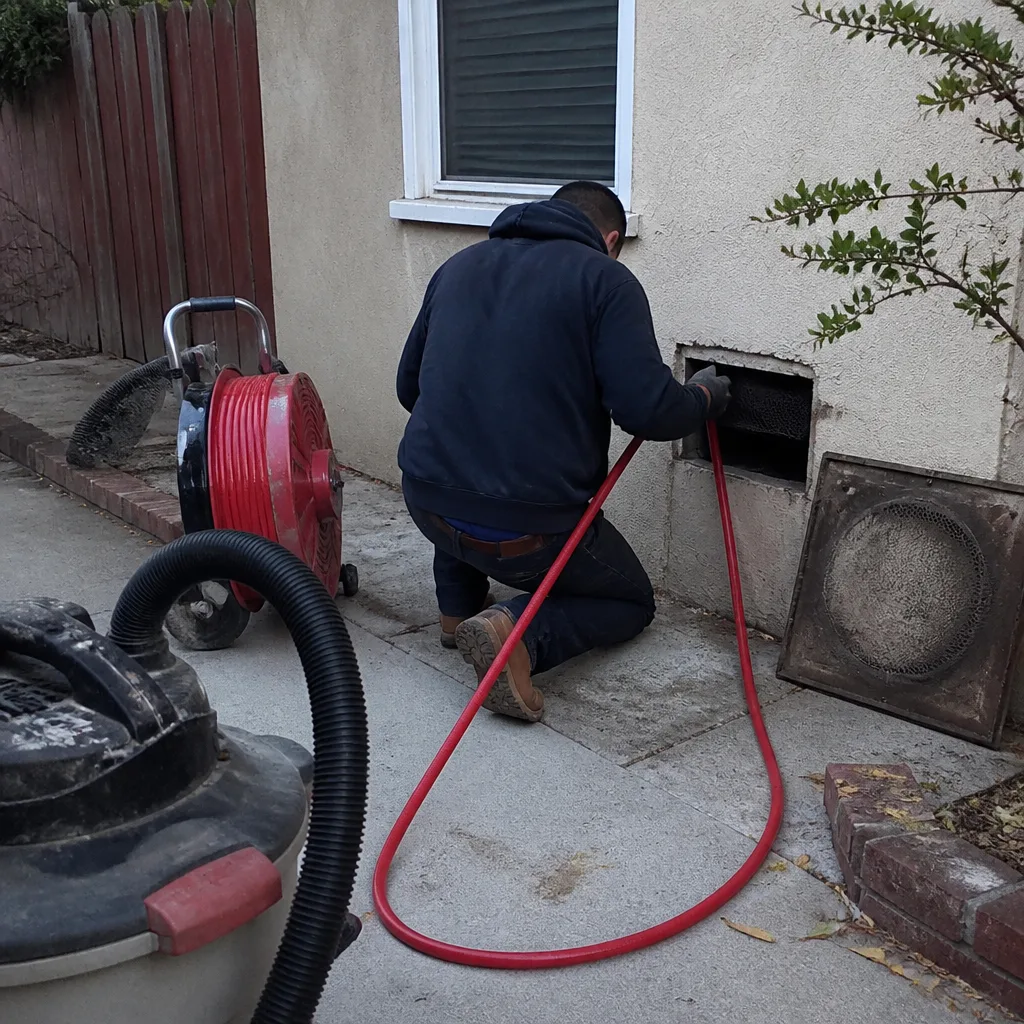 Before
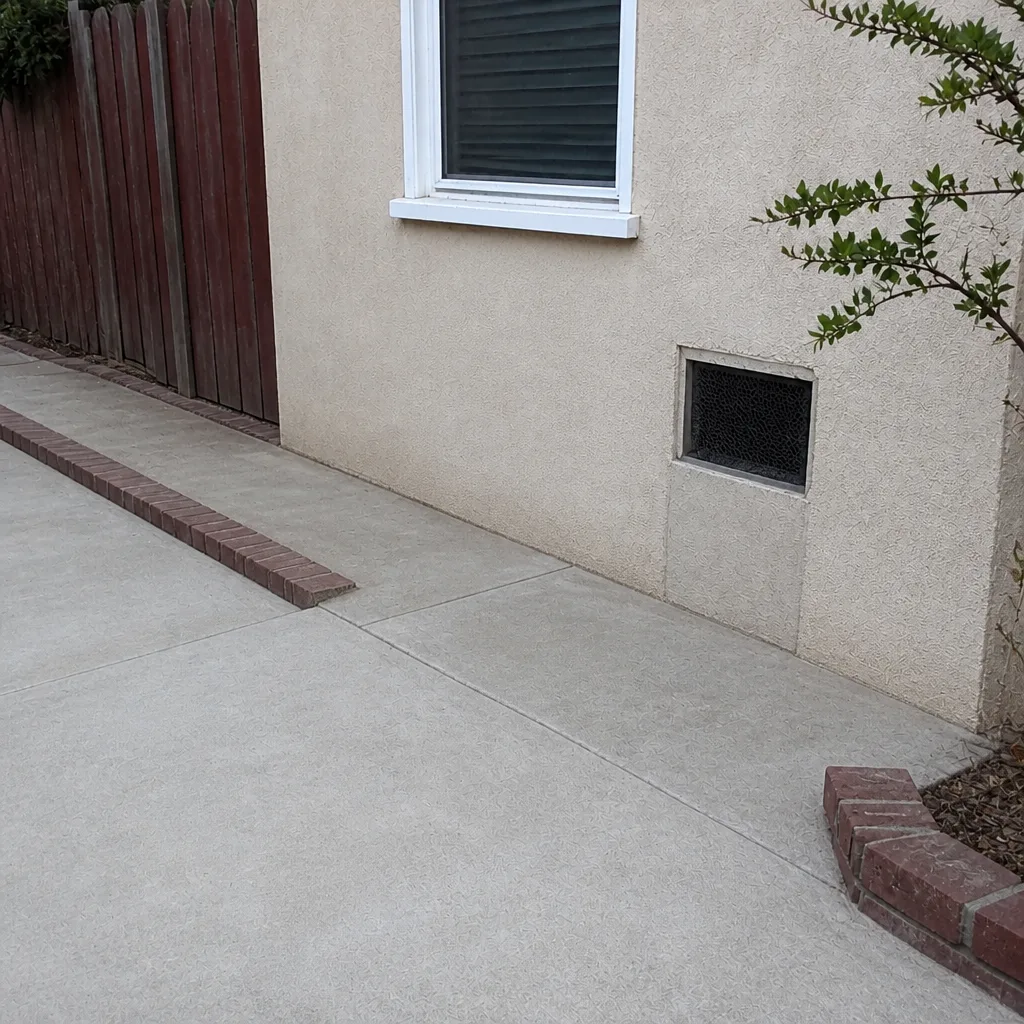 After