
Last updated November 16, 2026
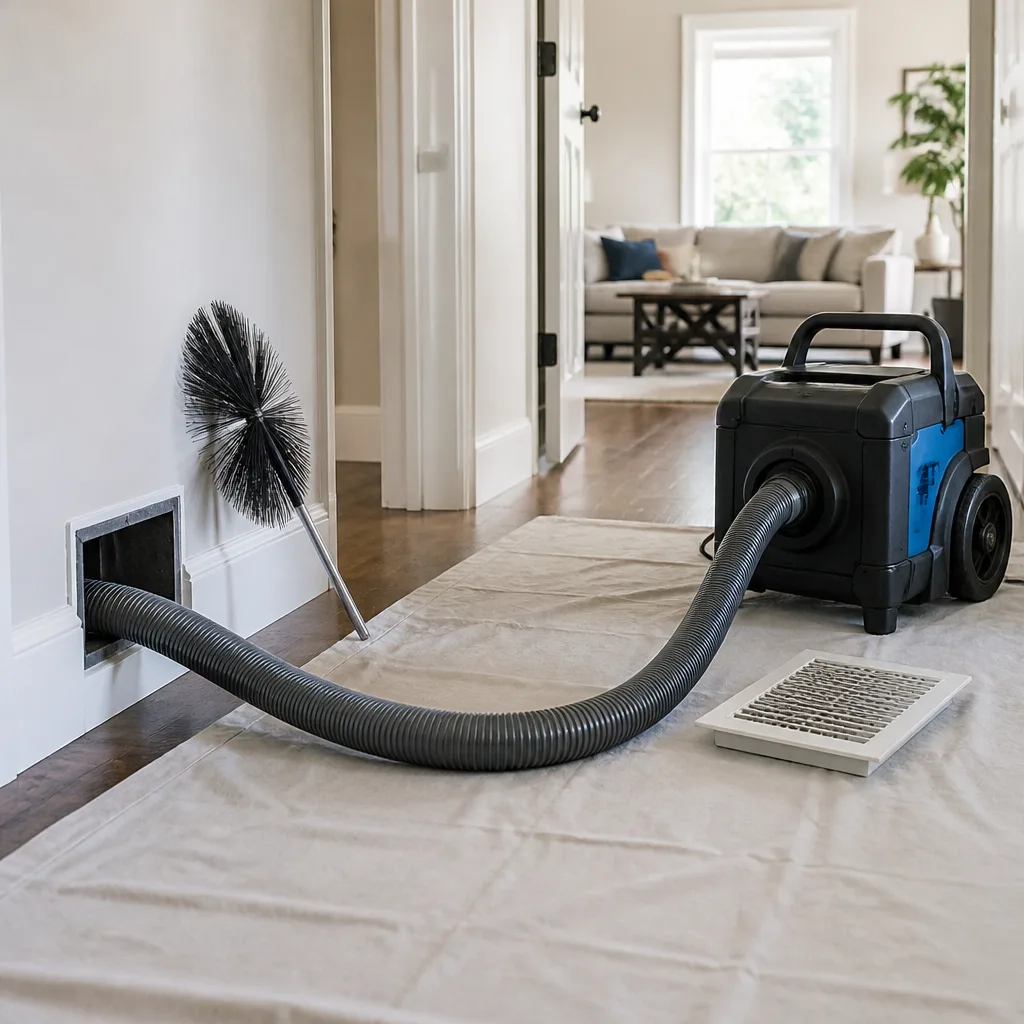 Whole-home duct cleaning
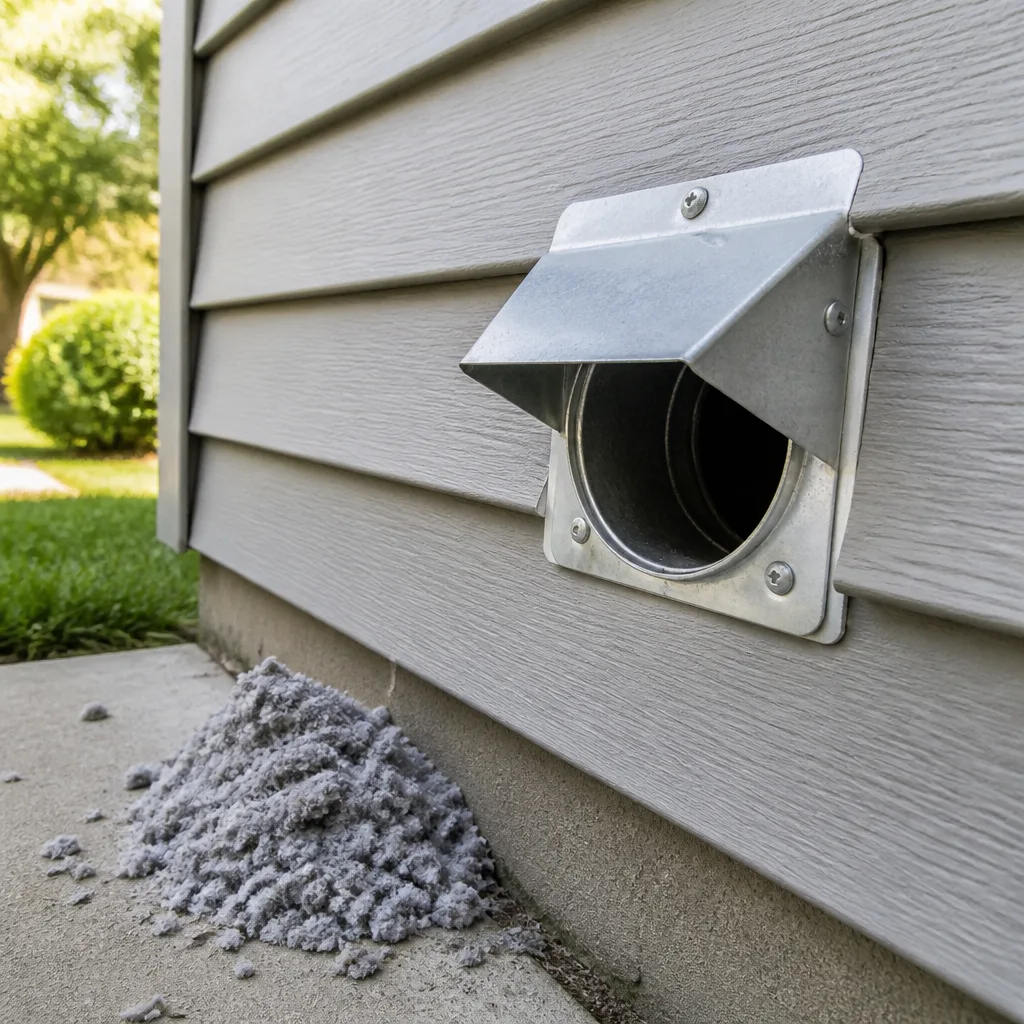 Dryer vent cleaning
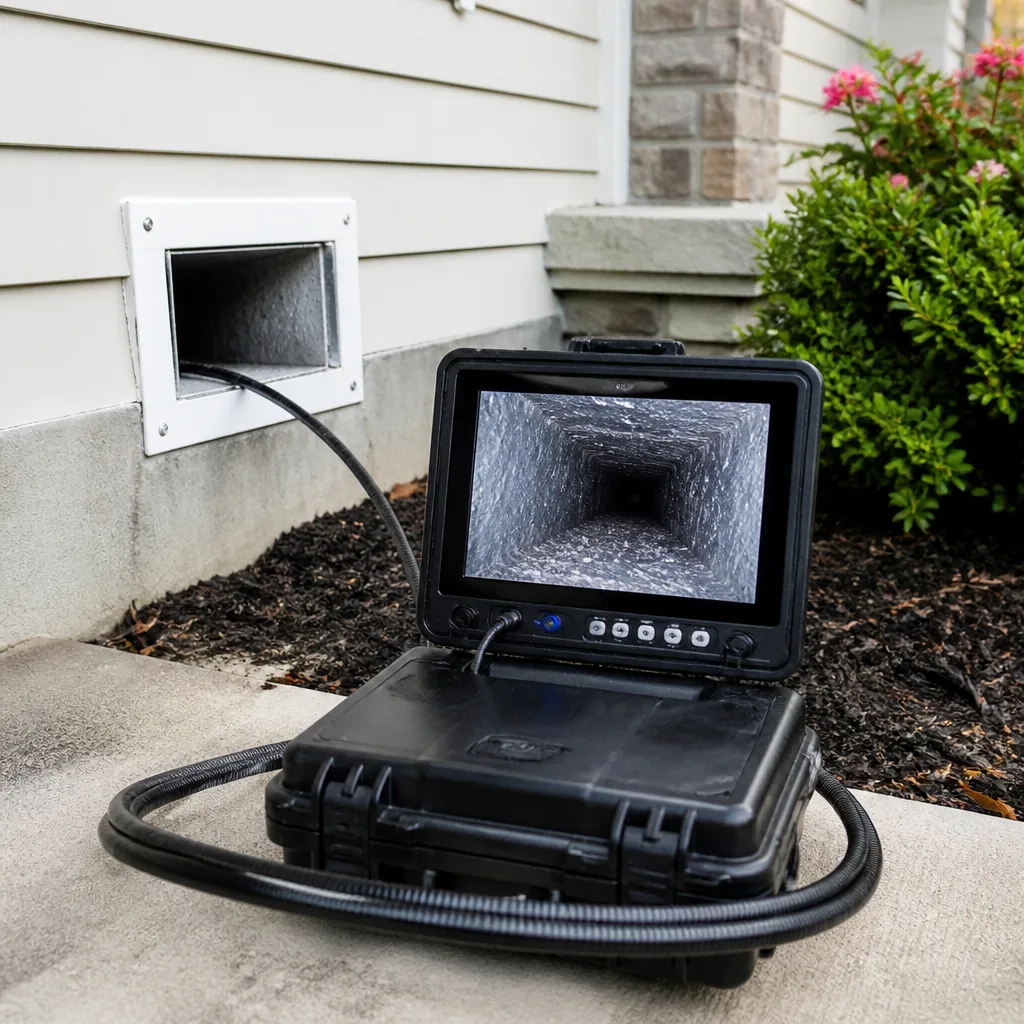 Camera inspection
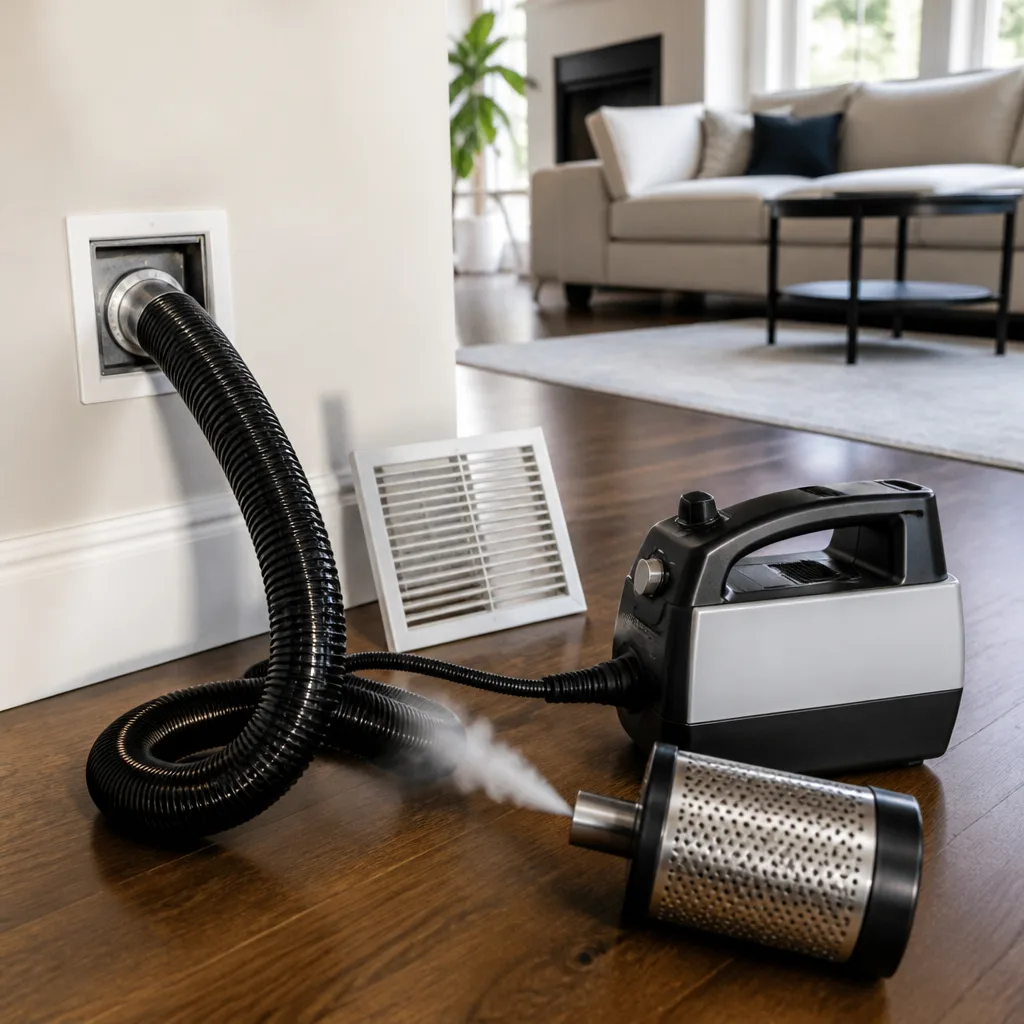 Sanitizing & deodorizing
Whole-system duct and dryer vent check with before-and-after photos - you see exactly what came out of your vents
That "$99 whole-house special" is a bait ad - the real number appears once they are in your hallway, or the "clean" is a shop-vac at the register. We photograph the inside of your ducts before and after instead.
Air Duct Cleaning Maintenance Schedule: What to Do and When
“Every three to five years” is the interval most homeowners in Stockton have heard, and it’s the one piece of advice least likely to fit your actual house. Duct contamination in Stockton doesn’t accumulate on a national average clock. It builds according to agricultural dust seasons, the age and construction of your home, and the filter you choose. Two houses on the same block can need completely different schedules. In this guide we’ll show you how to build a real cleaning interval for your home, what changes it, and what to document between cleanings so the next technician starts with a baseline instead of a blank slate.
Quick Answer
Most Stockton homes benefit from professional air duct cleaning roughly every 2 to 4 years, with homes near agricultural dust corridors or older construction falling at the shorter end. Households with immunocompromised members should consider a review every 1 to 2 years given the region’s Valley fever considerations. Let your filter replacement cadence, recent events (wildfire smoke, rodent activity, water intrusion), and inspection findings drive the date, not a calendar.
Styles & brands we work with
- Whole-home duct cleaning
- Dryer vent cleaning
- Camera inspection
- Sanitizing & deodorizing
Table of Contents
- Why the Generic 3-5 Year Rule Falls Short in Stockton
- How to Build a Cleaning Interval Specific to Your Home
- Filters as Your Schedule Anchor: Which MERV Ratings Help and Which Hurt
- The Agricultural Dust Season and What It Does to Supply Lines
- Post-Event Triggers That Override Any Calendar Schedule
- Light-Commercial Cycles: Why Restaurants and Daycares Run 12-18 Months
- What to Inspect and Document Between Professional Cleanings
- What Professional Duct Cleaning Actually Involves
Why the Generic 3-5 Year Rule Falls Short in Stockton
Stockton sits in one of the highest Coccidioides concentration zones in California. Coccidioides is the soil fungus that causes Valley fever, and the spores it produces can travel airborne into HVAC intakes during windy periods and agricultural dust events. The EPA’s general 3 to 5 year guidance for duct cleaning was written as a national average, and it doesn’t account for regions where airborne fungal loads are materially higher.
That doesn’t mean every Stockton household is exposed to Valley fever spores coming through their ducts. It means the calculation has to shift for certain occupants. A household with a member undergoing chemotherapy, managing an autoimmune condition, or over the age of 70 should treat the 3-5 year rule as a floor, not a target.
What Actually Drives Duct Contamination Locally
- Agricultural dust season (roughly May through September): Stockton sits in the heart of the San Joaquin Valley’s farming corridor, and the dust load in the air rises sharply during harvest and field preparation.
- Home age and construction detail: Homes built before the mid-1980s often have attic air leaking into supply runs through poorly sealed boots and gaps at the plenum.
- HVAC filter discipline: A system running a low-MERV filter for too long lets fine particulate bypass and settle in the ductwork.
- Wildfire smoke events: Even a single prolonged smoke intrusion can coat duct walls with creosote-heavy particulate that a filter alone won’t remove.
- Construction and renovation activity: Drywall dust and sawdust from a kitchen or bathroom renovation migrate into return plenums quickly.
In our experience the household that calls us at the four-year mark is often in better shape than the household that calls at the two-year mark, because the two-year household has been running a low-efficiency filter and skipping filter changes. That’s the whole point of building a schedule from inputs rather than from a rule.
How to Build a Cleaning Interval Specific to Your Home
Start with your home’s profile, then stack the risk factors. The number that comes out is your review interval, not a promise about what the cleaning will cost or what the ducts will look like inside.
Step 1: Establish Your Baseline Interval
- Newer construction (built after 2000) with a well-sealed system: start the review at 4 years.
- Mid-century or older home with visible attic duct runs: start at 3 years.
- Older home with original rigid metal ductwork or flexible runs you’ve never had inspected: start at 2 years and get a baseline inspection.
- Home with a member in a high-risk health category: start at 1 to 2 years and work with your doctor’s guidance on the exposure question.
Step 2: Add Local Risk Factors
Stack these on top of your baseline. Each one compresses the interval by roughly one season or moves the next cleaning up by about six months:
- House sits within a half-mile of an active agricultural field or a processing facility.
- Home has had a renovation in the last 12 months.
- Pets shed heavily, especially in a home with carpeted return plenums.
- You’ve had a rodent sighting in the attic or crawl space.
- Windows are left open regularly during summer evenings.
- Downwind proximity to any wildfire smoke event in the last 12 months.
Step 3: Adjust After Every Cleaning
The first cleaning gives you real data. If the technician finds heavy dust loading in the supply runs after only two years, your interval should tighten. If the duct walls are clean at three years, you can stretch it slightly. Ongoing cleanings build a record of your home’s actual contamination rate rather than borrowing someone else’s average. If you want to start with a professional inspection before committing to a schedule, our air duct cleaning service includes a full before-and-after documentation of the system.
Filters as Your Schedule Anchor: Which MERV Ratings Help and Which Hurt
The filter in your air handler is the single most useful signal for how fast your ductwork collects debris. Think of it as the odometer for your cleaning interval. Change it on a schedule tied to MERV rating, dust conditions, and the seasons, and track it.
The MERV Ranges That Matter
- MERV 4-7 (standard fiberglass or basic pleated): Captures large dust and lint but lets a lot of fine particulate pass into the ductwork. Expect duct accumulation to run faster; tighten the interval.
- MERV 8-11 (good-quality pleated): The working range for most residential systems. Captures the bulk of dust, pollen, and mold spores without stressing airflow. This is the filter range that supports a full residential interval.
- MERV 13-16 (high-efficiency pleated or media cabinet): Captures fine particulate including smoke and some fungal spores. Extends duct cleaning intervals, but increases air-handler filter load and requires more frequent replacement or a larger filter slot.
- MERV 17+ / HEPA: Not appropriate for typical residential return systems unless the system was specifically designed for the pressure drop. Forcing HEPA into a standard air handler starves airflow and creates its own problems.
Change Frequency by Season in Stockton
- Cooling season (roughly May through September): check the filter monthly and expect to replace it every 4 to 6 weeks if you’re using a MERV 8-11 filter and live near agricultural land.
- Transition months (October, April): check monthly; replace if you can see visible loading.
- Heating season: replace every 2 to 3 months unless you’re running a media cabinet filter, in which case follow the manufacturer’s recommendation.
- Log every change with a date and the filter model: that record becomes the anchor for your duct cleaning schedule.
If your house runs a Honeywell or Aprilaire whole-home air cleaner or media cabinet, the cadence is different from a one-inch slot filter, and someone who knows those systems can give you a realistic replacement interval instead of guessing. That’s one of the reasons we work with those brands.
The Agricultural Dust Season and What It Does to Supply Lines
From roughly May through September, the air over Stockton carries a heavier load of agricultural dust than it does the rest of the year. Stockton is a working agricultural city, and the surrounding fields are turned, planted, harvested, and processed on cycles that don’t pause for your HVAC system. What that means inside your house is straightforward: whatever your system pulls in during those months lands on your filter first and your duct walls second.
What the Dust Season Actually Deposits
- Fine mineral dust that travels deep into supply runs and settles on horizontal duct sections.
- Pollen from agricultural and landscape plants that clings to flexible duct liners.
- Fungal spores carried from disturbed soil during wind events.
- Plant material fragments that come through return grilles and get lodged in duct takeoffs.
How to Time a Cleaning Around the Season
- Late spring (April into early May): the ideal window for a full cleaning, since the ductwork is at its lowest accumulated load for the year and the system is clean going into the heaviest dust months.
- Mid-season filter checks: June through August, check your filter every two weeks; replace when visibly loaded.
- Early fall (October): the second meaningful cleaning window, capturing the dust season’s leftovers before heating season begins.
- December through February: good months for light-commercial properties in Stockton whose dust exposure runs year-round.
The dust season also drives an airflow question: a system that pulls hard through clogged returns during the summer heat works harder than it should. If you notice reduced airflow or a musty smell at the registers after a heavy dust week, that’s a signal to move your cleaning forward, not back.
Post-Event Triggers That Override Any Calendar Schedule
Some events reset your interval entirely. When any of the following happens, treat it as a reason to clean within a month, regardless of when your last cleaning was.
The Short List of Override Triggers
- Wildfire smoke intrusion: even one extended smoke event leaves fine oily particulate in the ductwork that a filter can’t capture. Smoke residue is sticky and attracts further dust.
- Rodent activity in the attic: a single rodent sighting near your attic duct runs should trigger an inspection and cleaning. Rodents nest in flexible duct insulation and leave droppings in duct boots.
- HVAC system water leak: any moisture that reaches the air handler or wet duct sections sets up a mold risk that a routine cleaning interval won’t catch in time.
- Major renovation: drywall dust, sawdust, and insulation particles migrate into return plenums within days of cutting into walls.
- Flooding or water intrusion from plumbing: a supply pipe burst that reaches ceilings or wall cavities near ductwork means checking duct insulation for moisture.
- New pet or heavy shedding season: a household with a new dog or cat should tighten its interval for the first year.
- New occupant of an older home: a home you’ve recently moved into should get an inspection so you know what you inherited.
How Fast to Act
For a rodent or water event, act within days, not weeks; these are the two triggers most likely to produce a health or structural issue. For smoke, renovation dust, or a new pet, a cleaning within 30 to 60 days covers the exposure. If the event happened inside the last two weeks, call for an inspection first; a technician may be able to tell you from the register whether the cleaning can wait or should happen now.
Light-Commercial Cycles: Why Restaurants and Daycares Run 12-18 Months
Light-commercial properties around Stockton (independently owned restaurants, daycares, small office suites, and retail spaces) operate on a different schedule than any residence. The residential interval rules don’t map to them because the drivers are different.
Why the Cycle Compresses
- Occupant density: a small restaurant with 40 seats moves more people through the same square footage in a week than a house does in a month.
- Cooking exhaust migration: grease-laden air from a commercial kitchen migrates into adjacent HVAC returns if the make-up air is unbalanced.
- Commercial HVAC runtime: these systems run more hours per day, pulling more contamination through the filtration in a shorter window.
- Daycare dust and allergens: a daycare runs higher dust loads from activity, art supplies, and cleaning products.
- Regulatory pressure: health department and food-safety expectations are stricter than anything that applies to a home.
Standard Light-Commercial Schedule
- Full duct cleaning: every 12 to 18 months as the baseline.
- Filter replacement: every 30 to 90 days depending on rated runtime and MERV selection.
- Coil and drain pan inspection: at least once per year, timed before the cooling season.
- Documentation: keep before-and-after photos on file for health department or property management review.
For property managers juggling more than one site, documenting the cleaning schedule across properties is often more valuable than the cleaning itself, because it establishes a record that inspectors and insurers can see.
What to Inspect and Document Between Professional Cleanings
The gap between cleanings is where most homeowners lose the thread. What you record between visits turns an isolated cleaning into a real maintenance history, and it saves the next technician from starting from zero.
The Homeowner Checklist (Monthly)
- Check the filter and note the date of change and the filter model.
- Look at three return grilles for visible dust streaks or discoloration.
- Listen at the registers for whistling, rattling, or reduced flow.
- Smell the air at your closest return; a musty or dusty smell is an early signal.
- Note any new events in a simple notes app: renovation, pet, smoke, rodent sighting, roof leak.
The Homeowner Checklist (Seasonal)
- Twice a year: photograph your return grilles and supply registers so you can compare year over year.
- Annually: check accessible duct runs in the attic or crawl space with a flashlight for gaps at boots, disconnected flex runs, or moisture staining.
- Annually: note the last professional cleaning date and the technician’s findings.
- Before any renovation: seal return grilles with plastic sheeting to keep drywall dust out of the system.
What the Professional Documents for You
A real cleaning produces a record. Professional cleaning involves before-and-after photos of your own ductwork, a written summary of what was found, and (if relevant) photos of any repair that was made. If a technician can’t show you what was there and what came out of it, that’s a yellow flag. We do this with every job because it lets the next cleaning read the record and not a guess. Our Duct Cleaning Stockton team documents each system with before-and-after photos and lays out the findings in plain language.
What Professional Duct Cleaning Actually Involves
Knowing what a real cleaning looks like protects you from the coupon-price model that stops at the visible surfaces. A proper cleaning has a sequence.
The Process, Step by Step
- Containment setup: the technician covers floors, registers, and nearby furniture with Guardsman surface-protection products and places negative-air equipment so dislodged particulate stays contained, not redistributed.
- Mechanical agitation: a Rotobrush rotary brush system travels the length of each supply and return run, dislodging the dust that sticks to duct walls. This is rotary mechanical cleaning, not a shop vac with an attachment.
- Simultaneous extraction: Nikro HEPA-filtered vacuum equipment captures the dislodged material at the source while the brush works. HEPA containment is the standard for remediation work; it’s what we hold our residential cleanings to as well.
- Abatement Technologies negative-air equipment: the same containment standard used on remediation projects keeps fine particulate from being pushed into living spaces during the cleaning.
- Inspection and repair: with the system clean, the technician checks boots, joints, and flex connections. Where a joint is loose, a run is disconnected, or a boot has pulled from the subfloor, a duct repair closes the gap. We repair what we find, not just clean around it.
- Documentation: before-and-after photos of the system as found and as left, delivered to you.
- Dryer vent cleaning: because the dryer vent is part of the same airflow chain, we include it as a separate service line. A clogged dryer vent is a leading home fire cause, and the schedule for it is shorter than any duct interval.
If you want to discuss how that process maps to your home or to a light-commercial property, we can walk you through it when we do a Stockton estimate. Our Stockton team also handles dryer vent cleaning, which follows its own tighter schedule.
Common Mistakes to Avoid
- Treating “3-5 years” as a fixed rule. Stockton’s agricultural dust season alone compresses that for many homes, and the Valley fever fungal load makes exposure a health question in households with vulnerable members, not just a dust-volume question.
- Skipping filter changes because the calendar says it’s not time yet. A MERV 8 filter in Stockton’s summer dust season can be fully loaded in 4 weeks; change based on visible loading, not on the interval you used two seasons ago.
- Assuming a recent renovation is “close enough.” Drywall dust from a kitchen renovation migrates into return plenums within days; a cleaning 6 months later is cleaning already-settled dust and not the event itself.
- Falling for a coupon-price duct cleaning without knowing what it includes. A low teaser price is usually a per-vent or partial-system job that leaves the main trunk and return untouched, and the invoice grows once the technician is on site.
- Not photographing return grilles and registers between cleanings. Without before-and-after photos of your own system, the next technician can’t tell you whether yesterday’s cleaning was real.
- Ignoring the dryer vent. The dryer vent has a shorter interval than any ductwork; a clogged one is a fire risk, and it’s often overlooked when homeowners focus on the HVAC system.
- Using a MERV 16+ filter in a system that can’t handle the pressure drop. High-MERV filters extend duct-cleaning intervals only when the air handler can still move sufficient airflow; force it and you starve the system, which is worse than the dust.
See the difference
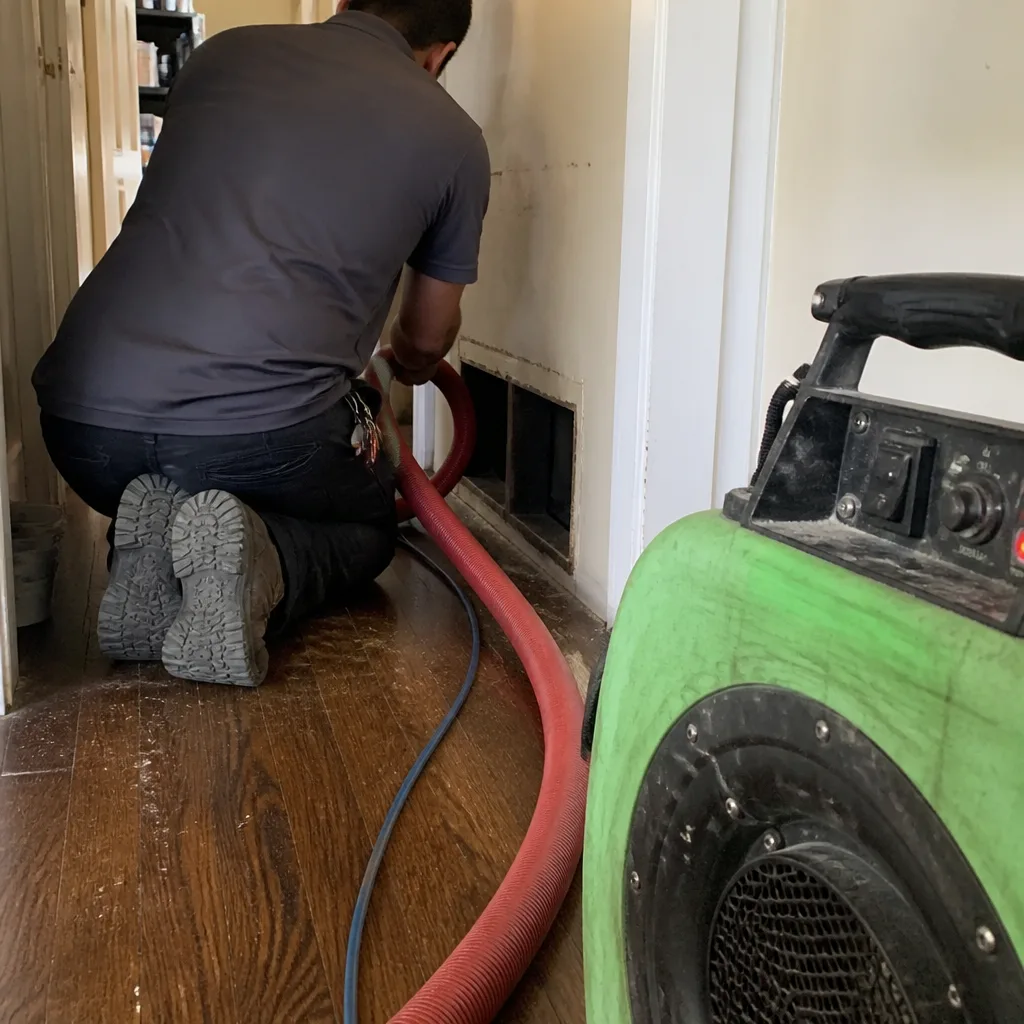 Before
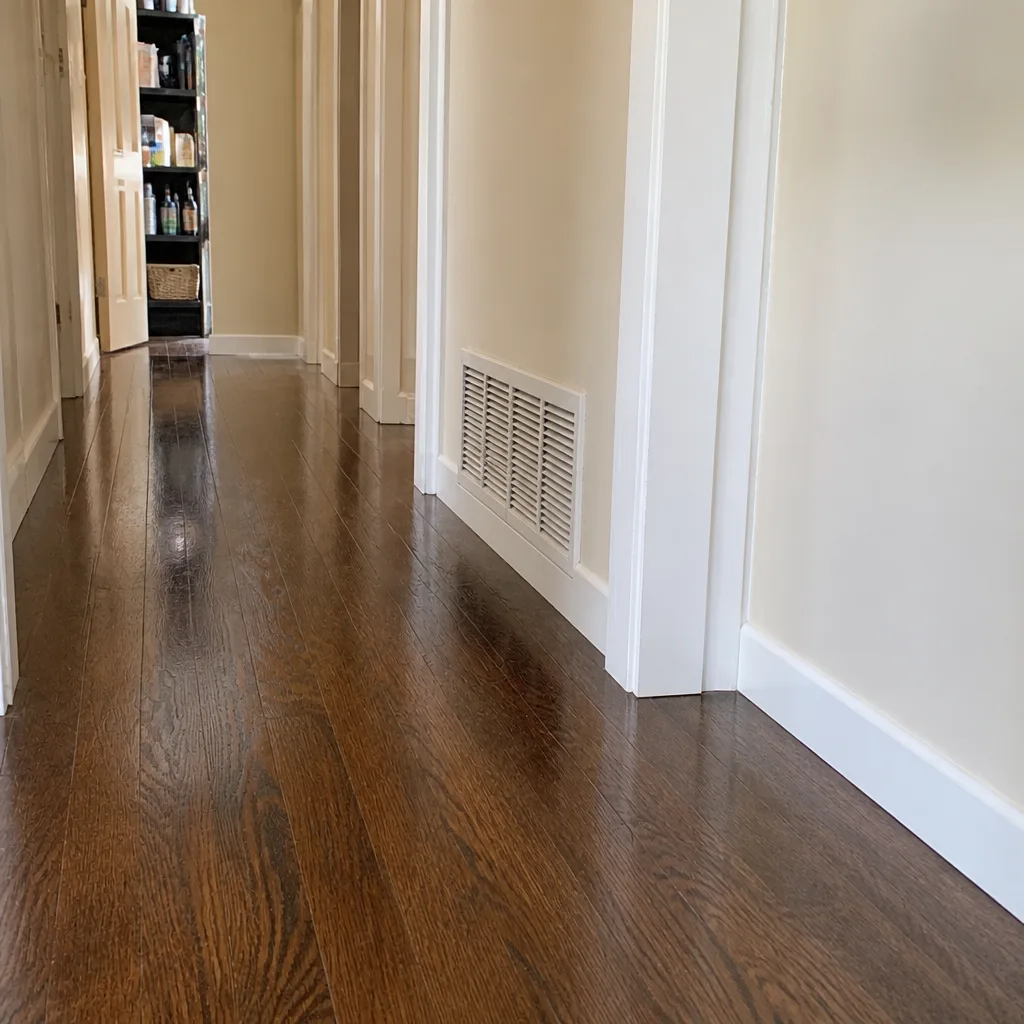 After
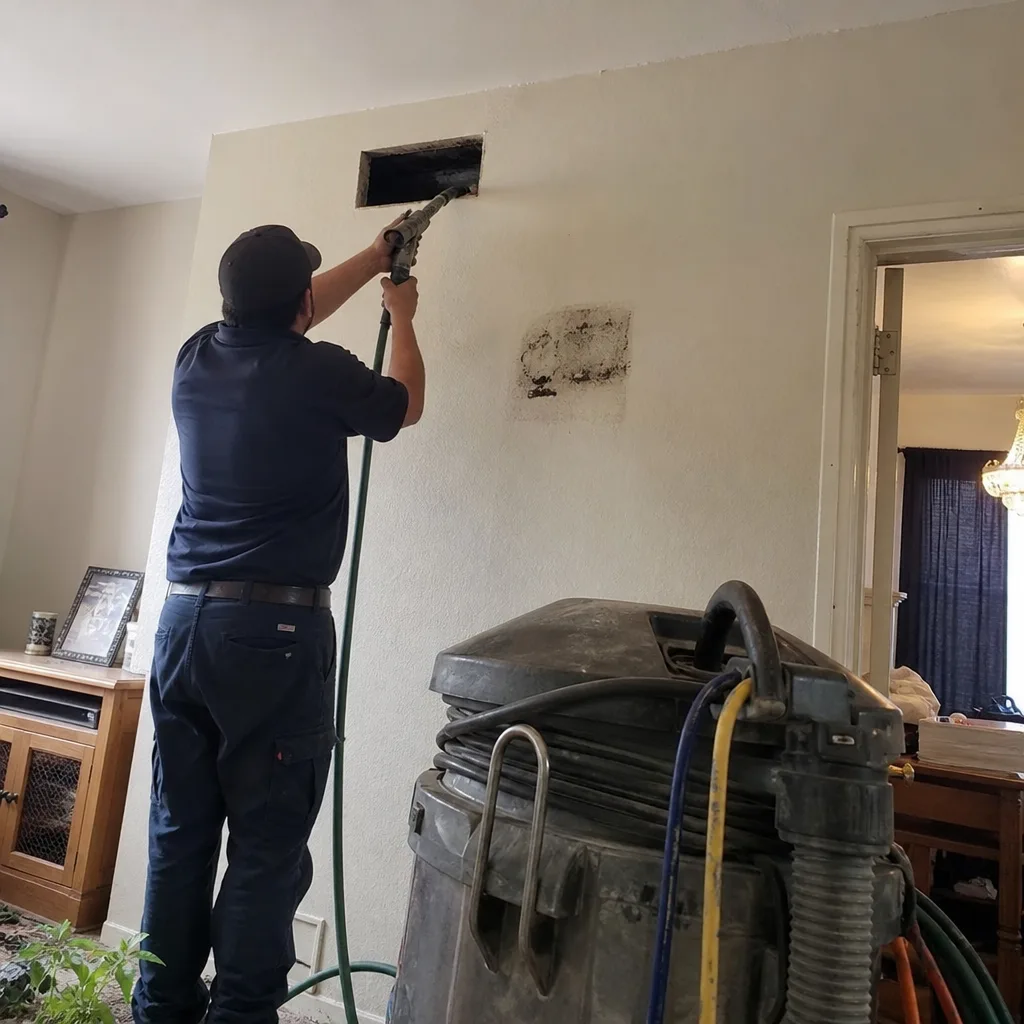 Before
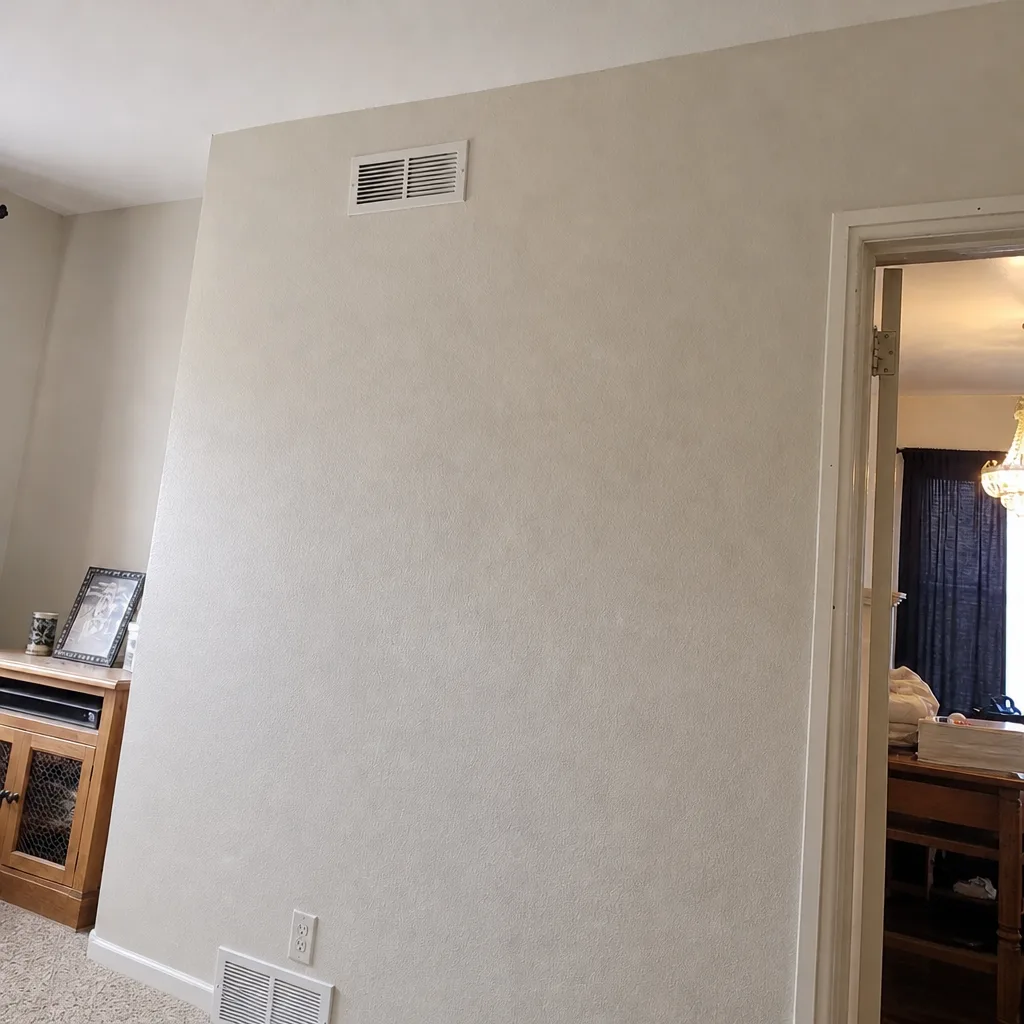 After
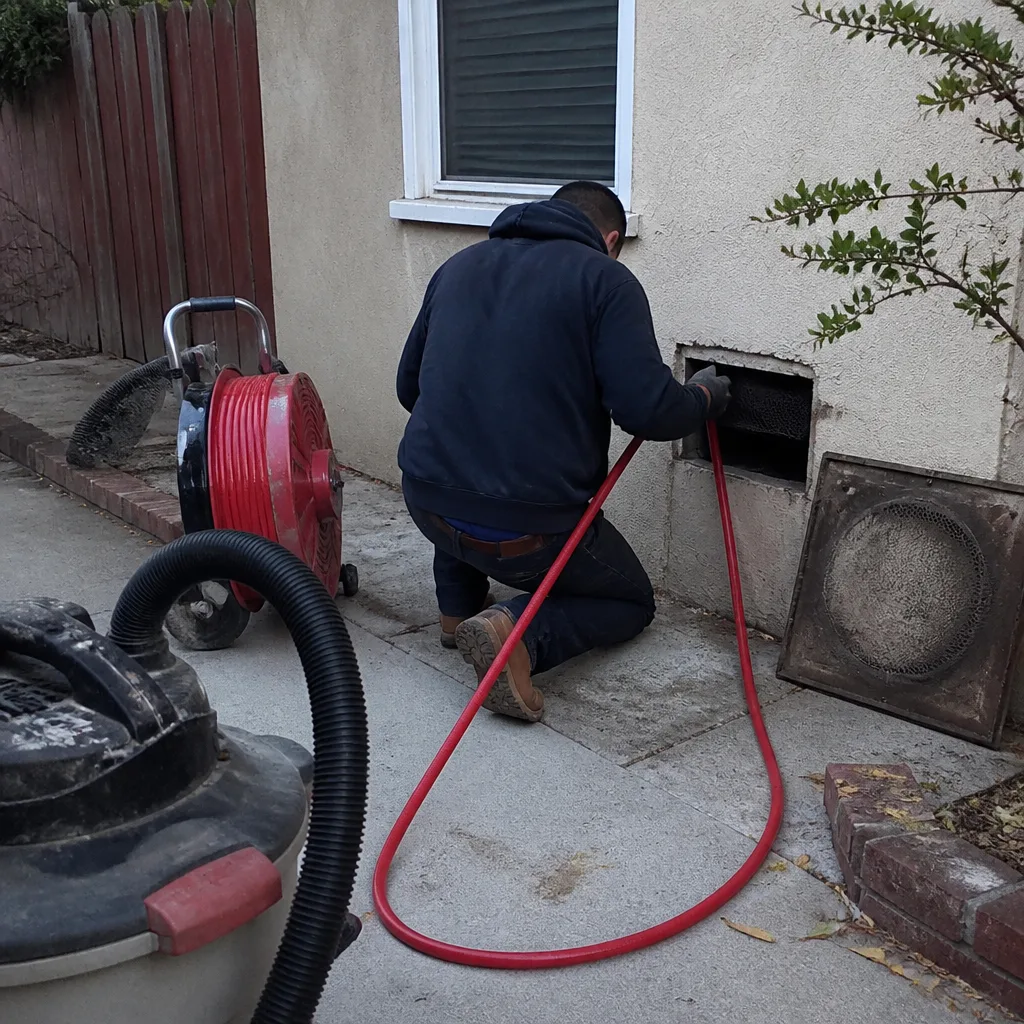 Before
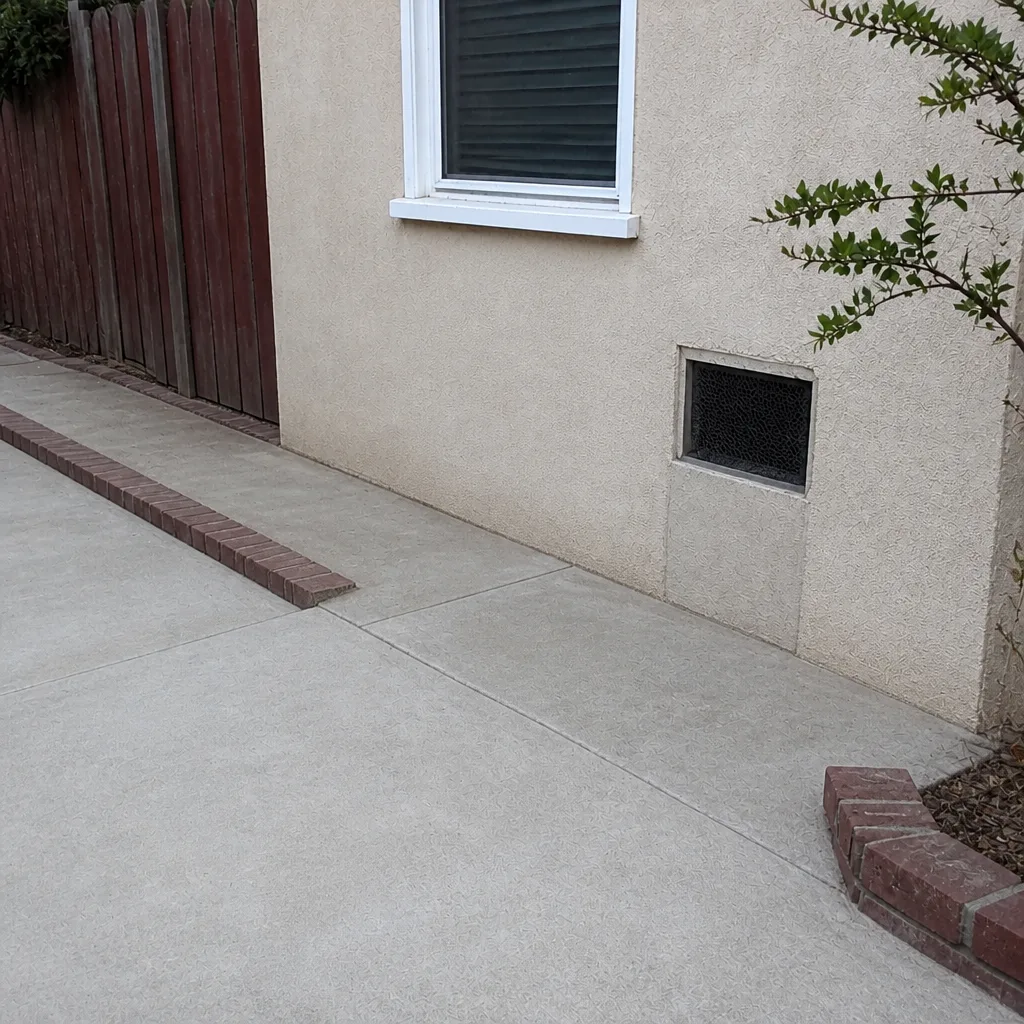 After
When to Call a Professional
Some signals mean the calendar no longer matters. Call for an inspection if you’ve had any of the following: a rodent sighting in the attic or near duct runs; visible dust streaks around return grilles that keep returning after cleaning; musty or smoky smells at the registers; reduced airflow across multiple rooms; a recent renovation or water intrusion; or a household member in a high-risk health category considering the Valley fever question. The EPA and the CDC both treat Coccidioides exposure as a medical question, so speak with a doctor about any household member’s specific risk. A technician can tell you what’s in the system and what cleaning will actually do; a medical professional can tell you what that means for your family. Duct Cleaning Stockton offers free estimates in Stockton, and we walk through findings in plain language before any work is agreed. Call (855) 263-2873. We answer 24/7. Fast dispatch from 7am to 7pm, Sunday through Friday.
Frequently Asked Questions
Most Stockton homes land between 2 and 4 years, with a shorter interval for older construction, homes near active agricultural fields, and households with immunocompromised members. The EPA’s 3 to 5 year average doesn’t account for the San Joaquin Valley’s dust season or the region’s Coccidioides fungal load. Build the interval from your filter cadence, home age, and recent events, not from a national average. Call (855) 263-2873 for an exact quote based on your system; estimates are free.
Pricing runs as one flat price per system, agreed before any work starts, and the written estimate sets the final price. Whole-system estimates are typical for the region, though we don’t quote by phone without knowing the system because the range depends on the layout and size. We don’t price per vent or per coupon, and the before-and-after photos of your own ducts are included. Call (855) 263-2873 for an exact quote; estimates are free.
A low teaser price is usually a partial-system job: registers only, no main trunk, no return lines, no mechanical agitation. What looks like a bargain on the phone becomes a larger invoice once a technician is standing in the driveway. Ask what equipment is used, whether containment and HEPA extraction are included, and whether you get before-and-after photos of your own ducts. One flat price per system, agreed up front, avoids the discovery question entirely. Call (855) 263-2873 to compare the actual scope before you book.
Before-and-after photos of your own ductwork, taken by the technician, are the standard. If a company can’t show you the inside of your ducts before and after, there’s no way to verify what happened. We use HEPA-contained cleaning and photograph the system on every job. Call (855) 263-2873 for a free estimate and to see the documentation standard.
No. A MERV 13 filter reduces the rate at which dust and fine particulate enter the ductwork, which stretches the interval between cleanings. It doesn’t remove dust already settled on duct walls, and it can’t clean a system that already has contamination from a prior renovation, rodent event, or smoke intrusion. High-MERV filtration and periodic duct cleaning do different jobs. Call (855) 263-2873 for an inspection and an exact quote.
Roughly every 12 to 18 months for most restaurants, daycares, and small office suites, regardless of residential rules. Occupant density, cooking exhaust migration, and longer daily HVAC runtime drive the shorter cycle. Keep before-and-after documentation on file for health department or property management review. Call (855) 263-2873 for a free estimate on a light-commercial property.
The Bottom Line
The right air duct cleaning schedule for a Stockton home is built from local inputs: agricultural dust season from May through September, home age, filter MERV rating and change cadence, and post-event triggers like smoke, rodents, or renovations. Two to four years is a realistic starting range for most homes; one to two years for homes with immunocompromised members or acute dust exposure. Filter changes are the anchor. Documentation between cleanings matters as much as the cleaning itself, because it gives the next technician a baseline instead of a guess. And the price you’re quoted should be one flat price per system, agreed before work starts, with before-and-after photos of your own ducts. That’s the standard we hold ourselves to.
We offer free estimates and can walk you through a real schedule for your home or property. Call (855) 263-2873. We answer 24/7. Fast dispatch from 7am to 7pm, Sunday through Friday. Our technicians have up to experience with the Rotobrush and Nikro equipment we use on every job, and we work with Honeywell and Aprilaire IAQ systems so the schedule you build holds up against the equipment you actually have.
Written by the team at Duct Cleaning Stockton.